When in Rome, do as Romans do—and that includes eating like one. Roman cuisine is an earthy, straightforward, and deeply satisfying culinary tradition, forged in the working-class kitchens of osterie, trattorie, and home cooks. It may not be as delicate as Piedmontese truffle dishes or as rich as bolognese tortellini, but it punches above its weight in flavor and authenticity. Simplicity is key: a handful of ingredients, high heat, and no shortcuts.
Whether you’re reading a menu in Trastevere, dining near Campo de’ Fiori, or trying to decode what’s inside a “pajata,” this guide will help you navigate Rome’s culinary treasures with confidence.

The Four horseman of Roman Food (yes, just four—but unforgettable)
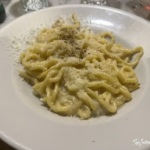
- Cacio e Pepe: Literally “cheese and pepper”: a minimalist miracle made with pecorino romano and coarsely ground black pepper, emulsified with pasta water until it becomes creamy without a drop of cream. The most traditional version of cacio e pepe is served with tonnarelli, a type of thick, square-cut spaghetti with a substantial bite. (My rating: 10/10).
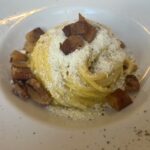
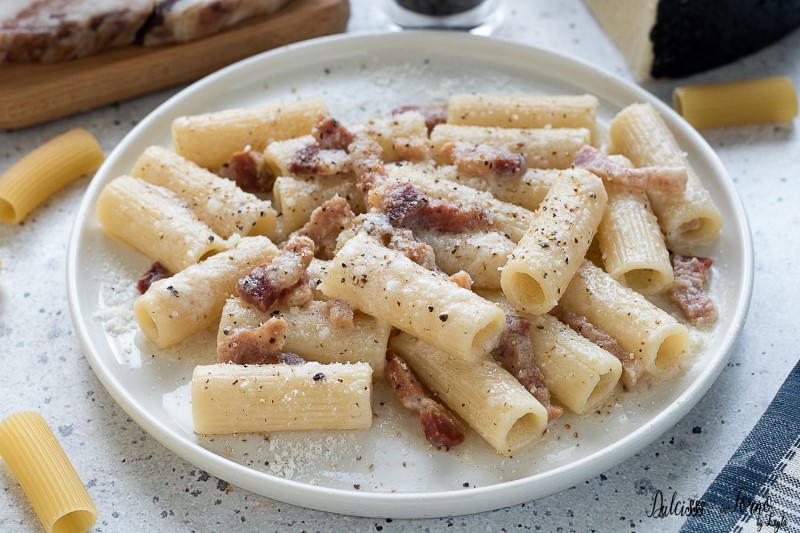
- Gricia: The lesser-known ancestor of carbonara. No egg here: just guanciale (cured pork cheek), pecorino, and black pepper. Rich, salty, and addictive. Gricia is typically served with various types of pasta, but I personally recommend rigatoni, a short pasta shape similar to the better-known macaroni. (My rating: 10/10).
- Carbonara: The most famous of them all—and the most butchered abroad. Authentic Roman carbonara uses egg yolks, pecorino romano, guanciale, and black pepper. No cream, no garlic, no parsley, for god’s sake… Carbonara is typically served with rigatoni or spaghetti—personally, I prefer the latter. (My rating: 9/10).
- Amatriciana: A tomato-based version of gricia, enhanced with the same guanciale and pecorino. Traditionally served with bucatini (thick spaghetti with a hole inside) and originating from Amatrice, just outside Lazio. (My rating: 7/10).
Secondi Piatti: Meat Dishes from the Roman Soul
- Abbacchio alla scottadito: Young lamb chops grilled and eaten with your fingers while still scalding hot (hence the name: “burn-your-fingers lamb”).
- Coda alla Vaccinara: A rich oxtail stew slowly simmered with tomato, celery, and cloves. Once a dish of the vaccinari (slaughterhouse workers), today it’s an ode to nose-to-tail cooking.
- Saltimbocca alla Romana: Veal cutlets topped with prosciutto and sage, then sautéed in white wine and butter. “Saltimbocca” means “jumps in your mouth”—and it lives up to the name. (My rating: 8/10).
- La Pajata: A controversial yet quintessential dish: the intestines of unweaned calves, cooked with tomato and rigatoni. Intensely flavorful, with a cult following among purists.

Side Dishes and Vegetables
- Carciofi alla Romana: Globe artichokes stuffed with mint, garlic, and breadcrumbs, then braised in olive oil and white wine. Tender and fragrant. (My rating: 8/10).
- Carciofi alla Giudia: Deep-fried artichokes in the Jewish-Roman style, crispy and golden like a blooming flower. Best when in season (spring or early winter). (My rating: 8/10).
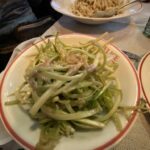
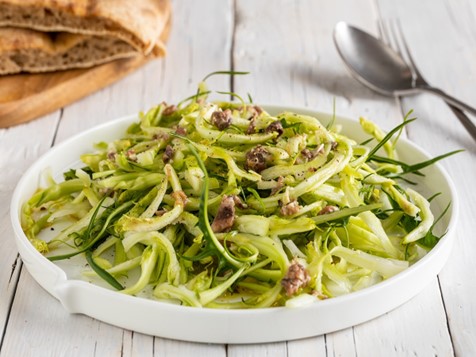
- Puntarelle in salsa di acciughe: A bitter chicory salad tossed with anchovy, garlic, and vinegar dressing. The crunchy texture and tangy flavor are uniquely Roman. (My rating: 10/10).
Pizza’s Rustic Cousin and Street Food Essentials
If one wanted to be excessively purist, there would be only one place in Italy (and in the world) where pizza should be eaten: Naples. In reality, nearly every Italian city boasts more than one spot where the pizza rivals true Neapolitan standards. Still, if you find yourself in Bologna, it hardly makes sense to give up the chance to enjoy tortellini or a cotoletta alla petroniana just to eat a pizza; it would be a bit like eating sushi in Texas, with no offense intended to the finest Texan sushi bars.
That said, Rome has developed its own tradition of reinventing dishes from other regions, including pizza and even Sicilian arancini.
- La Pinsa: A traditional Roman flatbread, lighter and crunchier than regular pizza, made with a blend of flours (wheat, rice, soy) and a long fermentation. Topped like pizza, but airier and more digestible. (My rating: 6/10).
- Supplì: A Roman cousin of Sicilian arancini: rice balls stuffed with ragù and mozzarella, then breaded and fried. Known as supplì al telefono because the melting cheese stretches like a phone cord when bitten. (My rating: 7/10).
- Trapizzino: A modern invention with traditional roots: a triangular pocket of pizza dough filled with Roman classics like pollo alla cacciatora or coda alla vaccinara.
Roman Desserts
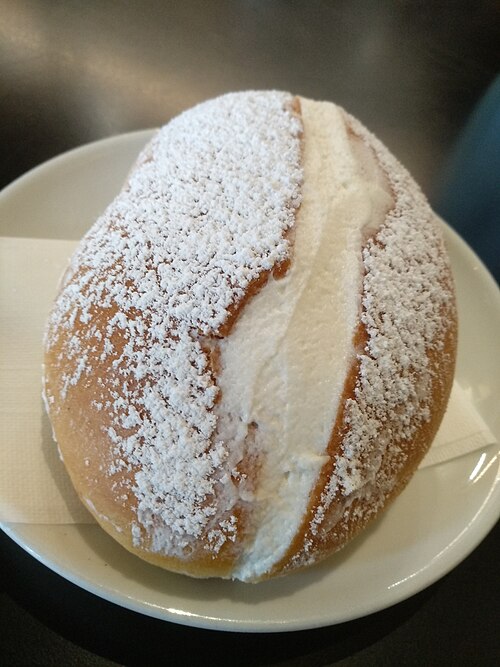
Maritozzo con la panna: A sweet bun split and filled generously with whipped cream. Traditionally eaten for breakfast, often with a coffee or cappuccino. (My rating: 9/10).
What to Drink
Wine is not exactly a Roman excellence. Wine has been produced in the region for centuries, but it has never quite reached the heights of, say, Tuscan or Piedmontese wines.
That said, staying true to the golden rule of eating local wherever you are in Italy—if only for philological reasons—it’s fair to assume that, when in Rome, you should accompany your meal with one of the so-called vini dei Castelli (the white wines from the Castelli Romani area). But if you choose to break that rule, rest assured—I won’t be the one to take offense.
- Vino dei Castelli Romani: The local white wines from Frascati, Marino, and Ariccia are crisp and easy to drink. Not world-renowned, but perfect with Roman fare.
- Romanella: A sweet, slightly sparkling red wine often served in working-class osterie.
Final Notes for the Curious Traveler
- Avoid cream or bacon in carbonara: if you see either on a menu, run.
- Try a trattoria in Testaccio, the historic neighborhood of butchers and offal dishes.
- Don’t be afraid of “fifth quarter” cuisine (quinto quarto): the Romans made high art out of low cuts.
- Ask if artichokes are in season before ordering. You’ll be glad you did.
If you fall in love with Roman food (and you will), try booking a table at traditional restaurants, like Armando Al Pantheon, where menus haven’t changed in decades, and neither has the passion for doing things the old way. Some roman restaurants reviewed on this blog are:
If you are planning a trip to Rome you may be interested in these posts and these offers from Tiqets.