Last visit: February 2026
My rating: 10/10
Price range: €€€ / €€€€€
Website: https://www.osterialaquercia.com/
Email: info@osterialaquercia.com
Phone: +39 06 68300932
Address: Piazza della Quercia 23, Rome
Eating well in central Rome is, as everyone knows, a rather difficult undertaking, especially if you are looking for a place that takes traditional Roman cuisine seriously. For quite some time now, that old harlot of the Caput Mundi has shamelessly surrendered to mass tourism, and everywhere you turn there are dismal tourist traps flaunting photos of “spaghetti bolognese” at the entrance, with an overzealous host ready to ambush you the moment you enter his field of vision.
Until now (spoiler: until recently…), this blog had only one entry under “true excellence in Roman cuisine”: Felice al Testaccio.
But a new protagonist now enters the dramatis personae: Osteria La Quercia, a place where tradition is not merely executed, but interpreted in a way that is both contemporary and striking, reaching a level of quality that most trattorias do not even come close to.
A Roman menu, but thoughtfully designed
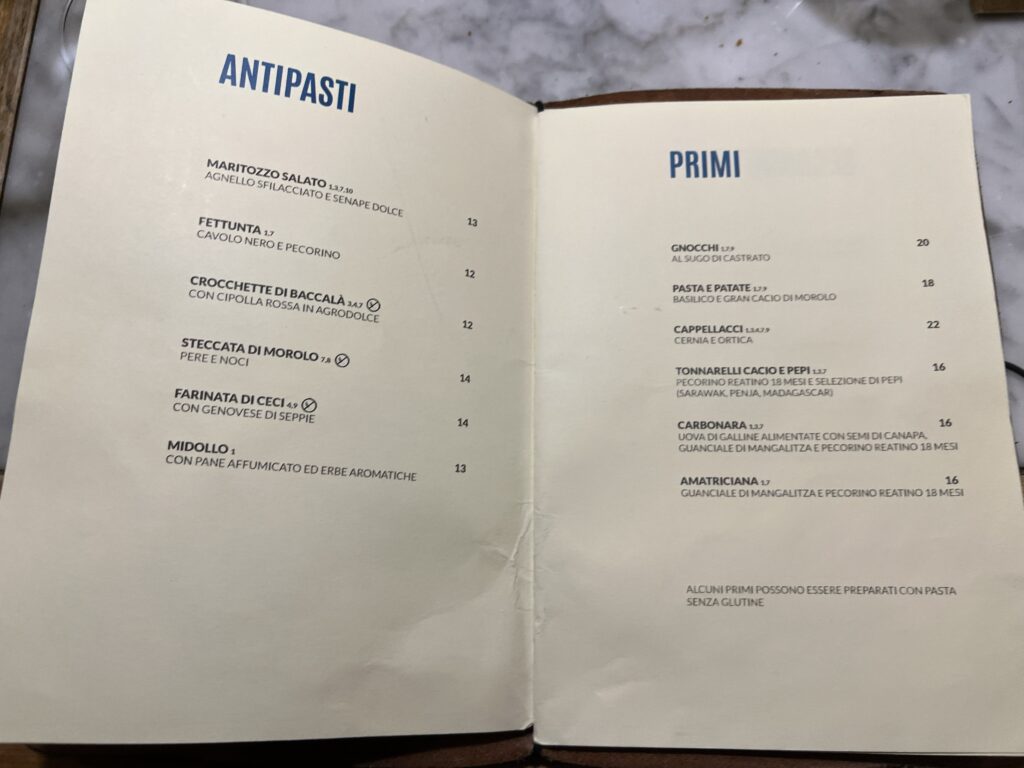
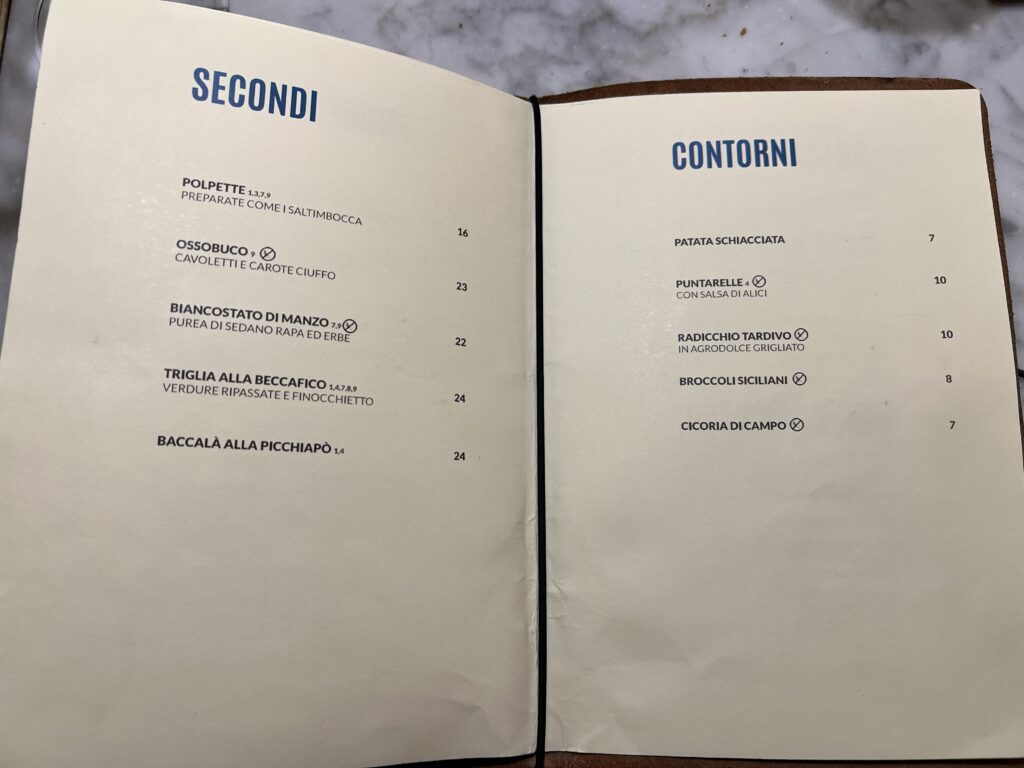
The menu follows the canonical structure—starters, pasta, mains, and sides—but one detail immediately stands out: the number of dishes is limited. I have always been suspicious of restaurants offering dozens of options; it is simply impossible to execute everything well. Here, however, a quick glance at the concise menu is enough to inspire confidence.
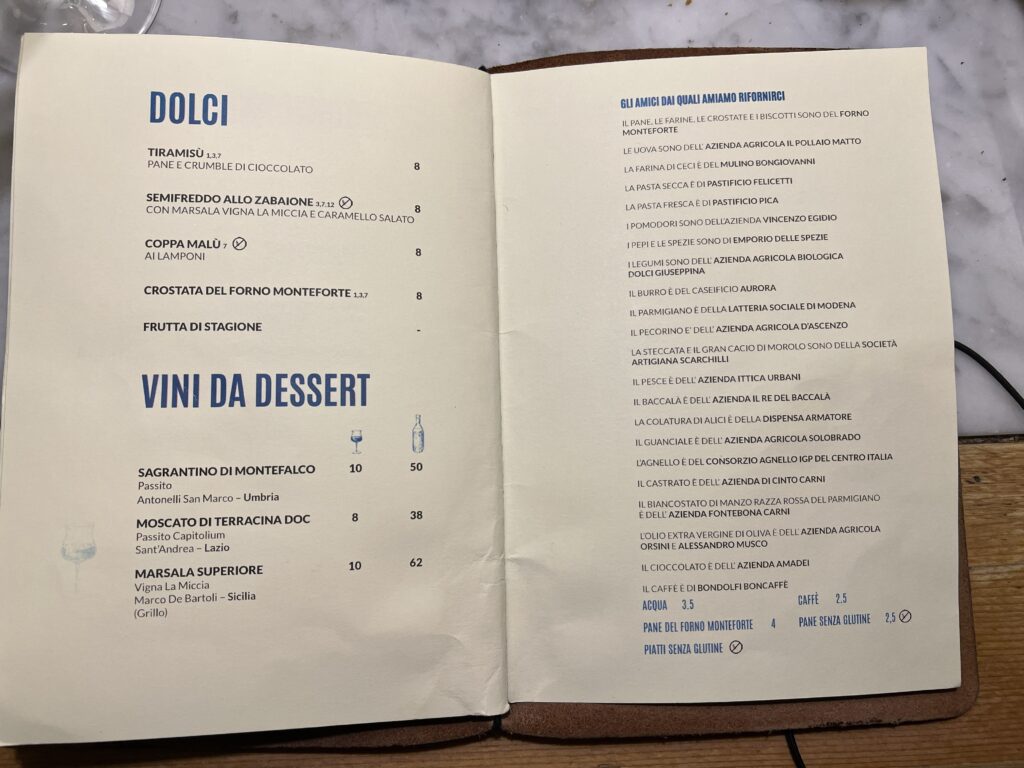
The ingredients are presented with almost didactic transparency: carefully selected suppliers, clearly defined sourcing, names that are not there for show but to reflect deliberate choices.
This is the difference between those who buy and those who select.
While waiting, the bread basket arrives. It is not extraordinary, but to find something better I would have had to dine in truly high-end establishments. Here, there is a pleasant variety of fresh products, grissini, and two types of bread, all excellent; yet another detail that signals a restaurant operating at a higher level.
Starters: tradition with no compromises
The meal begins with the starters, and what follows is a vertiginous ride through the rollercoaster of Roman tradition, revisited according to contemporary gastronomic standards.
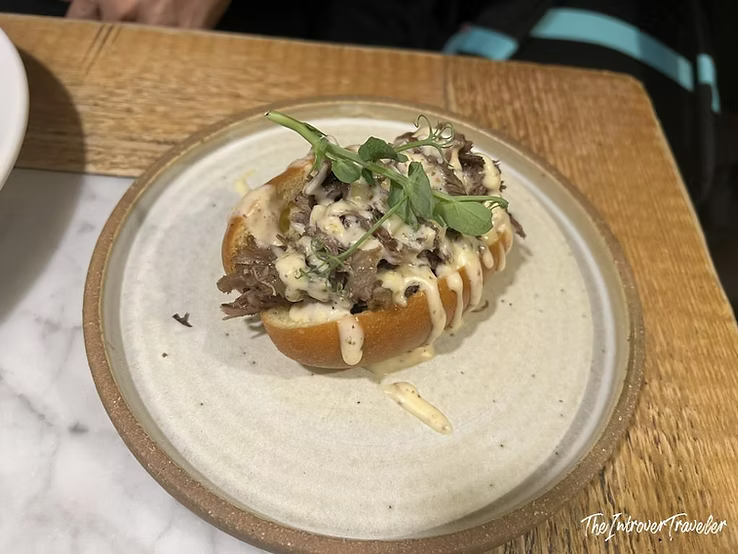
The savory maritozzo with shredded lamb and sweet mustard is a small manifesto: a Roman idea reinterpreted without losing its identity. The bread is soft yet structured, the filling succulent, the mustard does not dominate but accompanies. The triumph, however, lies in the pairing: the lamb is of outstanding quality, aromatic and juicy, and nothing could be more fitting for it than to surrender itself to that mustard sauce which, the moment it meets your palate, seems to seize your diaphragm and force a low murmur of pleasure out of you. And since the people at Osteria La Quercia are delightfully ruthless, they serve it all inside a maritozzo, because they want you to beg for another one almost immediately, on your knees, like a defeated gladiator in the arena. A serious note: perhaps a slightly more pronounced kick of mustard would not have hurt, but now we are splitting hairs.
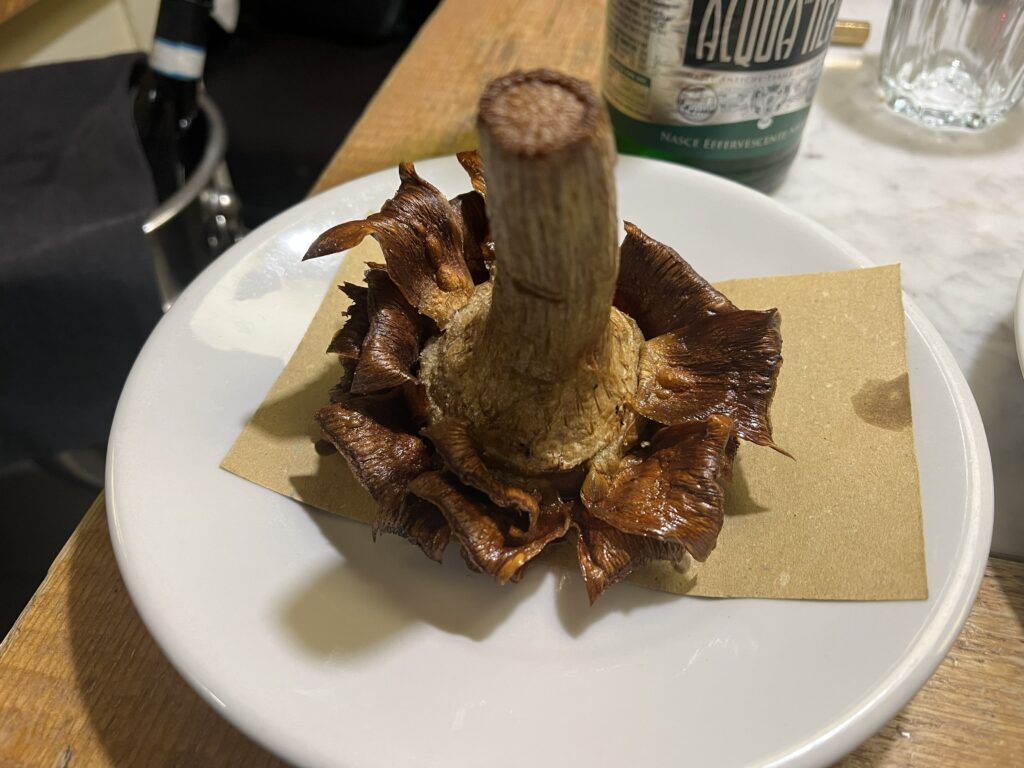
The carciofo alla giudia (Jewish-style artichoke) is exactly what it should be, and almost never is: fresh, high-quality produce that, quite simply, tastes unmistakably of artichoke. The frying is impeccable, dry, with no trace of excess oil. The leaves open like a metallic rose, the heart tender. The seasoning is precise, leaving just enough salinity on the lips without overshadowing the vegetable’s natural flavor. Rating: 8.
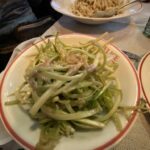
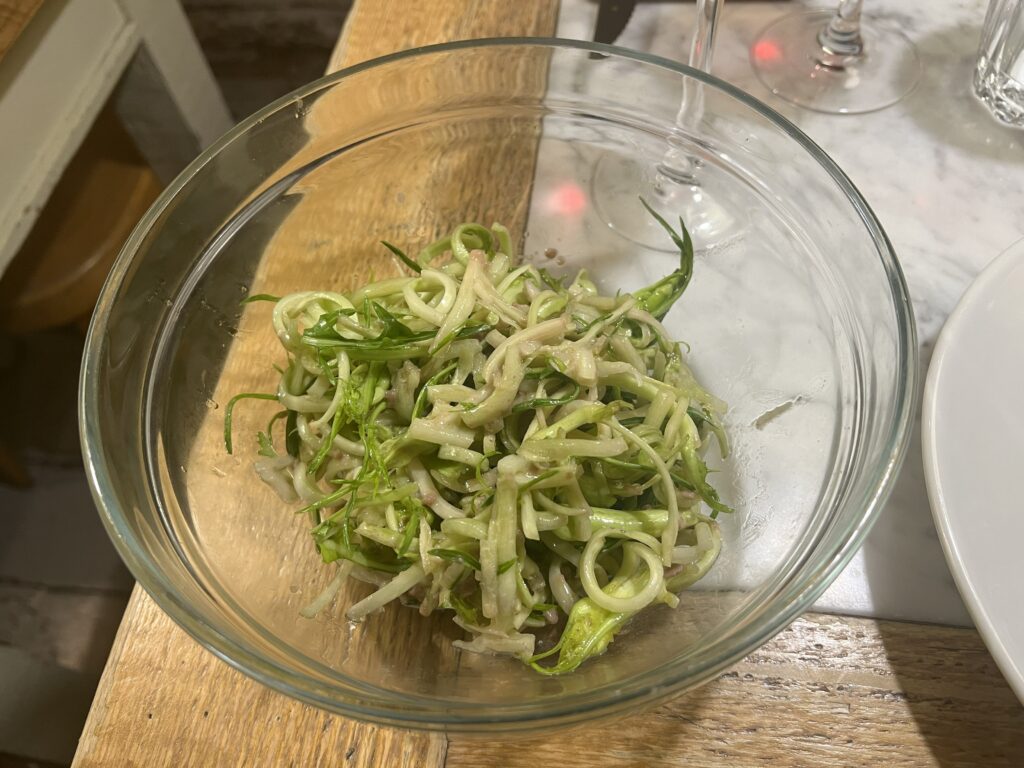
The puntarelle with anchovies maintain the high standard: fresh, crisp, with their unmistakable bitter edge. Here, however, I must raise a small objection. Granted, the place is rather charming, and many will come here with a date hoping to impress and perhaps secure a suitably promising continuation of the evening; but puntarelle require garlic. Enough with this kind of culinary political correctness.
The point of no return: tonnarelli cacio e pepI
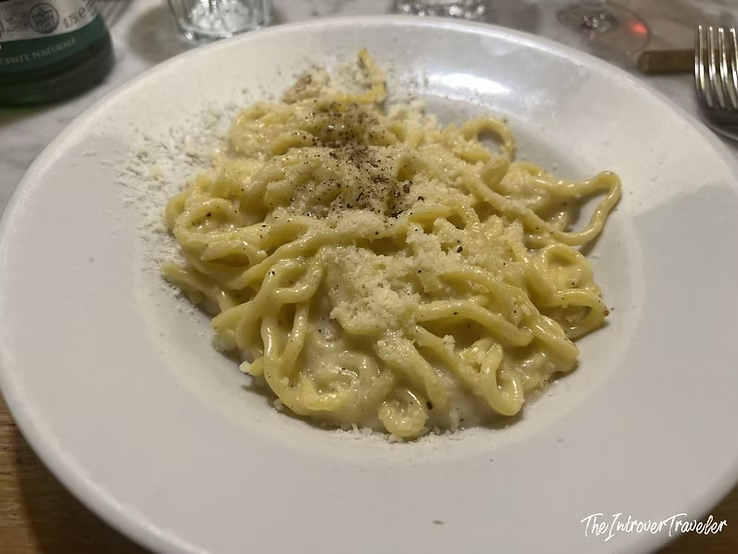
And then they arrive. The tonnarelli cacio e pepI. PepI, with capital I, because here they don’t throw some sad dust of pepper like in half of Rome (and yes, even in Michelin places, don’t be naïve); no, here they use a selection of pepperS, plural.
At first, I was suspicious. It smelled like one of those cheap post-2000 marketing tricks, the kind of place that seduces you with diminutives: Cantabrian anchoviettas, Bronte pistachiettas, deconstructed-whatever nonsense.
And instead… here I must become Roman. I must call Trilussa, Giuseppe Gioacchino Belli, Carlo Emilio Gadda, Gigi Proietti. Because these tonnarelli cannot be explained in proper English (what follows is an attempt to render in English a review originally conceived in Roman dialect).
These tonnarelli cacio e pepe of La Quercia, they not “very good”, capito? They different category, like miracle, like taxes you don’t understand but you pay anyway.
They not “among the best in Rome”. No. They out of competition. Like Colosseum competing with a bench, makes no sense.
They are the parameter. You eat this, all the rest becomes theory. Philosophy when you hungry.
This pasta, she judge you. You enter as customer, you exit as defendant for all the cacio e pepe you forgave in your life.
The pepper, it doesn’t attack. It think. The pecorino, it doesn’t cover. It explain. And you nod like idiot in conference you finally understand.
They democratic: even the guy who say “I make better at home”… he go home, and change home.
If God make first course, he not cook. He book here.
This is dish that take away your words. In Rome, this is criminal offense.
After this, every other cacio e pepe is like dubbed movie after original version. Everything seems correct… but you don’t trust anymore.
In conclusion: this is not cooking. This is jurisprudence. And these people wrote the code.
The pasta itself is of rare quality: rough, elastic, alive. The cooking is controlled with obsessive precision, that infinitesimal margin between resistance and surrender that separates the professional from the amateur.
The sauce is a perfect emulsion. Not heavy, not broken. A fragile balance held together by technique and sensitivity: pecorino that embraces without suffocating, and these damn pepI—real pepI, plural, with personality—so that you actually perceive different aromatic layers while you hesitate, wondering whether to dive face-first into the plate like an animal, or to behave like a civilized human being and wait, letting the palate fully saturate before the next bite.
Here they are. The tonnarelli of God.
Main courses and sides: solidity without weak points
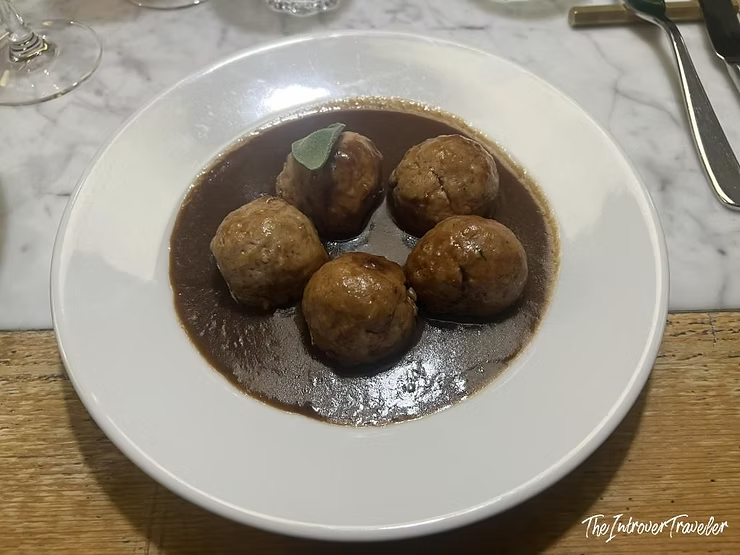
The meatballs are the least memorable dish of the evening, but a clarification is in order: “least memorable” here still means fully accomplished. Soft, well-bound, flavorful. They simply do not reach the heights of the pasta courses.
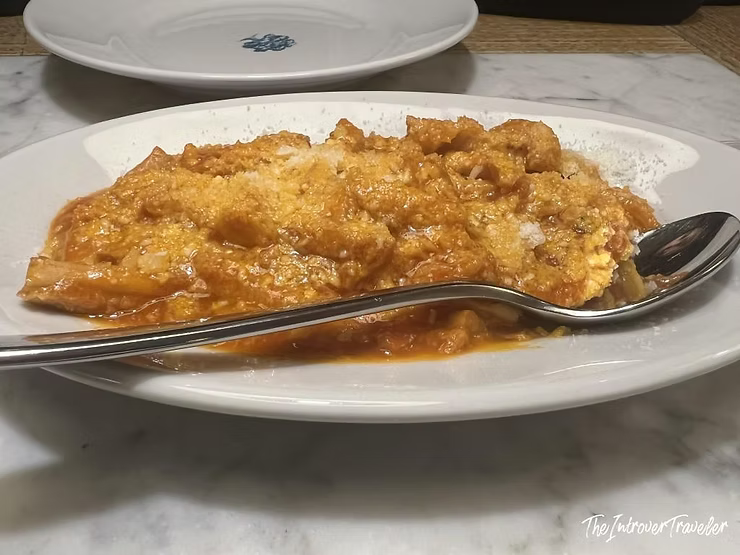
The Roman-style tripe, on the other hand, immediately brings the level back up: rich, deep, and creamy, creamy, creamy, oh so creamy. This is not a dish that asks to be reinvented; it only demands to be executed properly. Here, it is. Very properly.
Desserts: finishing without falling apart
Tiramisù is the object of a recurring bias of mine. I tend to order it almost everywhere, thinking, “how hard can it be to make a good tiramisù?”—and I am, almost invariably, disappointed. I have done this, I swear, even in Istanbul; my wife was on the verge of calling for medical intervention.
So in Rome, my reasoning was: “surely, in Rome they must know how to make a proper tiramisù”—because stubbornness is one thing, but it does have its limits. Then I hesitated. Everything else had been so good that I began to wonder: what if…
My skepticism returned when the waitress said, “we make our tiramisù differently—we use bread instead of ladyfingers.” At that point, my internal pretentiousness detector started flashing.
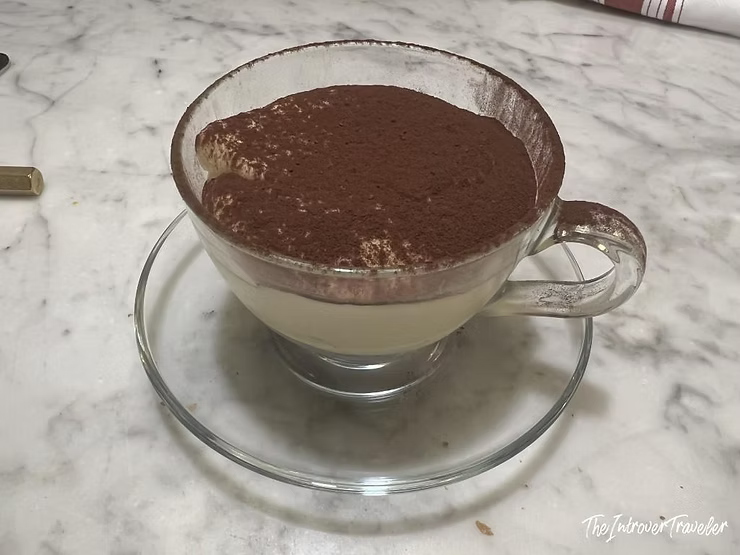
And yet, when it arrived, it was exactly what a tiramisù should be—if anything, better. Creamy, balanced, free from unnecessary sweetness, yet indulgent, deeply indulgent. The cocoa is present and assertive, the mascarpone takes the lead, the coffee provides structure.
And, frankly, the use of bread instead of ladyfingers works remarkably well: it adds a subtle crunch, not unlike the difference between a Roman pinsa and a traditional high-rimmed pizza.
Atmosphere and service
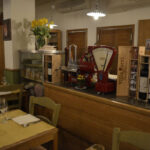
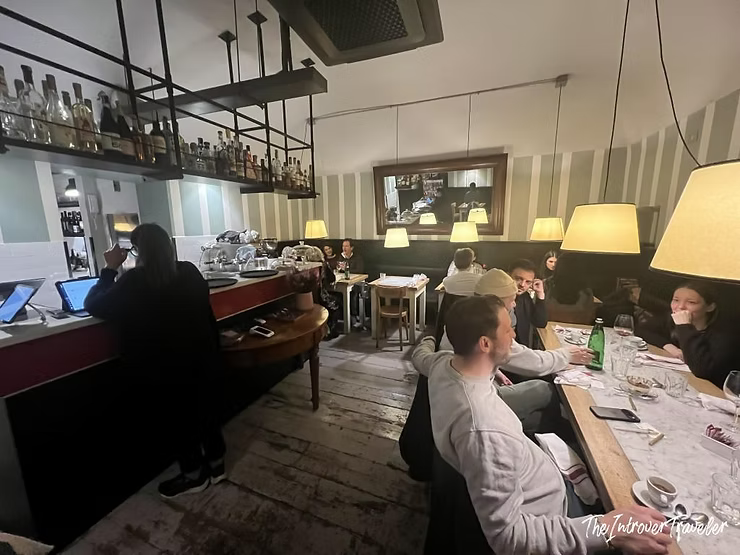
The setting is that of a well-executed contemporary osteria: slightly chic, yet warm and inviting. Tables are close but not cramped, the noise level remains under control, and there is that subtle human density that reminds you that you are, after all, in Rome.
As for the service, I hesitate to sound repetitive, but it was outstanding. The two waitresses who took care of us were friendly, proactive, attentive, quick yet always smiling, which, in the end, is all I really ask from a restaurant. Considering that, were I to wait tables myself, I would probably be in a constant state of irritation, there is nothing that completes a memorable meal quite like being served by someone who genuinely tries to accommodate you with a smile. And this is far from a given, least of all in Rome.
Osteria La Quercia Rome — Conclusion
Dining at Osteria La Quercia felt like drafting a fantasy football team blindfolded… and ending up with an all-Francesco Totti lineup. And yes, it is one of the best restaurants in Rome.
If you are planning a trip to Rome, you may be interested in these posts.
I also suggest reading my guide to roman cuisine.