For centuries, Bologna has undoubtedly been one of the capitals of Italian cuisine. Among the city’s long-standing nicknames is “La Grassa” (The Fat One), which suggests both its historical economic prosperity and its deep-rooted inclination towards good living and fine food. Bologna is the birthplace of mortadella (known worldwide as “Bologna”), lasagna, and tortellini, to name just a few of its most famous culinary products. The connection between tortellini and the city is so strong that Bologna is often associated with the “three T’s”: Torri (towers), Tortellini, and… Tette (tits).
When it comes to tortellini, one steps into sacred territory within Emilian cuisine. This small, unmistakably shaped stuffed pasta is a gastronomic icon that has made Bologna famous worldwide. However, its origins are the subject of a long-standing dispute between Bologna and Modena—two cities that proudly claim their own traditional version of the recipe.
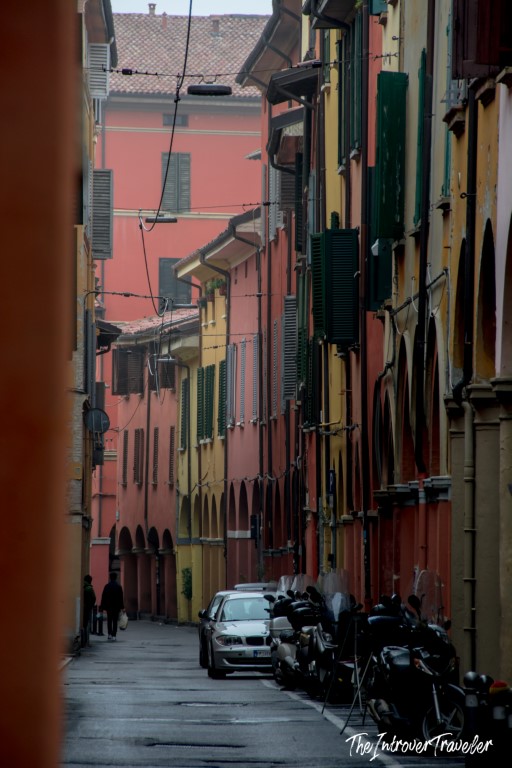
Over the past 20 years, Bologna has increasingly carved out a role as a sort of Disneyland of culinary arts, tying its name more and more to the restaurant industry. However, this new direction is not necessarily a positive one. Historically, food has always been an integral part of the city’s cultural identity—Bologna was once off the beaten path of mass tourism and distinguished itself primarily as a center of cultural production. Today, however, this tradition has taken a turn towards consumerism and a lower cultural profile, surrendering to overtourism and, for the most part, to commercial dining. The historic center has been overtaken by restaurants catering to mass tourism, pushing out both variety in the local food scene and many historic shops.
Nevertheless, visitors to Bologna will not only discover a charming city with a rich history and an ideal location as a transportation hub connecting major Italian destinations, but they will also find an extensive array of food options—including, of course, the beloved tortellini.
The Origins of Tortellini
The origins of tortellini are shrouded in legend. One of the most fascinating stories claims that the inspiration for their shape came from observing the navel of a noblewoman. According to the tale, an innkeeper (possibly from Castelfranco Emilia?), enchanted by the beauty of a marquise, sought to recreate the perfect curve of her navel in pasta—thus giving birth to the first tortellino.
From a historical perspective, tortellini were already mentioned in 1570 in Opera, a monumental cookbook written by Bartolomeo Scappi, the personal chef of the popes. This book, a great success in 16th-century Europe, describes a recipe remarkably similar to today’s version. However, stuffed pasta had been prepared as early as the Middle Ages, especially in noble kitchens, where elaborate dishes were crafted to enrich banquets. The terms tortelli or tortelletti appear in various medieval records. In 1887, Olindo Guerrini gifted Giosuè Carducci a study on a 14th-century manuscript preserved in the University Library of Bologna, which included a recipe for tortelli in brodetto (tortelli in broth). However, this earlier version was quite different, featuring ingredients like dates and raisins.
The debate among local historians continues, but for our purposes, it is reasonable to say that tortellini, in a form very close to the one we know today, were already widespread in Bologna by the 1500s.
Bologna vs. Modena: A Centuries-Old Rivalry
The dispute between Bologna and Modena over the origins of tortellini is as heated as it is intriguing. Bologna claims that the recipe was born within its walls and that the city is the rightful guardian of the tradition. Modena, on the other hand, argues that tortellini have a historical link to Castelfranco Emilia—a town located between the two cities, which belonged to the province of Bologna until 1929 but is now part of Modena’s territory.
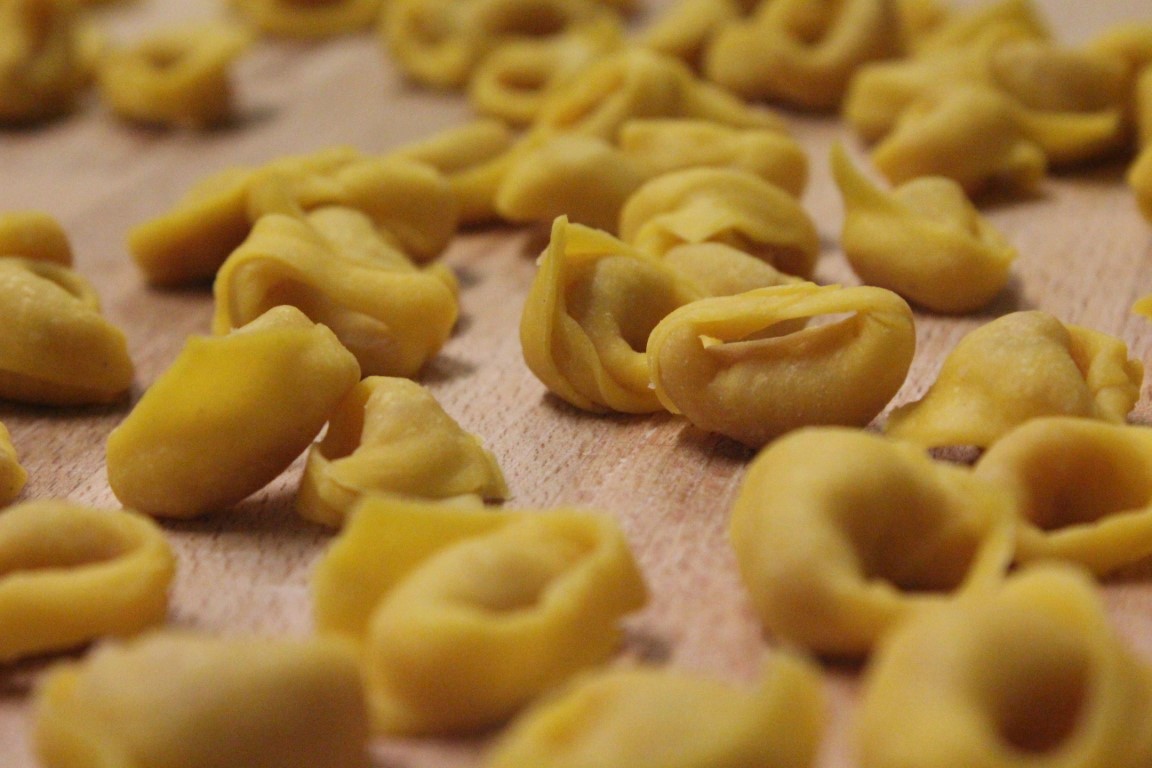
To settle the matter, in 1974, the Confraternita del Tortellino (Brotherhood of the Tortellino) and the Accademia Italiana della Cucina (Italian Academy of Cuisine) officially registered the recipe for Bolognese tortellini with the Bologna Chamber of Commerce. According to this official version, the filling must consist of a carefully balanced mix of pork loin, prosciutto, mortadella, Parmigiano Reggiano, egg, and nutmeg. The outer pasta is made of flour and eggs, rolled thin, cut into small squares, and folded around a finger to create the signature shape.
How to Properly Enjoy Authentic Bolognese Tortellini
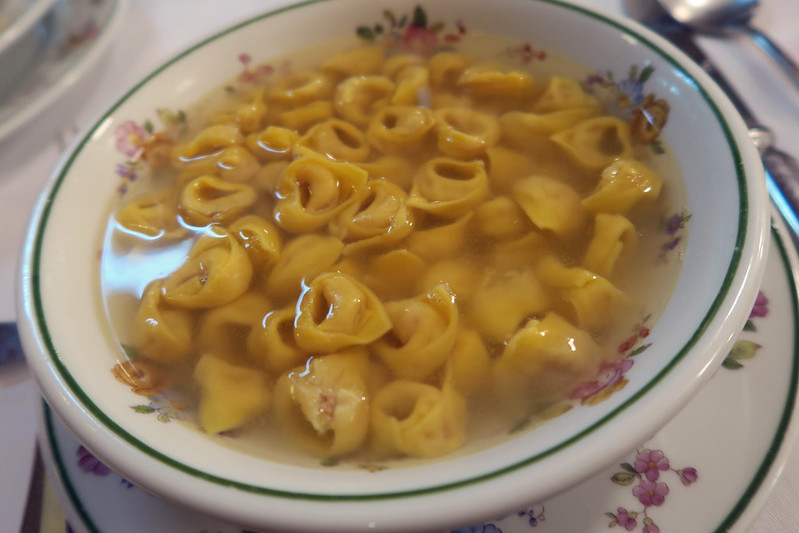
Tradition dictates that tortellini should be served strictly in brodo di cappone (capon broth) or beef broth. This choice enhances the delicate flavors of the filling, making the dish particularly rich and comforting. Every Bolognese family has its own recipe for the broth and its own preferred way of preparing tortellini—some prefer them large, almost the size of a golf ball (a preference more aligned with Modenese tradition), while others insist they should be tiny, no bigger than a fingernail. There are also debates over how long they should be cooked: some serve them almost stewed, while others barely scald them in the broth, leaving them slightly firm. These differences have been discussed for decades, and no definitive verdict will ever be reached.
While there are versions served with cream or other sauces, purists consider broth the only truly authentic way to enjoy tortellini. Among these purists, there are even stricter “fundamentalists” who reject the idea of adding even a sprinkle of grated Parmigiano Reggiano, arguing that it contaminates the perfect balance of flavors—while others accept this addition as an enhancement.
For those not born under Bologna’s Due Torri (Two Towers), and who find themselves consulting this guide, it is perfectly acceptable to follow one’s own taste preferences rather than bowing to the rigid standards of local traditionalists.
Where to Eat Tortellini in Bologna: A Selection of Restaurants
If you want to taste the best tortellini in Bologna, here are some restaurants and trattorias where you can enjoy an excellent dish of this Bolognese specialty:
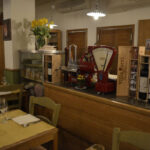
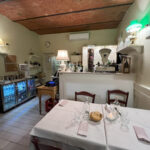
Osteria Bottega – My rating: 10 – Perfect for those seeking a truly authentic Bolognese gastronomic experience, with high-quality ingredients and artisanal preparation. Unmatched.
Where to Buy Tortellini in Bologna
If you have a great broth and the skills to cook tortellini at home, Bologna is, unsurprisingly, full of delicatessens and pasta shops that sell fresh tortellini—often at a premium price. Here are some of the best places where you can buy top-quality tortellini:
Pastificio Simoni – A bit off the beaten path from the historic center, but one of the go-to spots for the locals to stock up. No need to explain why—the quality is simply outstanding.
Conclusion
Bolognese tortellini are not just a dish—they are a symbol of culture, tradition, and culinary passion. Their history, long disputed between Bologna and Modena, only adds to their charm and significance in Italian gastronomy. If you visit Bologna, treat yourself to the luxury of tasting them in one of the city’s historic trattorias—it will be an authentic and unforgettable experience.