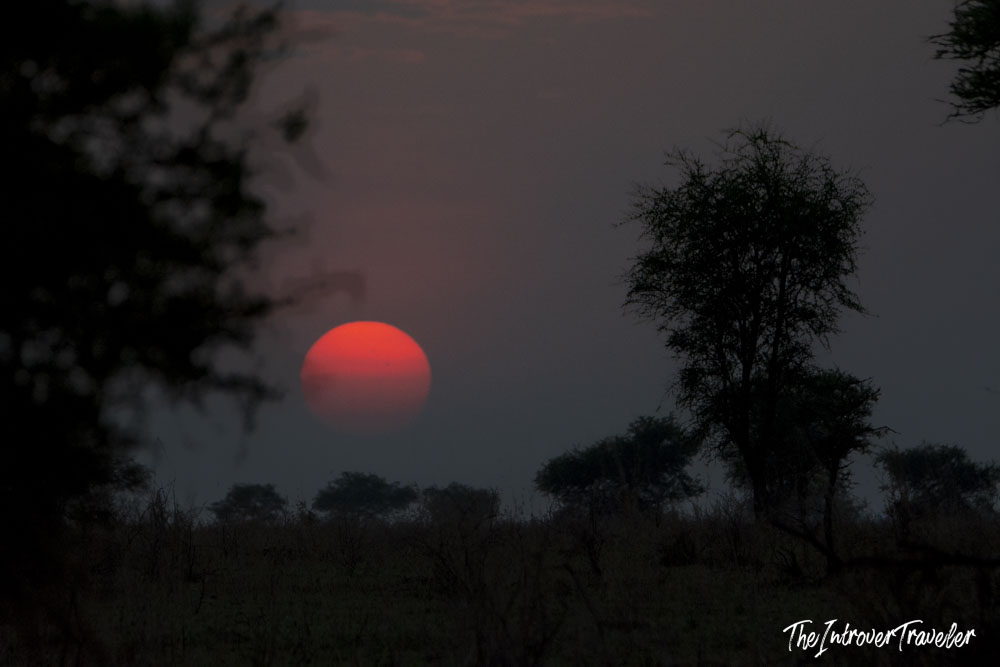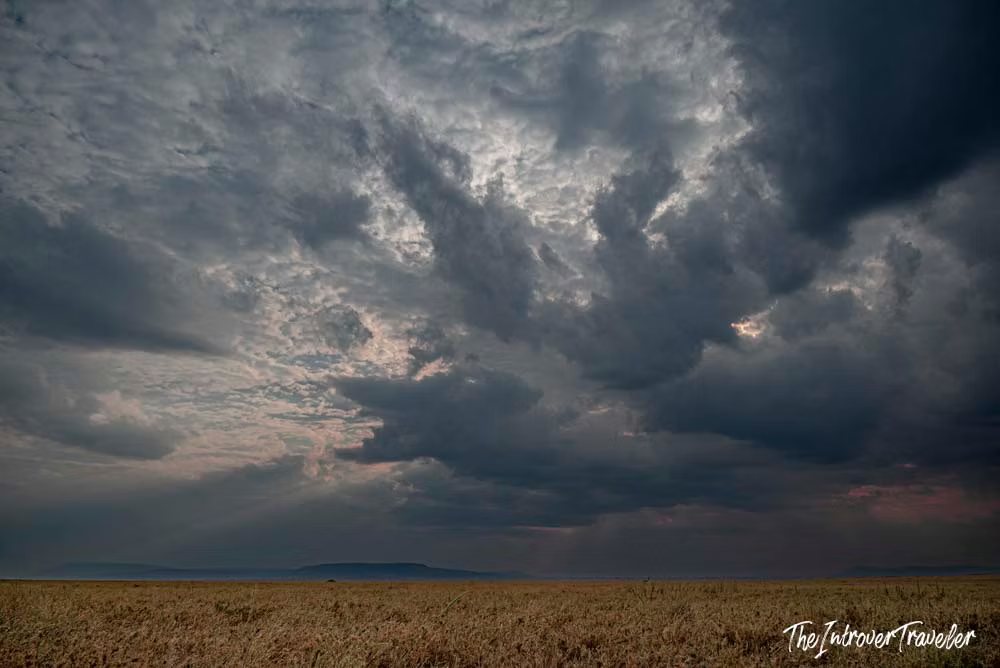
Last visit: August 2024
My rating: 8/10
Required time: I suggest a minimum of 3, better 4 days (read further)
Serengeti National Park, in Tanzania, is one of the most famous natural landscapes on the planet and probably the best preserved savanna ecosystem existing today. Located in northern Tanzania and bordering the Masai Mara in Kenya (which is essentially nothing more than the continuation of the Serengeti beyond the border between Tanzania and Kenya) the park covers about 14,750 km² (roughly the size of Connecticut, or Lazio, or Flanders, to be explored along long stretches of dirt roads) of plains, rolling hills and wooded savannas. In reality, the Serengeti is not just a national park but the core of a much larger ecological system that includes several protected areas: the Ngorongoro Conservation Area, the Grumeti Reserve, the Maswa Game Reserve, and the Masai Mara. Taken together, this system forms one of the largest relatively intact terrestrial ecosystems remaining in the world.
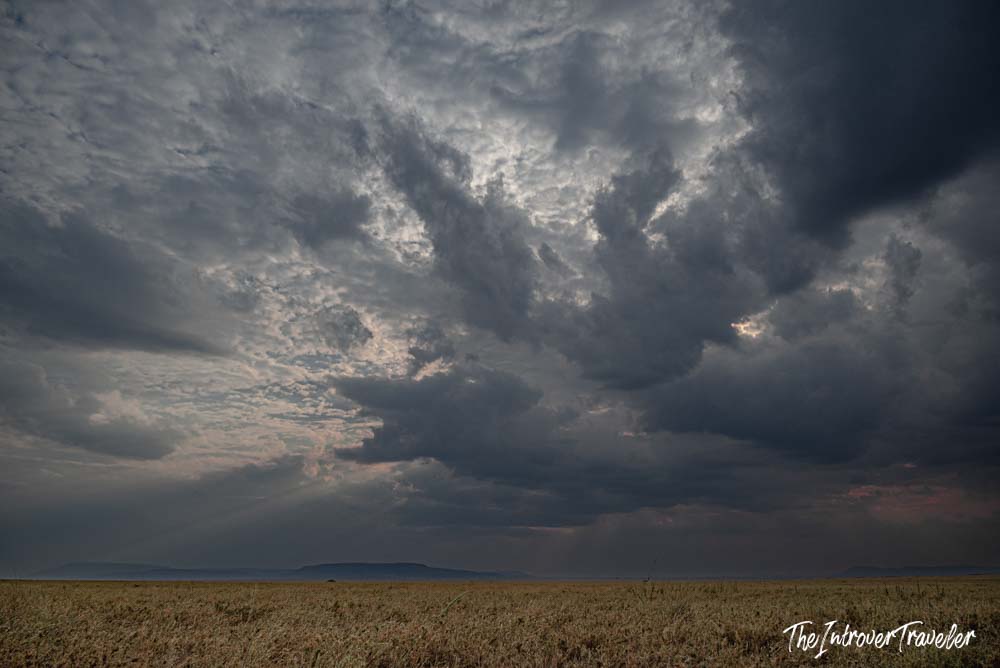
The name “Serengeti” comes from the Maasai language and roughly means “endless plain,” a surprisingly accurate definition if one observes the undulating horizon of the vast grasslands that dominate much of the park. Across these seemingly simple landscapes unfolds one of the most spectacular biological phenomena on Earth: the Great Migration, the annual movement of millions of herbivores that travel cyclically across the ecosystem following the rhythm of the rains.
This Serengeti guide is part of my complete travel guide to Tanzania.
The Serengeti National Park Ecosystem
From an ecological perspective, the Serengeti is an almost perfect example of a tropical savanna ecosystem. Its structure depends mainly on three factors: the rainfall regime, the nature of the soil, and the pressure exerted by large herbivores.
The park lies in a region characterized by seasonal rainfall, with two main rainy periods: the short rains between October and December and the long rains between March and May. This seasonal rhythm determines the growth of grasses and, consequently, the movements of the great herds.
Soil composition also plays a crucial role. The southern Serengeti consists of basaltic plains rich in minerals derived from ancient volcanic eruptions of nearby Ngorongoro. These fertile soils produce short, highly nutritious grasses that are ideal for herbivores during the rainy season. Further north, the terrain gradually becomes more sandy and the vegetation changes accordingly, with taller savannas and the appearance of acacias and other tree species.
The dominant vegetation consists of perennial grasses, but the landscape is far from uniform. Alongside the open grasslands there are:
- wooded savannas with acacias
- rocky outcrops known as kopjes
- river corridors with denser vegetation
This diversity of habitats allows the coexistence of an extraordinary variety of animal species.
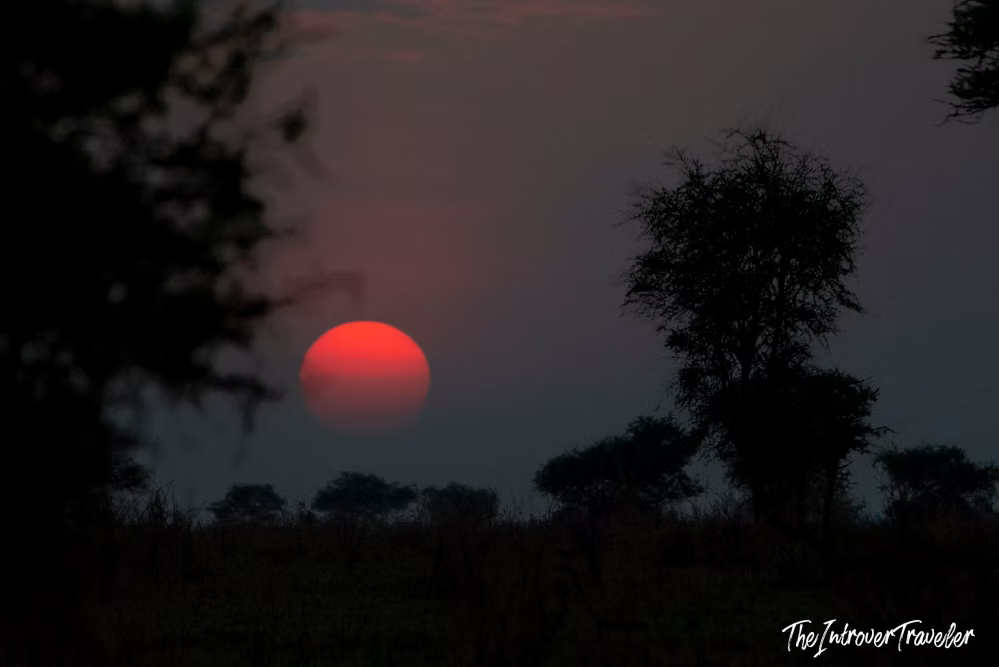
the Wildlife of the Serengeti
The Serengeti is famous above all for the sheer number of large mammals that inhabit its plains. The most recent estimates indicate that the ecosystem hosts:
- about 1.5 million wildebeest
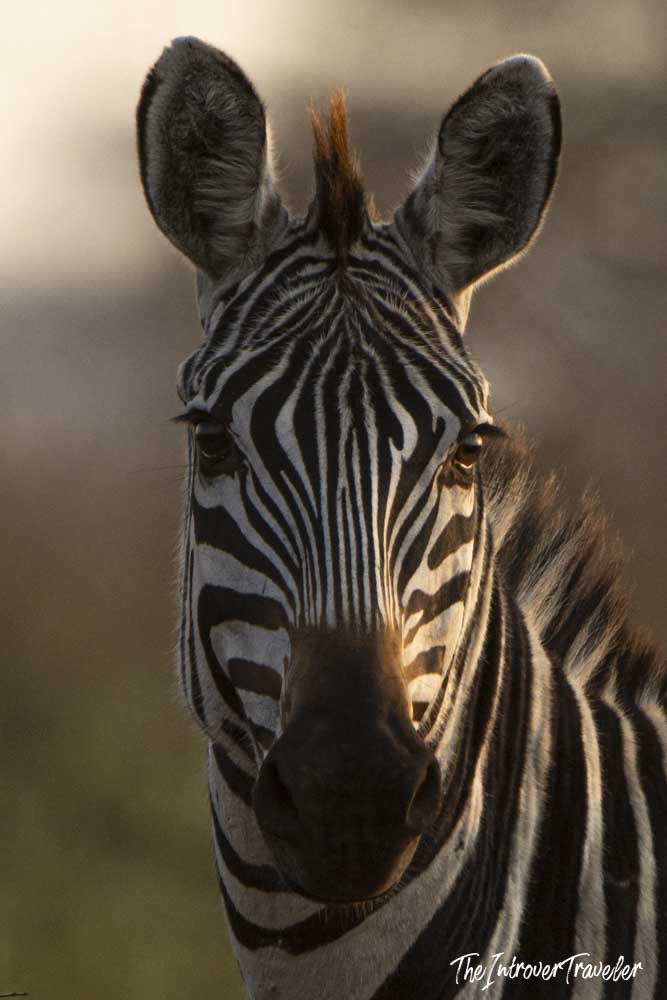
- more than 200,000 zebras
- over 500,000 Thomson’s gazelles
- tens of thousands of other ungulates
This abundance of herbivores supports one of the highest densities of large predators in Africa.
Lions
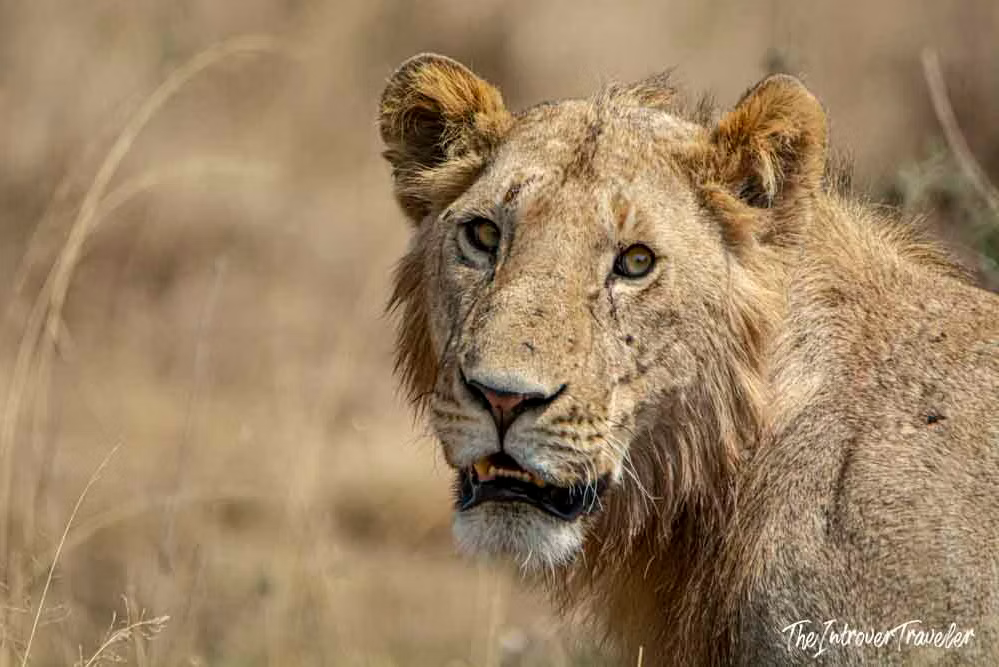
The Serengeti hosts one of the most important populations of African lions in the world. Lions live in social groups called prides, usually composed of several related females, their cubs, and one or more dominant males. During a safari it is relatively common to see them resting in the shade of acacia trees or on small rocky outcrops. The females are primarily responsible for hunting, which usually takes place during the cooler hours of the day. This means that if one hopes to witness a hunt it is crucial to be out in the field before sunrise. Personally, I did not witness hunting attempts in the Serengeti, where the many lions I encountered were always resting in the shade, whereas I had the opportunity to see lions hunting on two occasions in Ngorongoro.
Leopards
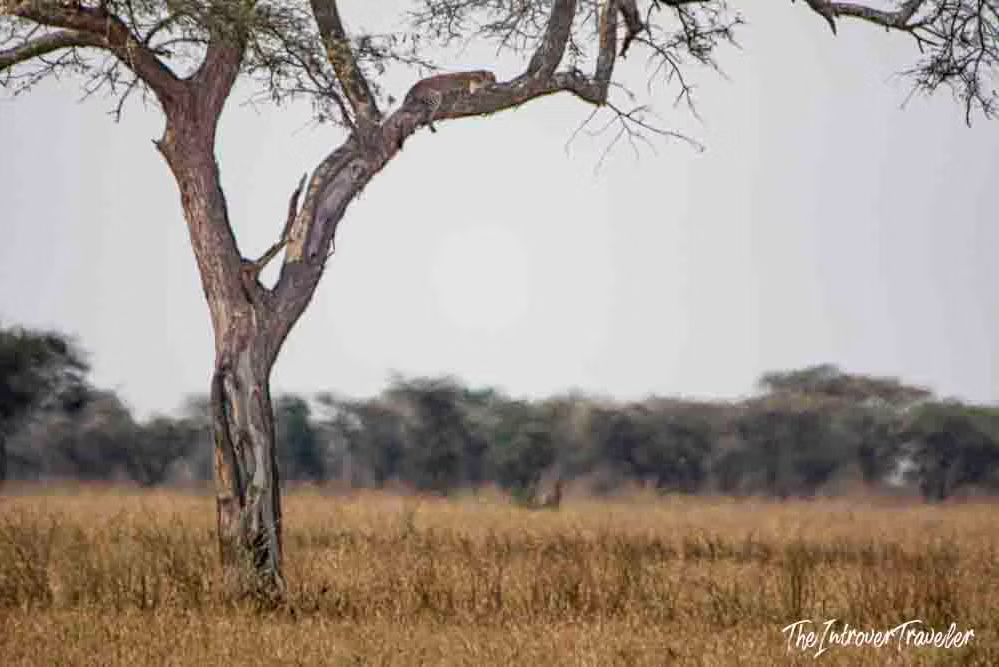
The leopard is much harder to observe because it leads a solitary life and tends to move mainly at night. In the Serengeti it is often found along river corridors, where vegetation is denser and offers better cover. It is one of the most adaptable predators of the African savanna and possesses an extraordinary capacity for camouflage thanks to its spotted coat, which makes it almost invisible among tall grasses and tree branches. Unlike lions, it lives a largely solitary and nocturnal life, relying on stealth rather than strength. It is also an exceptional climber and frequently drags its prey up into trees in order to protect it from hyenas and other scavengers. Its diet is extremely varied and may include gazelles, monkeys, birds, and small mammals. This behavioral and ecological flexibility explains why the leopard has one of the widest geographic distributions among large felids, ranging across much of Africa and parts of Asia. During my visit to the Serengeti I managed to spot a leopard in the distance sleeping in a tree, whereas a few days earlier in Tarangire several groups had seen a leopard up close, though I was not among the fortunate ones. When preparing a safari in Tanzania it is important not to take for granted the chance of seeing every animal, particularly the so-called “Big Five” (lion, leopard, elephant, rhinoceros, and buffalo). While elephant sightings are almost guaranteed in Tarangire, and lions are relatively easy to encounter between Tarangire, Ngorongoro, and the Serengeti, buffalo are already more elusive, while leopards and rhinoceroses remain largely a matter of chance.
Cheetahs
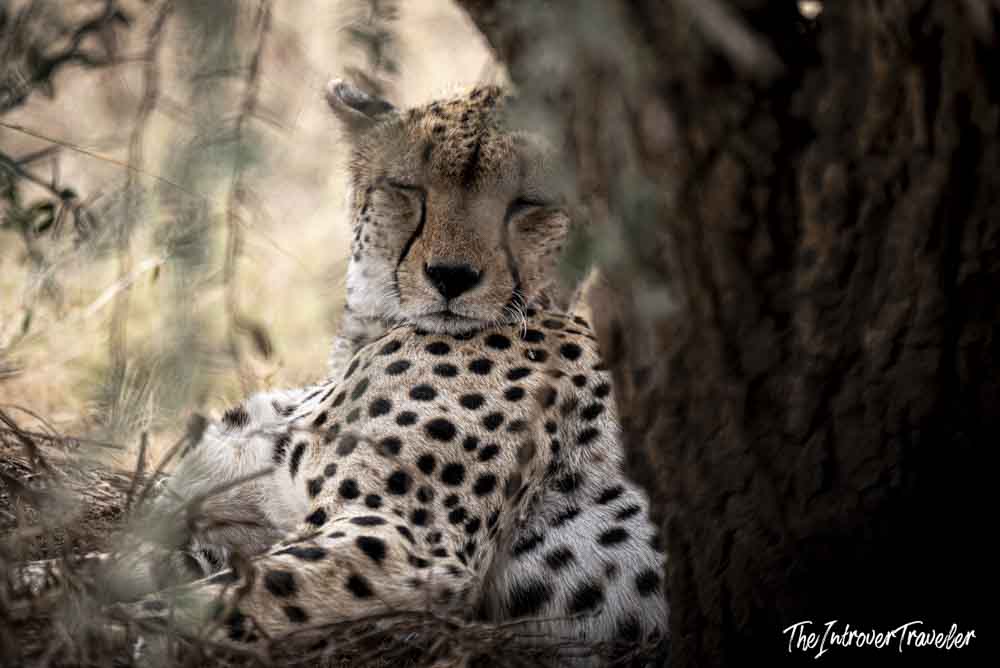
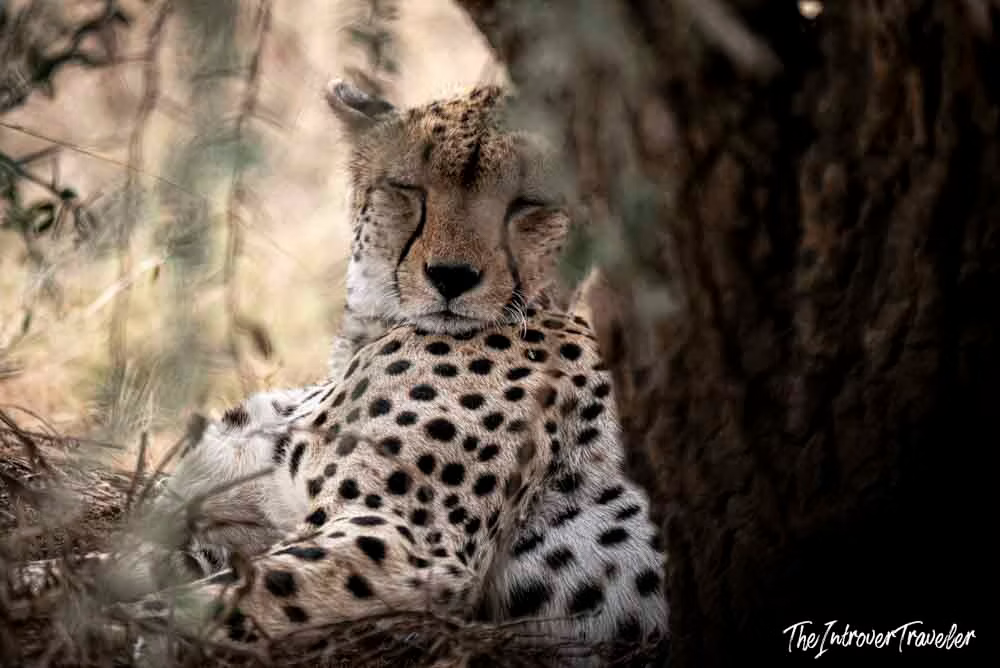
The cheetah is the fastest land mammal and one of the most specialized predators of the African savanna. It can reach speeds of over 100 km/h in short bursts, thanks to an extremely lightweight body, long limbs, and a highly flexible spine that increases stride length during a sprint. Unlike other large felids, the cheetah hunts almost exclusively during the day, relying on its exceptionally sharp eyesight to detect prey across open grasslands. Its hunting strategy consists of a rapid chase over relatively short distances, usually directed at gazelles and small ungulates, which are brought down with a final trip rather than a direct attack of brute strength. From an ethological perspective the cheetah is less aggressive and territorial than lions and leopards and tends to avoid direct confrontation with other predators, which often steal its kills. Females generally live solitary lives, while males sometimes form small coalitions, often composed of brothers, that cooperate in defending a territory. This combination of extreme speed, hunting specialization, and relative vulnerability to other carnivores makes the cheetah a unique figure within the savanna ecosystem, perfectly adapted to the vast open plains yet at the same time fragile within the delicate balance among African predators.
Hyenas
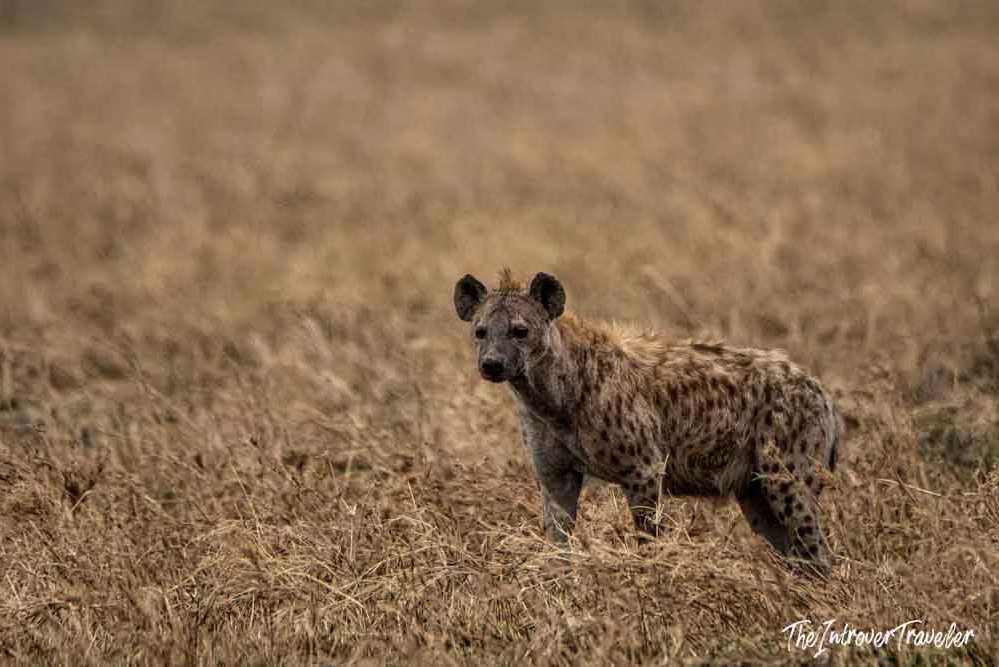
Spotted hyenas are often underestimated, yet they play a crucial role in the ecosystem. They are among the most intelligent and socially complex carnivores of the African savanna, although for a long time they were unfairly regarded as mere scavengers. In reality they are highly efficient predators, responsible for most of the prey they consume, often hunted cooperatively thanks to remarkable coordination among members of the clan. They live in structured matriarchal societies, where females dominate males and maintain their rank throughout their lives, passing it on to their offspring. Clans may include dozens of individuals and occupy clearly defined territories that they actively defend from other groups. Hyenas possess extraordinarily powerful jaws capable of crushing bones that other predators cannot consume, allowing them to exploit almost the entire carcass of their prey. They communicate through a rich repertoire of vocalizations, including the famous “laugh,” which is in fact a social signal used in hierarchical interactions. Contrary to what one might think, hyenas do not belong to the cat family, nor to the canids. They belong to the Hyaenidae family within the order Carnivora and are evolutionarily closer to mongooses and civets than to lions or leopards. Their resemblance to certain dog-like animals is the result of convergent evolution, meaning similar adaptations developed by unrelated species occupying the same ecological niche. From an ethological perspective they also display notable cognitive abilities, including individual recognition and forms of strategic cooperation during hunting.
Elephants
African elephants are present in significant numbers especially in the wooded areas of the northern and western Serengeti. They are the largest terrestrial mammals on Earth and represent one of the iconic species of the East African savannas. They live in matriarchal social structures, led by an older female who guides the group toward water sources and grazing areas based on her memory of the territory. Their diet consists mainly of grass, leaves, bark, and branches, and they can consume more than one hundred kilograms of vegetation per day, profoundly influencing the balance of the ecosystems in which they live. These animals have an enormous impact on their environment because they can reshape the landscape by knocking down trees and creating new clearings. Precisely because of this ecological role, elephants are considered a keystone species in the structure of African savannas. Their intelligence is remarkable and manifests itself in complex behaviors such as cooperation, low-frequency communication, and an extraordinary capacity for memory. For a deeper exploration of elephant cognition, I strongly recommend the book Beyond Words by Carl Safina, which I have reviewed here.
Giraffes
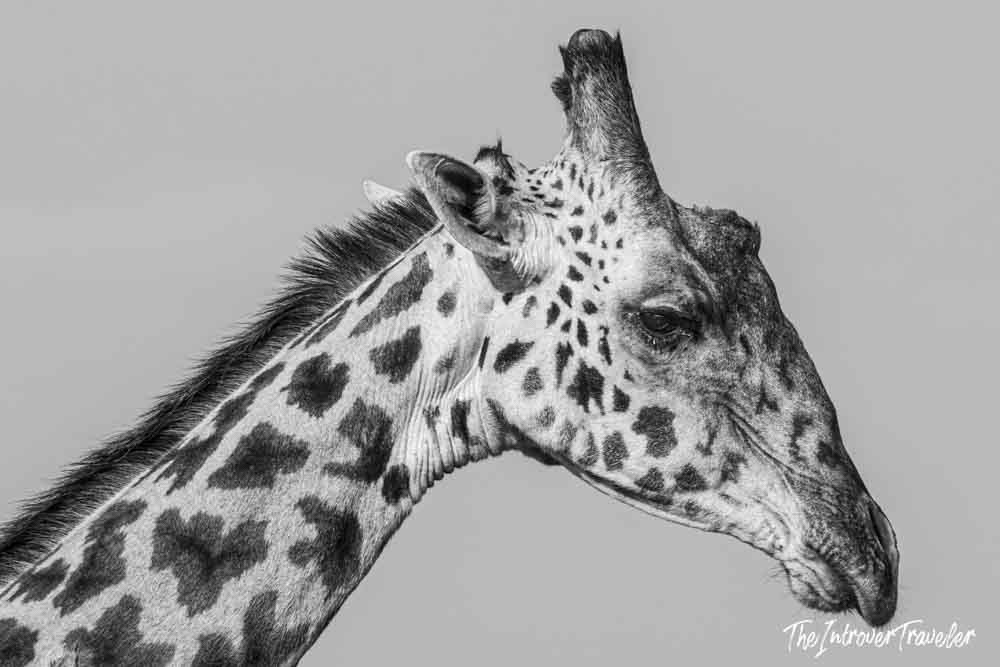
The Masai giraffe is the most common giraffe subspecies in the savannas of Tanzania and southern Kenya. It can be recognized by its coat pattern characterized by irregular, jagged dark patches separated by thin pale lines. Thanks to its long neck and prehensile tongue, it feeds on the highest leaves of acacia trees, a resource that is largely inaccessible to other herbivores. Giraffes generally live in loosely structured groups that form and dissolve with considerable fluidity during the course of the day. Their slow and oscillating gait is one of the most characteristic images of the African savanna landscape.
Other Species
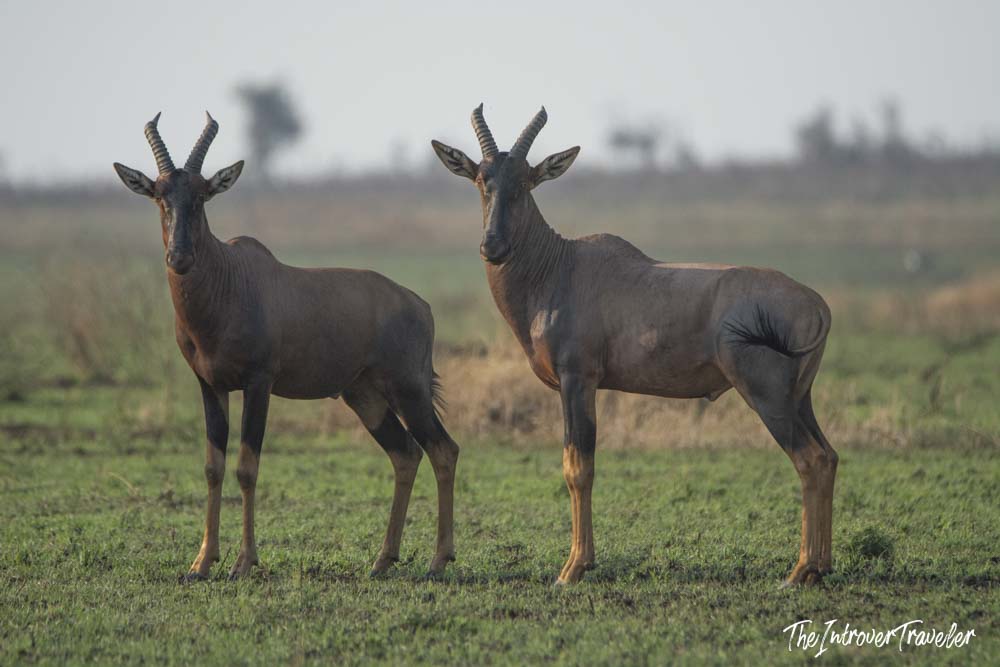
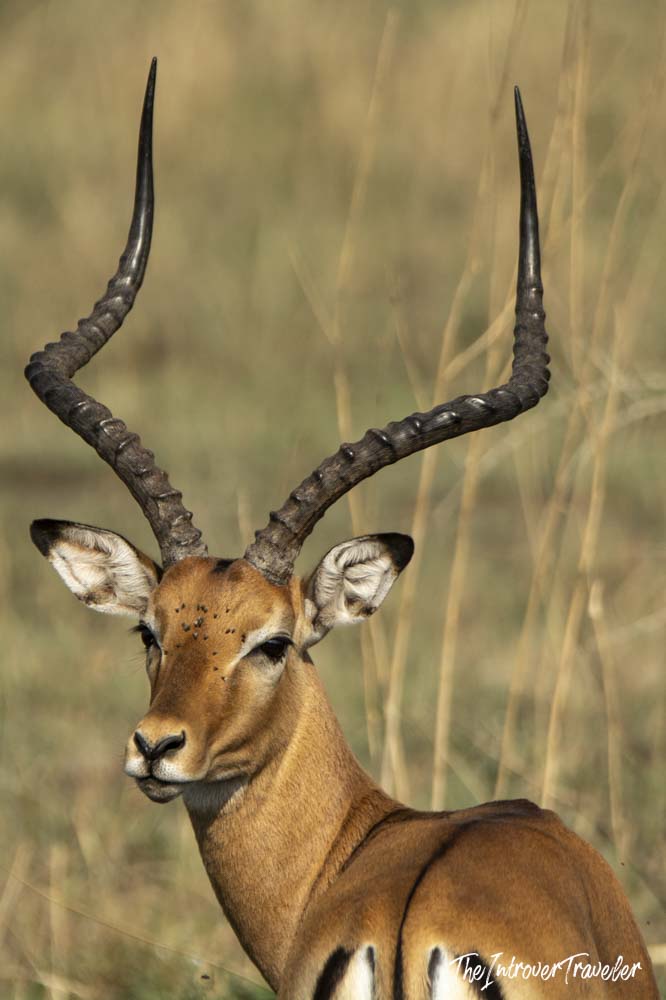
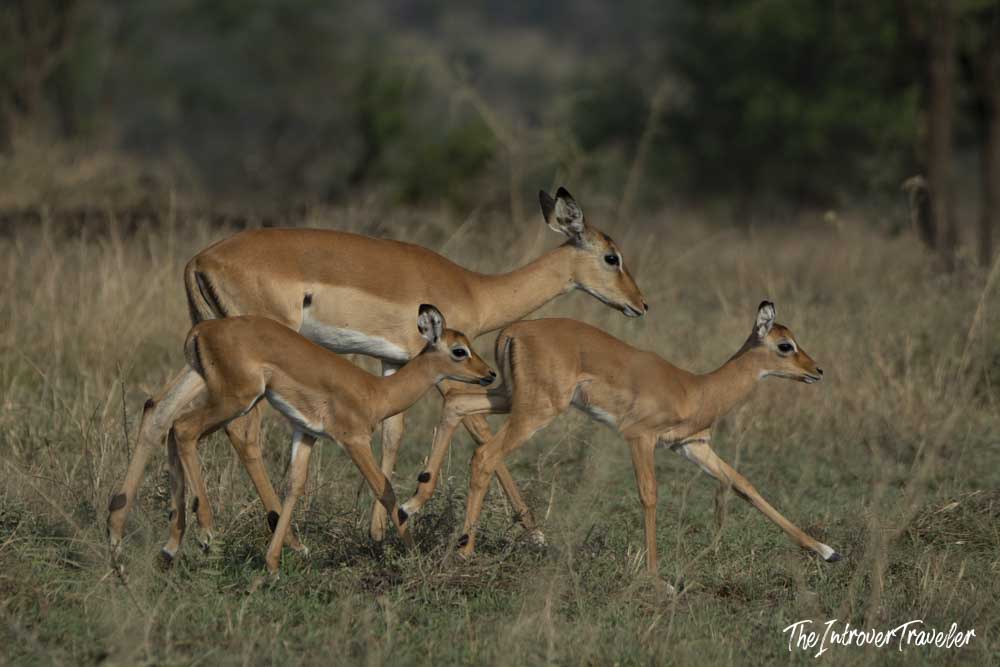
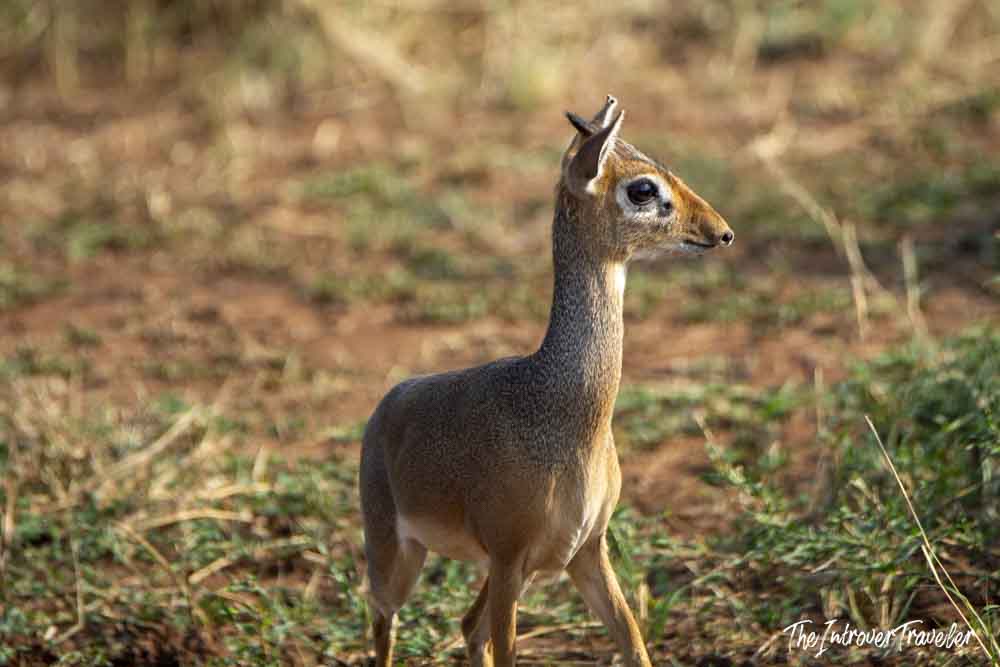
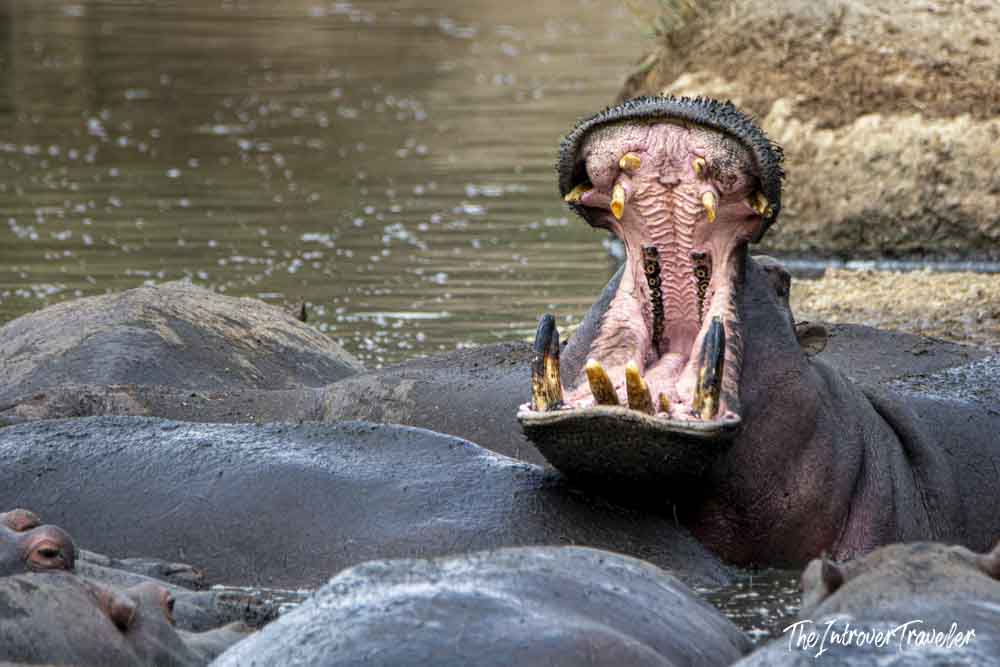
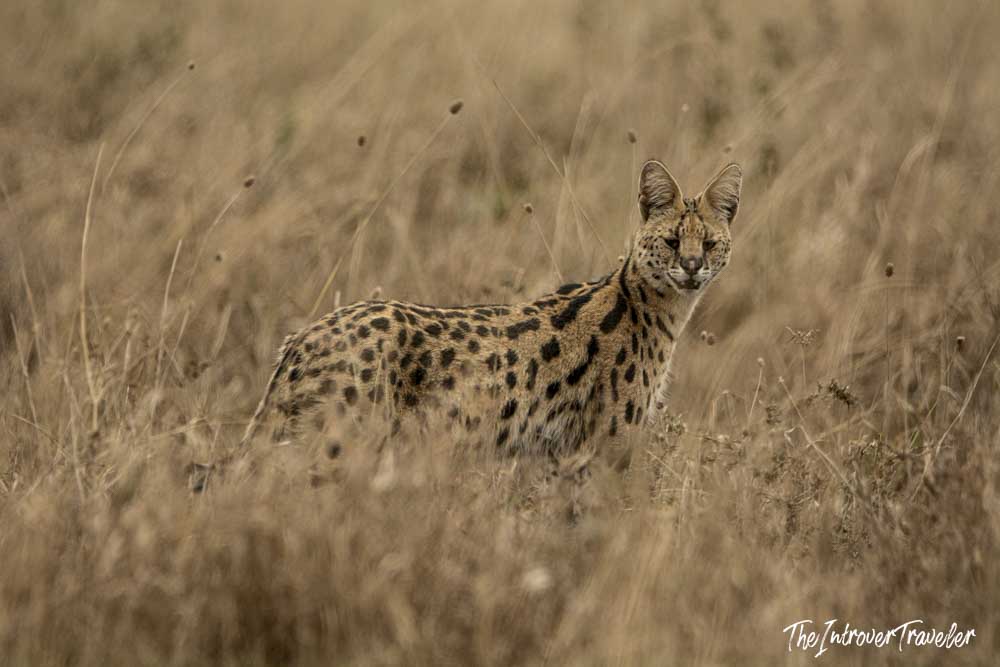
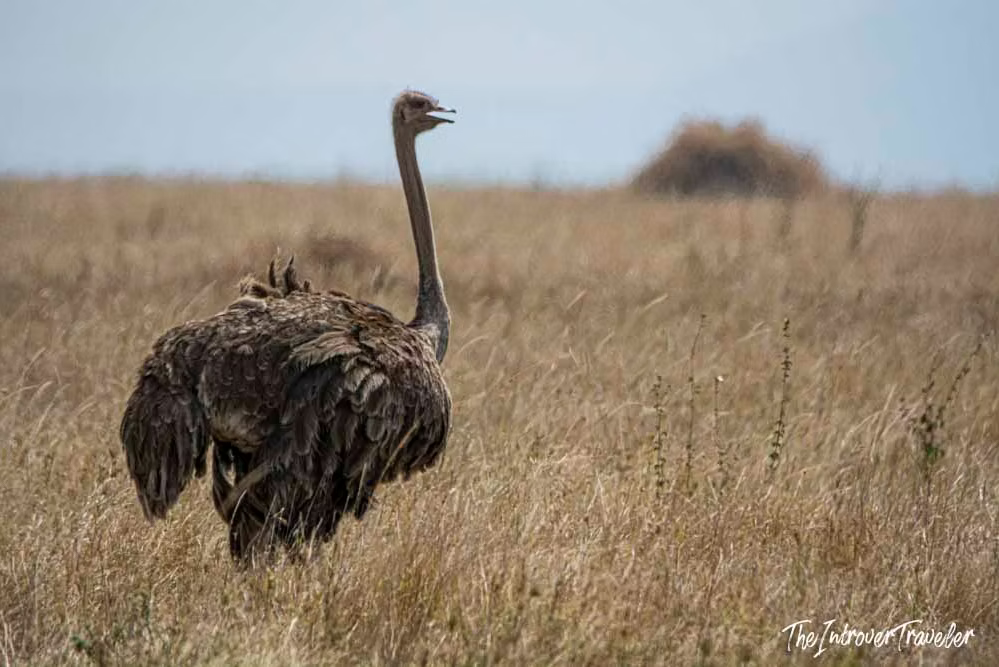
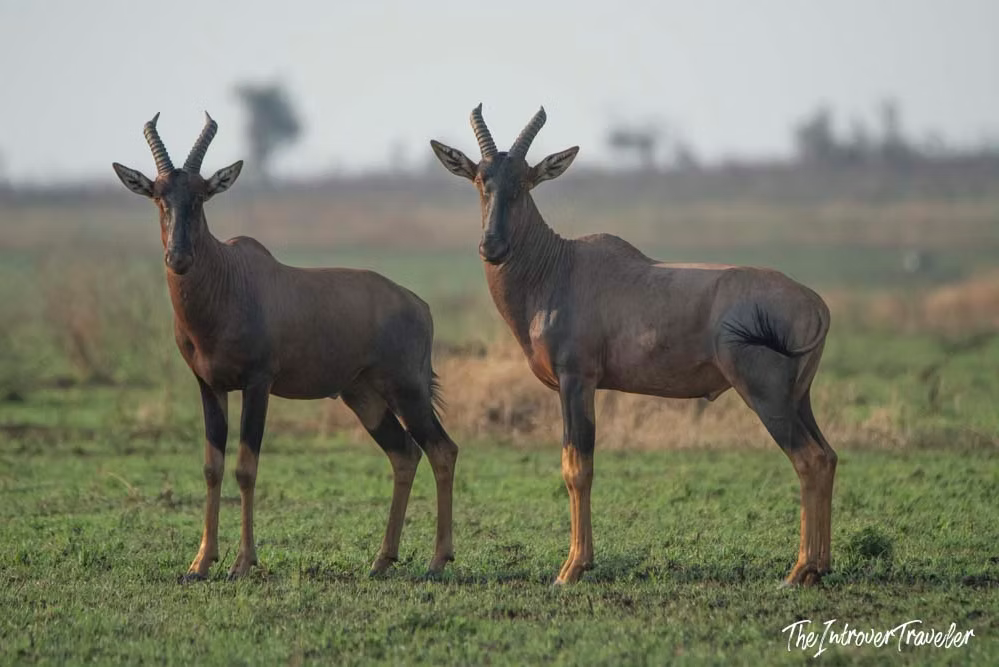
The park also hosts large populations of African buffalo, impala, topi, eland, and many other antelope species that form the dietary base for the region’s predators. It is also common to encounter ostriches, servals, various species of raptors and scavenging birds, as well as hippopotamuses and crocodiles in the rivers that cross the park.
The Main Regions of the Serengeti
Despite the common image of a uniform plain, the Serengeti is in fact divided into several regions with markedly different ecological characteristics.
Southern Serengeti
The southern plains are characterized by short grass and extremely fertile volcanic soils. During the rainy season these areas host immense concentrations of wildebeest and zebras. This is where the calving season of the migration takes place, when hundreds of thousands of wildebeest give birth within a few weeks.
Central Serengeti (Seronera)
The central region, known as the Seronera Valley, is one of the richest wildlife areas throughout the year thanks to the presence of permanent watercourses. Lions and leopards are particularly easy to observe here, and the area is often considered the ecological heart of the park.
Western Corridor
The Western Corridor follows the course of the Grumeti River and becomes a crucial area during the migration, when the herds must cross the river while facing the danger of large crocodiles.
Northern Serengeti
The northern region is less visited but extraordinarily spectacular. This is where the famous crossings of the Mara River occur, one of the most dramatic moments of the migration.
The Great Migration
The Great Migration is probably the most famous natural phenomenon of the Serengeti. Every year about two million herbivores follow a migratory cycle of more than 800 kilometers across the Serengeti–Mara ecosystem.
This movement is not guided by a fixed route but rather by the availability of fresh grass generated by seasonal rains.
The annual cycle generally follows this pattern:
January – March The herds are located in the southern Serengeti. During this period the calving season takes place, with hundreds of thousands of wildebeest calves born within just a few weeks.
April – May With the arrival of the long rains the animals begin to move gradually northward.
June – July The herds cross the Grumeti River, one of the most dangerous moments of the migration.
August – October The animals reach the Masai Mara in Kenya and cross the Mara River, confronting strong currents and large crocodiles.
November – December With the return of the rains the herds gradually move back toward the southern Serengeti.
This cycle represents one of the most impressive examples of terrestrial animal migration still occurring on the planet today.
This seasonality has important implications when planning a visit to the Serengeti. In my case, I chose to travel in August, which falls in the middle of the dry season and offers two significant advantages. On the one hand, vegetation is lower, which greatly facilitates spotting animals even at considerable distances. On the other hand, because it is the dry season, much of the wildlife concentrates around water sources, making sightings easier and increasing the chances of witnessing hunting scenes for those interested in observing predator behavior.
The downside is that in August the Great Migration is usually located in the Masai Mara, which has two consequences. First, one may miss the spectacular phenomenon made famous by countless wildlife documentaries. Second, the Serengeti may appear partially depleted of the vast herds of wildebeest and zebras that are commonly associated with its imagery.
In my opinion the ideal solution would be to dedicate two full weeks to a safari, allowing enough time not only to visit the other major parks of northern Tanzania (Ngorongoro, Tarangire, and Lake Manyara, which I consider essential and in some respects even more rewarding than the Serengeti) but also to spend several days exploring the Serengeti before eventually continuing toward the Masai Mara. Of course, this requires both time and budget. In any case, I believe the dry season remains the best time to visit the great national parks of Tanzania.
Logistics and Planning a Safari in the Serengeti
Visiting the Serengeti requires a certain amount of logistical planning because distances are vast and infrastructure is limited. As mentioned earlier, the Serengeti covers nearly 15,000 square kilometers, an area comparable to Connecticut, the Italian region of Lazio, or Flanders. When estimating travel times, it is important to remember that these distances must be covered entirely on dirt roads. When I received the proposal for my safari from the agency I contacted (more details in my guide to safaris in Tanzania), I initially thought that the two days planned in the Serengeti would be sufficient. In reality I had underestimated several factors.
First of all, the authorization to remain inside the park is granted per day. If you enter the park at 4 p.m. on day X, you must exit by 4 p.m. on day X+1. In my case this meant that the two theoretical days effectively became 24 hours of access. Entering the park in the late afternoon and then spending three hours on dirt roads to reach the campsite where we spent the night meant that the actual time spent crossing the park was roughly eight hours, from sunrise until around 1 p.m., when we had to begin the return journey in order to exit the park before the permitted time. When planning a visit to the Serengeti, I would therefore recommend allocating at least three days, and ideally four days, in order to explore even a portion of the park properly.
When looking at a map and identifying the position of your campsite, it may appear relatively close to a park gate. However it is essential to remember that those distances must be covered on rough tracks, and even though safari vehicles may seem to move quickly across the Serengeti, travel times are very different from those on paved roads.
The vast size of the park also means that a significant amount of time is spent driving through landscapes where nothing particularly dramatic appears to be happening. Although the number of animals living in the park, especially herbivores, is immense, the sheer scale of the Serengeti means that wildlife is often widely dispersed. Encounters with large herds of zebras or wildebeest may be followed by long stretches of open savanna where little seems to occur. This is perfectly normal and is part of the experience and fascination of the landscape, but it can become frustrating if one suddenly realizes that the two days theoretically allocated to the Serengeti translate into only a few hours of actual exploration.
Because of these time constraints we did not, for example, have the opportunity to reach the kopjes, the characteristic rocky outcrops that punctuate the Serengeti landscape. These formations not only define the visual identity of the park but are also frequently used by large predators, especially lions and leopards, as elevated vantage points, often offering spectacular photographic opportunities.
Most travelers reach the region through Kilimanjaro International Airport, near the city of Arusha, which serves as the main departure point for many safaris in the Northern Circuit.
From Arusha the Serengeti can be reached in two main ways:
- by road, traveling in a 4×4 vehicle through the Ngorongoro area
- by small domestic flights to airstrips located within the park
Safaris are generally conducted in 4×4 vehicles, often equipped with a pop-up roof to facilitate wildlife observation and photography. Tracks inside the park can be long and rough, so an appropriate vehicle is essential.
As for accommodation, several options are available:
- permanent lodges
- tented camps
- mobile camps that follow the migration
The choice depends largely on budget and the type of experience one is seeking.
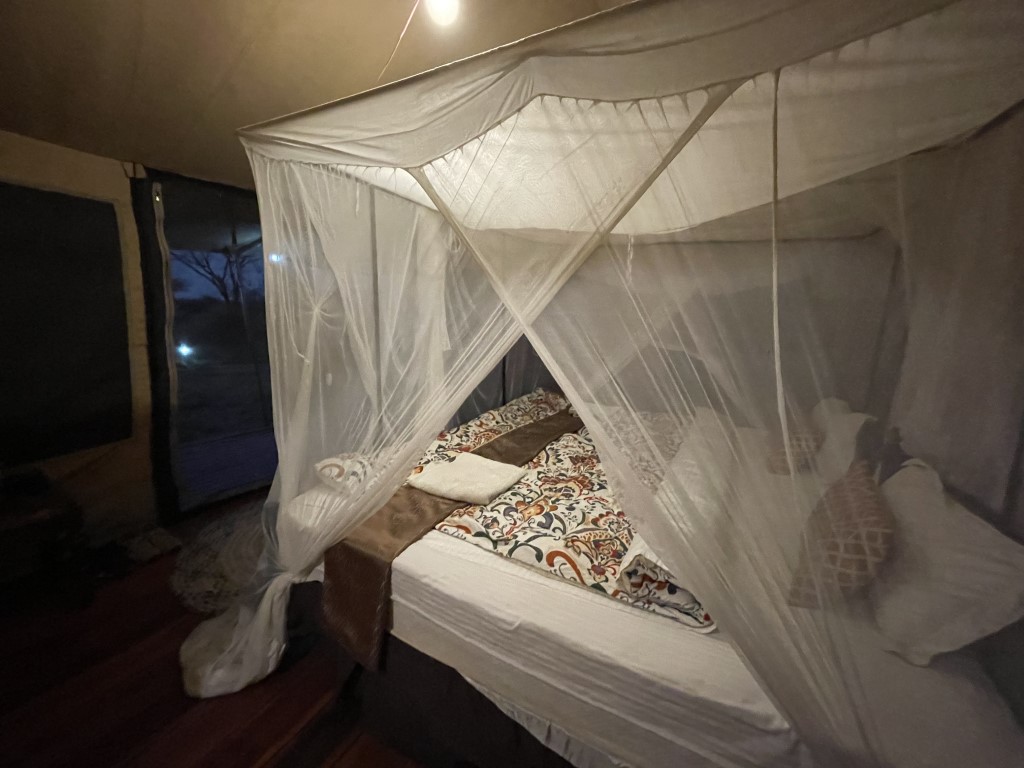
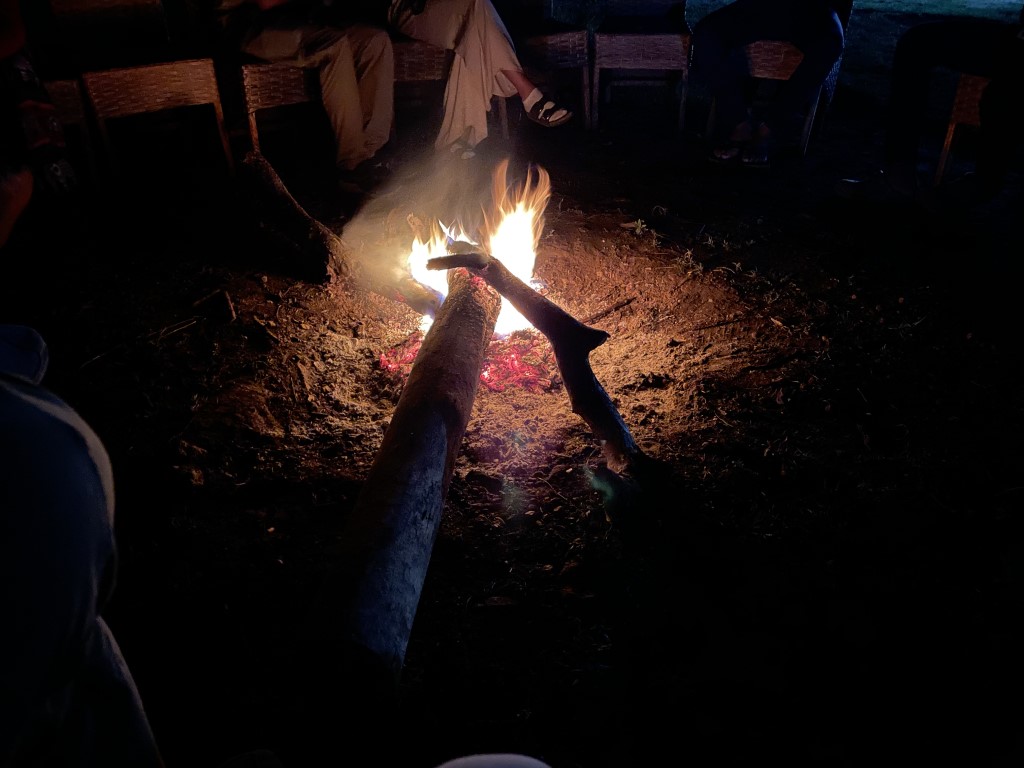
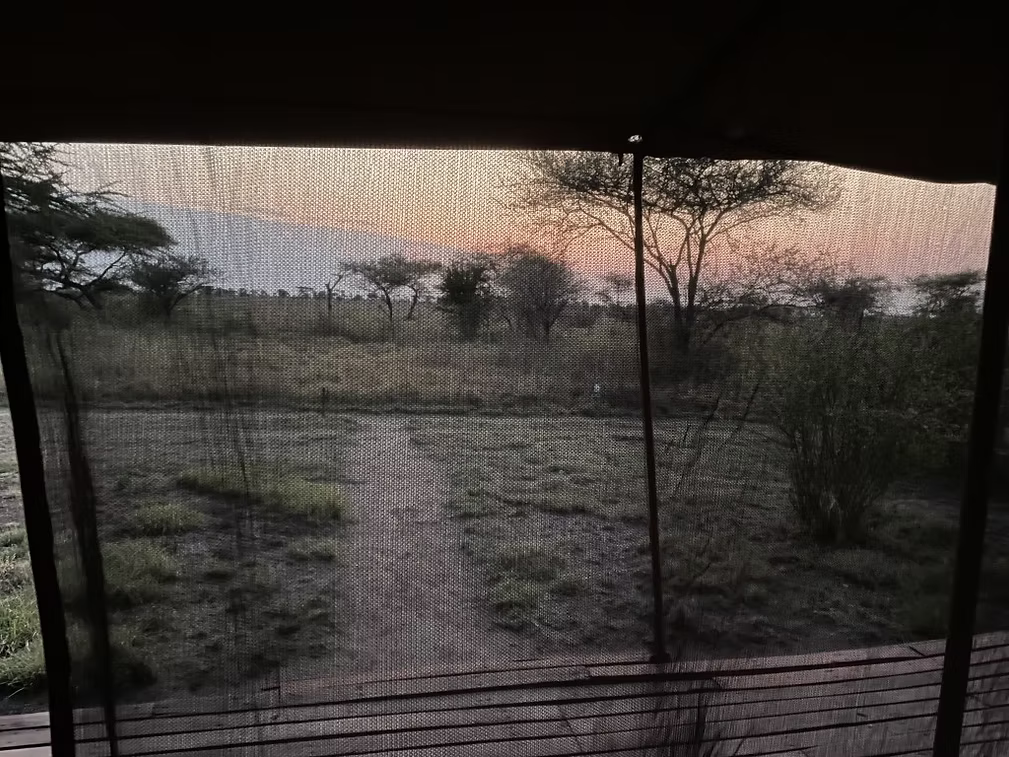
When preparing for the trip I was slightly apprehensive about the idea of sleeping in a tent in the Serengeti surrounded by lions and elephants, and while researching online I realized that this concern is quite common. In reality it is largely unfounded. The camps resemble small villages rather than a few tents in the middle of nowhere, which presumably helps keep animals at a distance. In addition, camps are constantly monitored by experienced guides who know how to deter wildlife if necessary. The tents themselves are also extremely well structured and comfortable, essentially small apartments with a bedroom and bathroom. Of course, if a lion truly wanted to tear through the fabric it probably could, but the apparent solidity is reassuring enough.
Sleeping in a tent in the Serengeti, while hearing lions roaring in the night only a few meters away, sending deep vibrations through your chest, is an experience I would recommend at least once in a lifetime.
The Serengeti as a Unique Ecological System
The Serengeti is not merely a tourist destination but one of the most important natural laboratories in the world for the study of savanna ecosystem dynamics.
The combination of large-scale migrations, a high density of predators, and relatively intact habitats offers ecologists a rare opportunity to observe natural processes that in many other regions of the planet have been heavily altered by human activity.
For visitors, this means entering a landscape where nature still appears governed by ancient ecological balances. The endless plains, the vast herds in motion, and the constant presence of predators create the impression of witnessing a vast ecological theater that has continued to unfold almost unchanged for millennia.
And it is probably this dimension, even more than the simple observation of wildlife, that makes the Serengeti one of the most extraordinary places one can visit in Africa.