Last visit: April 2025
Where: Dorgali, Supramonte, central-eastern Sardinia
When: late spring, usually late April or May
My rating: 7/10
On this blog I treat with a certain suspicion any event that presents itself under the banner of “territoriality” and “local produce”, because too often those words are the rhetorical shell of marketing operations with no substance. The Magnalonga of Dorgali is exactly the opposite case, and that is why here I set the sarcasm aside: it is a genuine event, well done, where the formula really works. I say so having walked it myself.
What a “magnalonga” is
The name says it all, once you break it down: “magna” (to eat, in many central-Italian dialects) and “longa” (long). A magnalonga is a food-and-wine walk, that is, a stroll along a set route, divided into stops, where at each stop you pause to taste a different dish and a different wine. It is not a race, and there is no hurry: you walk slowly, in a group, alternating movement with food, and the whole day becomes a way of crossing a territory by tasting it, literally, piece by piece.
The format is not exclusive to Dorgali, there are magnalonghe in many parts of Italy, but the Dorgali one has features that make it particularly successful: the landscape setting, the quality of the food, and the organisation.
Who organises it and how it works
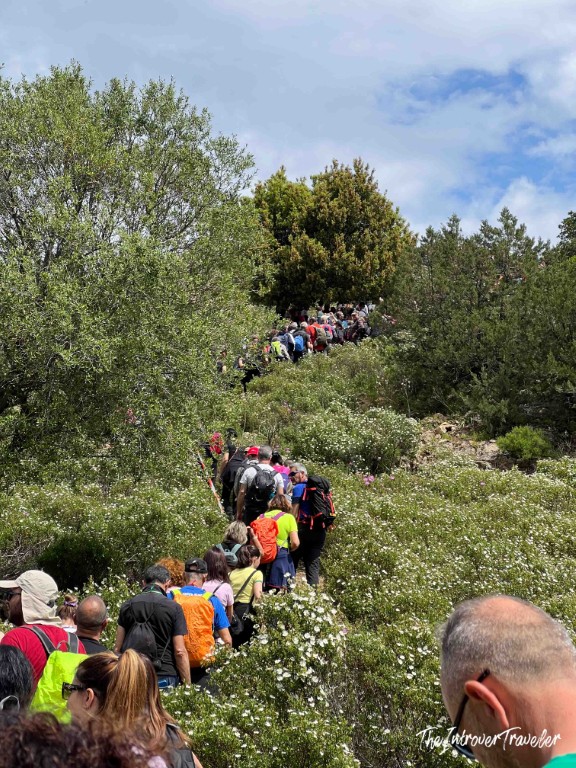
The Magnalonga Dorgalese is organised by the Associazione Volo Sportivo Dorgali, and it takes place once a year, in late spring, usually between late April and May. It has now reached several editions, and one of the clever things about the organisation is that the route changes every year: those who have already done it still find something new, and the event manages to introduce participants to different portions of the vast Dorgali territory. Some editions have had a theme, for example an archaeological-Nuragic one, with an itinerary built around nuraghi, giants’ tombs, and Nuragic villages.
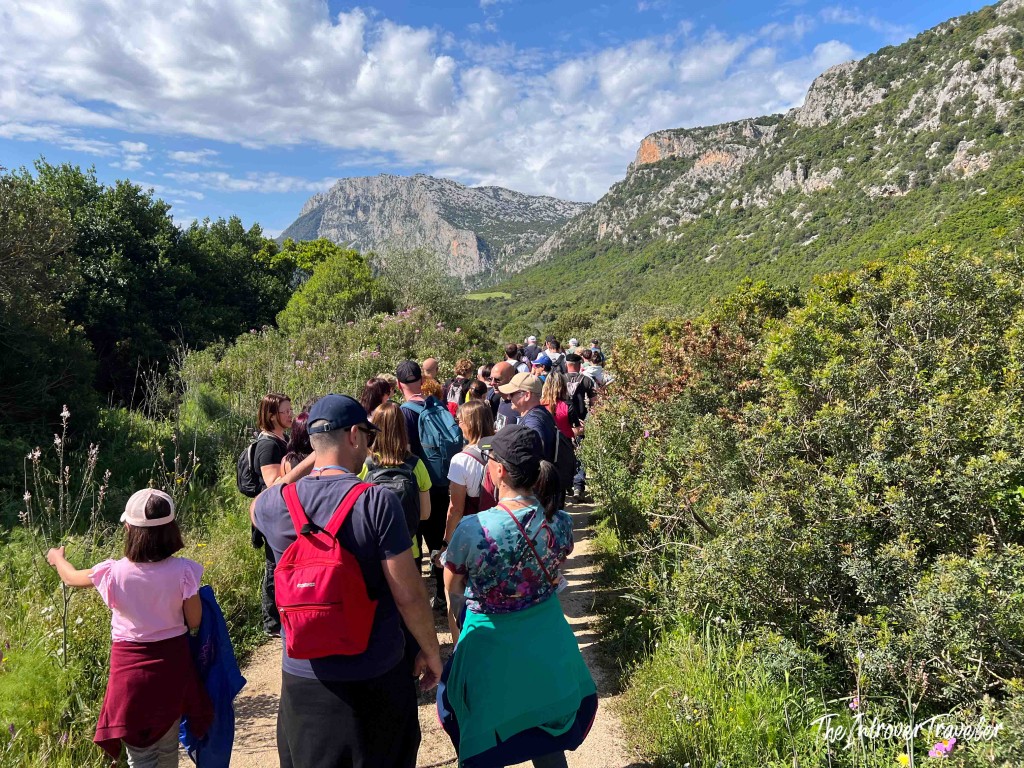
The route is generally a loop, although in some editions, when the gradient is too marked, it becomes linear and the organisers provide free shuttles to bring participants back to the starting point. The length is around 9 to 10 kilometres, divided into about nine food stops.
On registration you receive a bag with a personalised tasting glass, used to sample the wines along the whole route. The cost, in recent editions, is around 40 to 45 euros for adults and 20 euros for children aged 6 to 12, while the youngest take part for free. The price also includes a guide, a “group leader” who explains the route and stays on hand along the way.
The setting: Dorgali and the Supramonte
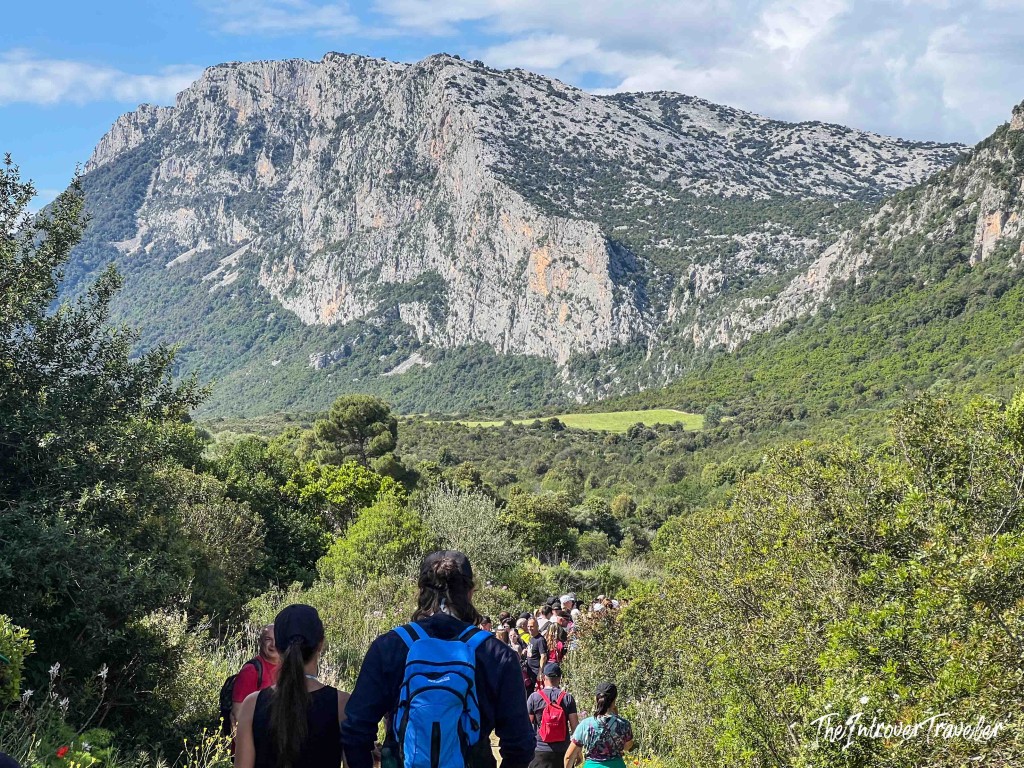
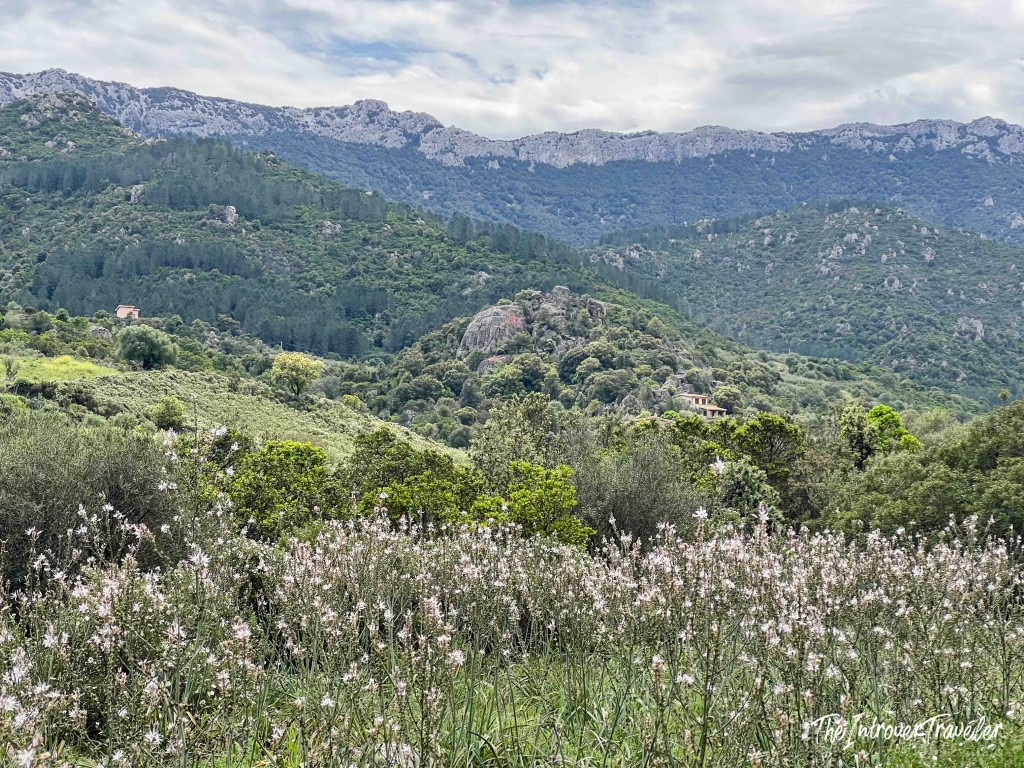
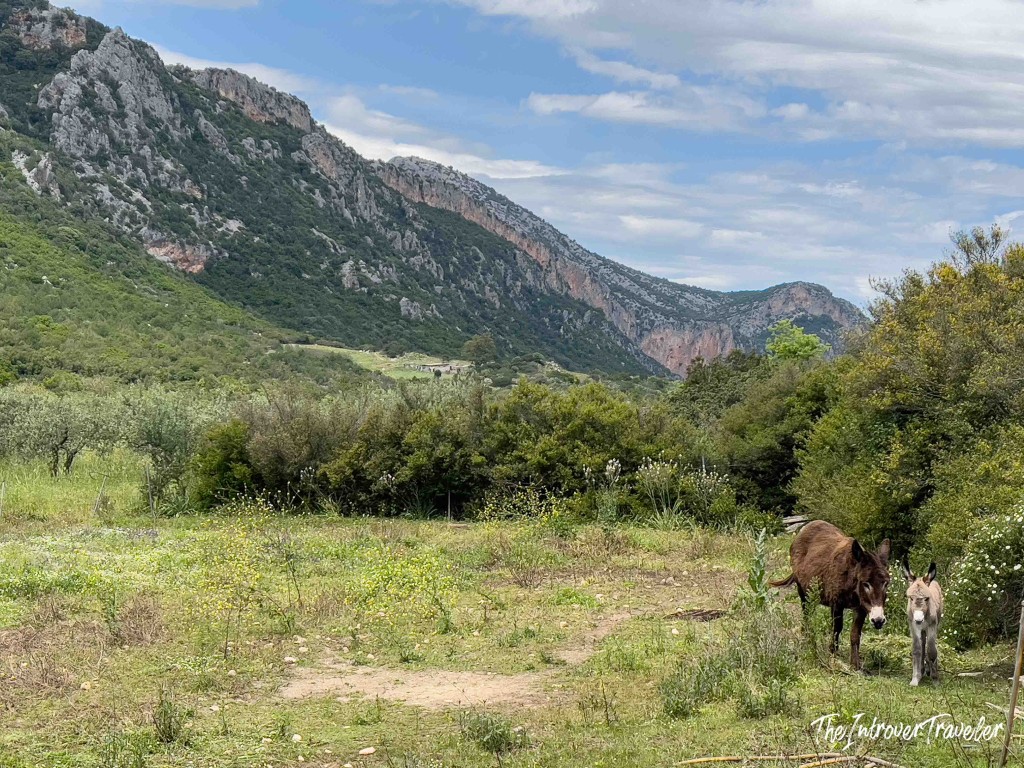
Here lies a large part of the event’s value. Dorgali sits in the heart of central-eastern Sardinia, at the foot of the Supramonte, in one of the most spectacular areas of the island, the same one that holds the Gorropu gorge, the village of Tiscali, the Gulf of Orosei, and Cala Luna. The Magnalonga makes use of this setting without needing to force it: you walk on old mule tracks and pastoral paths, among centuries-old wild olives, pastures, cultivated land, and rock outcrops, with the vertical walls of the Supramonte closing off the horizon.
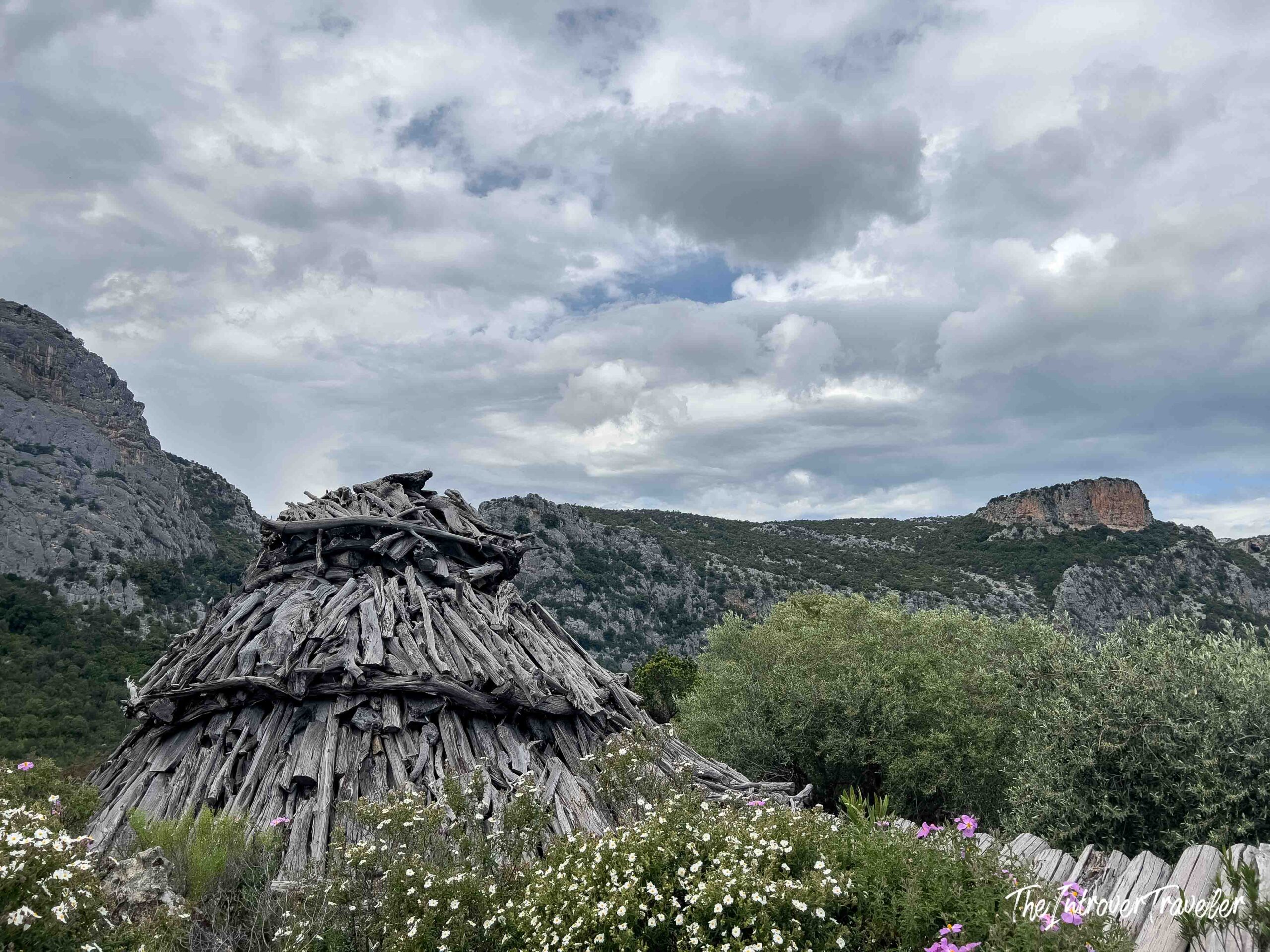
It is a landscape that tells on its own the alternation, deeply characteristic of Dorgali, between mountain and sea, and between nature and human labour: the terraces, the folds, the dry-stone walls bear witness to centuries of adaptation to a hard land. Walking inside it, stopping to eat what that same land produces, gives the food a meaning that would be lost in a city restaurant.
The Domus de Janas: the fairy houses carved into the rock
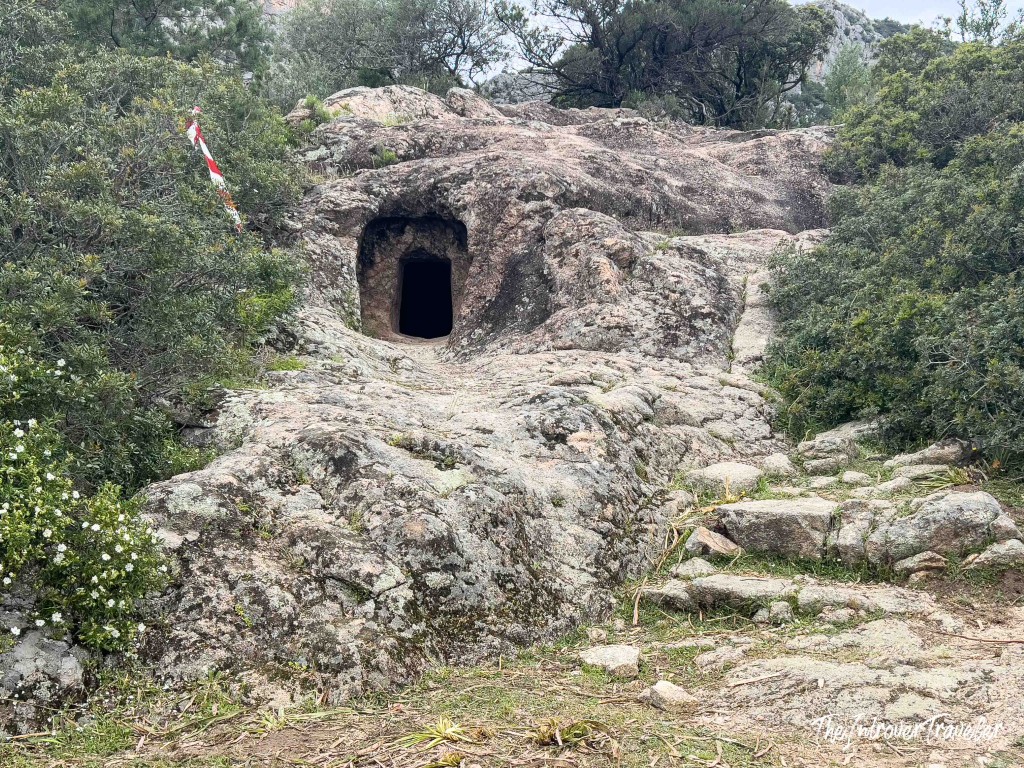
Among the archaeological remains you encounter along the route, the most fascinating are the Domus de Janas, and they deserve an explanation, because they are not simple tombs. The name, in Sardinian, means “fairy houses”: popular tradition held that they were the dwelling of the janas, tiny fairies who, according to legend, wove threads of gold inside them. The reality is just as evocative. They are hypogeal burials, that is, dug into the living rock, made by the pre-Nuragic peoples of Sardinia during the Neolithic and the Copper Age, between the fifth and the third millennium BC, and therefore far older than the nuraghi. Thousands of them have been recorded across the island.
The extraordinary thing is the idea that animates them. Those who dug them, with stone tools, even before the working of metals, did not merely create a hole in the rock: they reproduced inside the architecture of the houses of the living. In the more elaborate Domus you find corridors, antechambers, cells with niches, and above all carved details that imitate the dwellings of the time: ceilings that reproduce double-pitched roofs, false pillars, beams in relief, and the most recurrent and powerful symbol, the “false door”, the carved representation of the passage to the afterlife. Some preserve traces of red ochre paint, the colour of blood and life, and taurine protomes, sacred images linked to the protective deity. The idea was to give the dead a house in death too, a symbolic return to the womb of the earth.
There is another symbol worth looking for, because it recurs in many of these burials: concentric circles, often accompanied by spirals and zigzag lines. They are not mere decoration. Scholars link them to the solar cult and to the figure of the Mother Goddess, and therefore to the idea of cyclicality: the sun that rises and sets, the seasons that return, life that is reborn after death. In a place of burial, a symbol that evokes the eternal cycle is no accident, it is a declaration of faith in regeneration. They are, in a sense, stories in stone about the conception of life and death of a people we know very little about, and precisely for this they continue to fascinate and to resist any definitive interpretation.
Their value was officially recognised in July 2025, when a set of seventeen of the most significant burials and necropolises became part of the UNESCO World Heritage list, becoming the sixty-first Italian site. The territory of Dorgali holds several: the best known is the domus of Mariughia, just north of the town, in an area now planted with vineyards, exactly the kind of rural landscape the Magnalonga crosses. Depending on the itinerary chosen for the edition, you may therefore pass beside these cavities dug five thousand years ago, and stopping to look at them, perhaps with a glass of Cannonau in hand, gives the measure of how deep the human layering of this land runs.
What you eat and drink
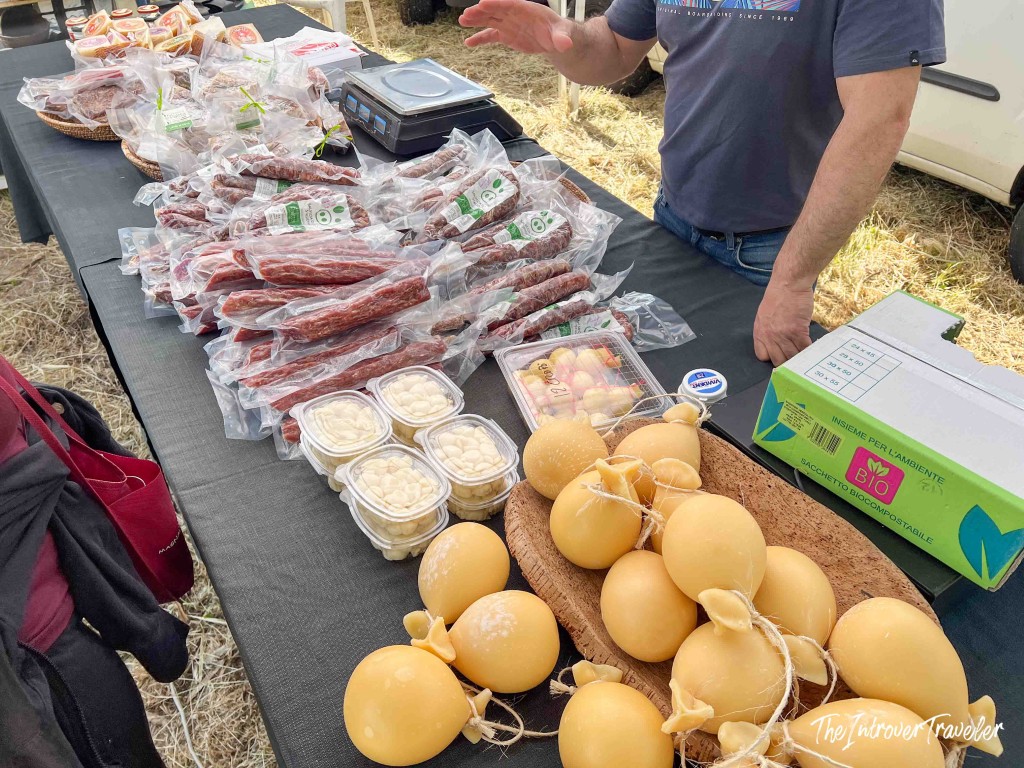
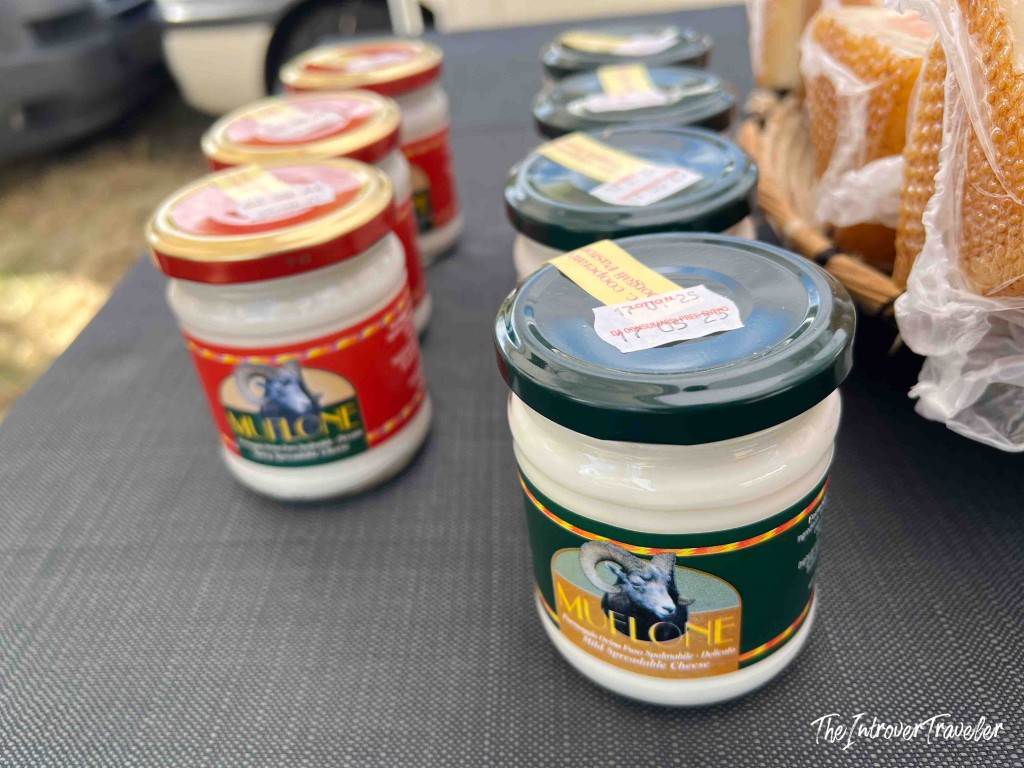
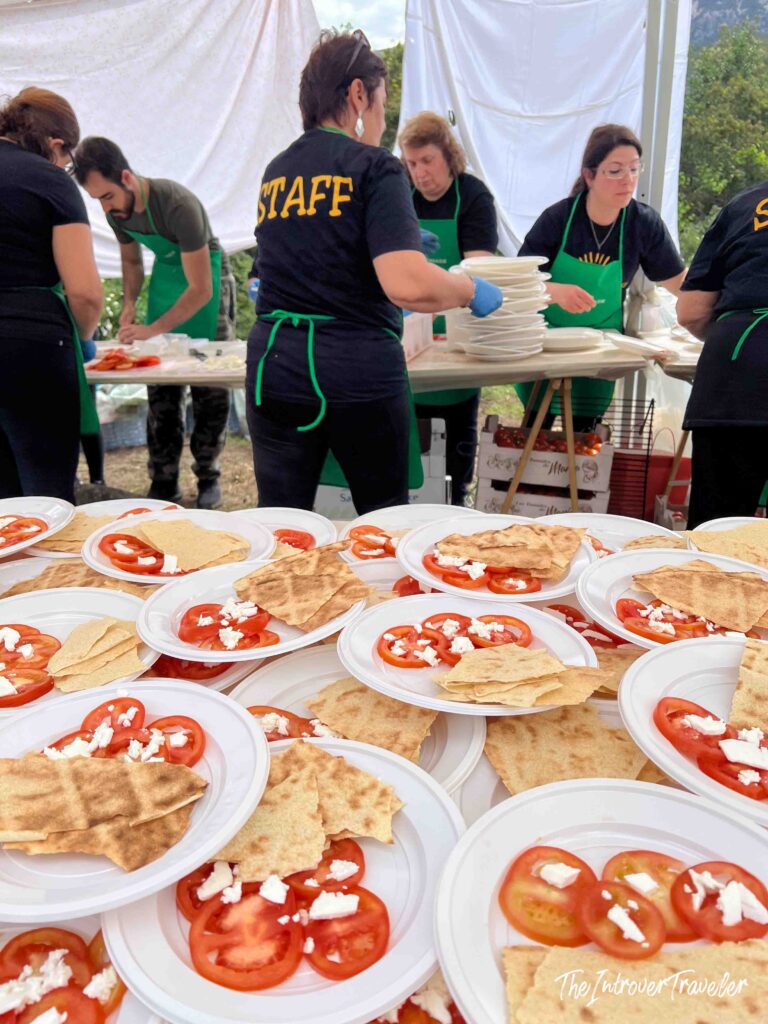
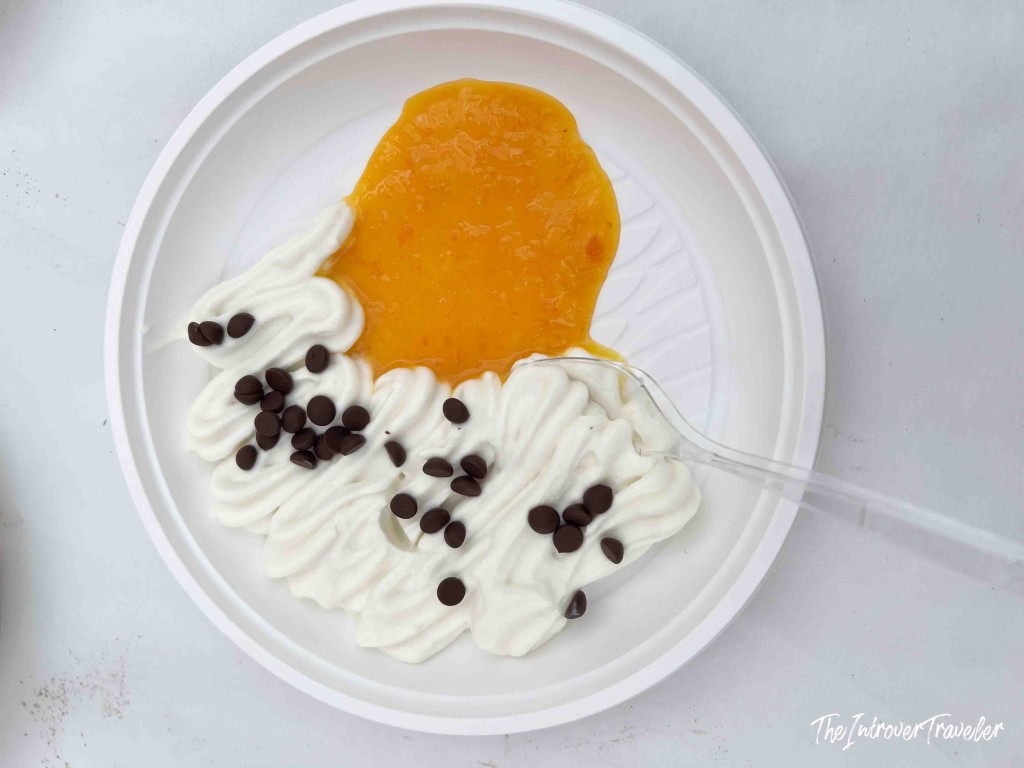
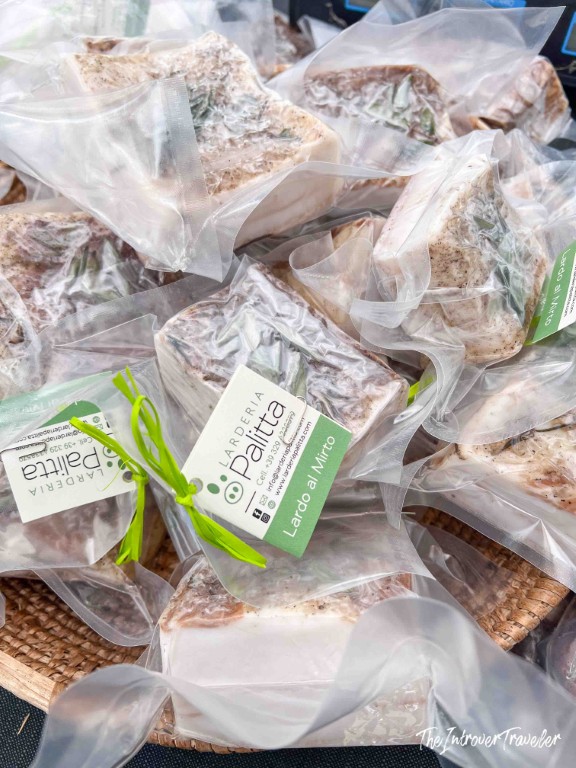
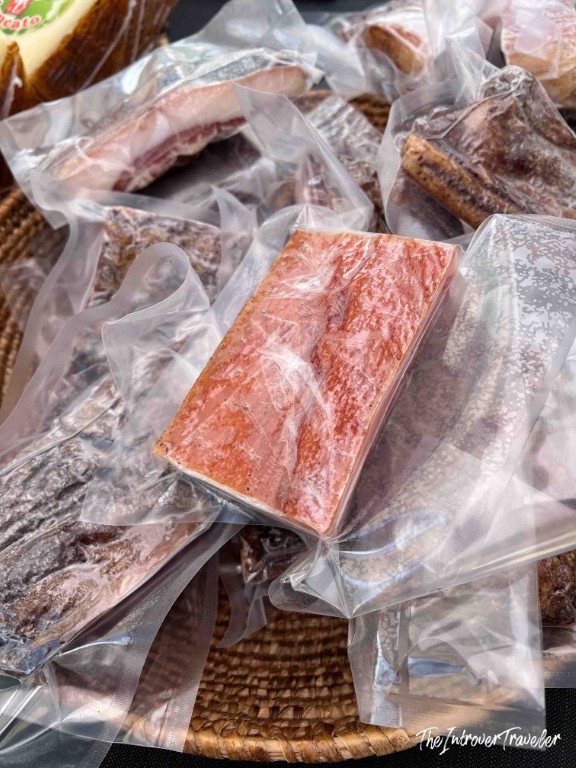
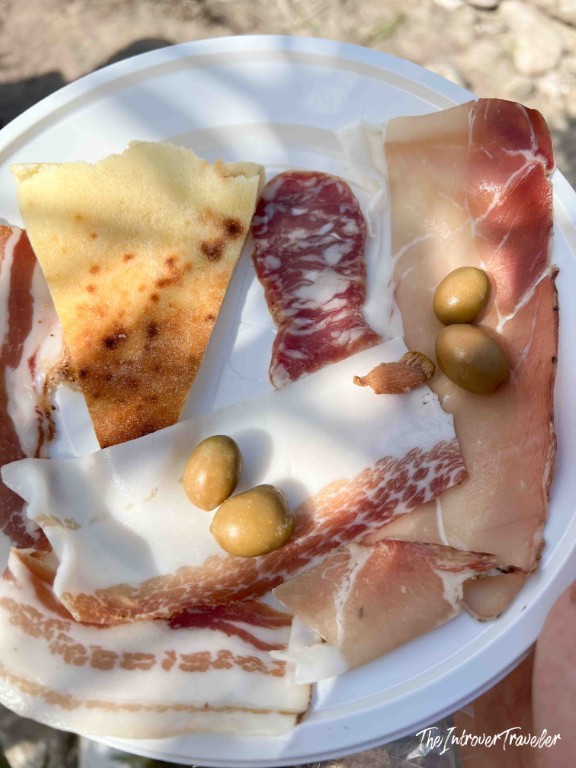
This is the part that, on its own, justifies the day. The quality of the food is on average very high, and above all you taste a remarkable variety of local produce, because every stop offers something different. Without pretending to list a fixed menu (it changes from year to year), among the dishes you meet along the route there are local cured meats and olives, the spicy Dorgali cheese, the cheese ravioli Dorgali-style (the culurgiones and their variants), grilled sausages, fresh pecorino, sheep’s ricotta accompanied by walnuts and jam, carasau flatbread, and traditional sweets. To accompany it all, the wines of Dorgali, in particular Cannonau, which is one of the area’s oenological points of pride.
The stops are run by volunteer associations, choral groups, and local businesses, and you can tell: there is none of the industrial detachment of catering, but the care of people preparing food to make their own cuisine known.
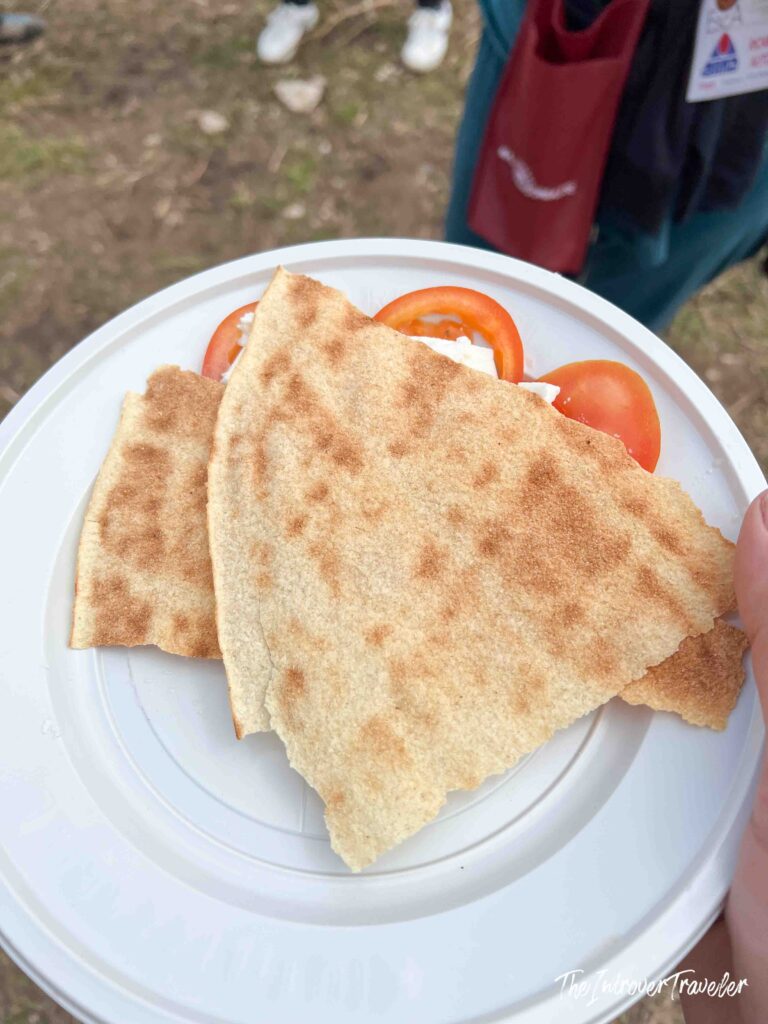
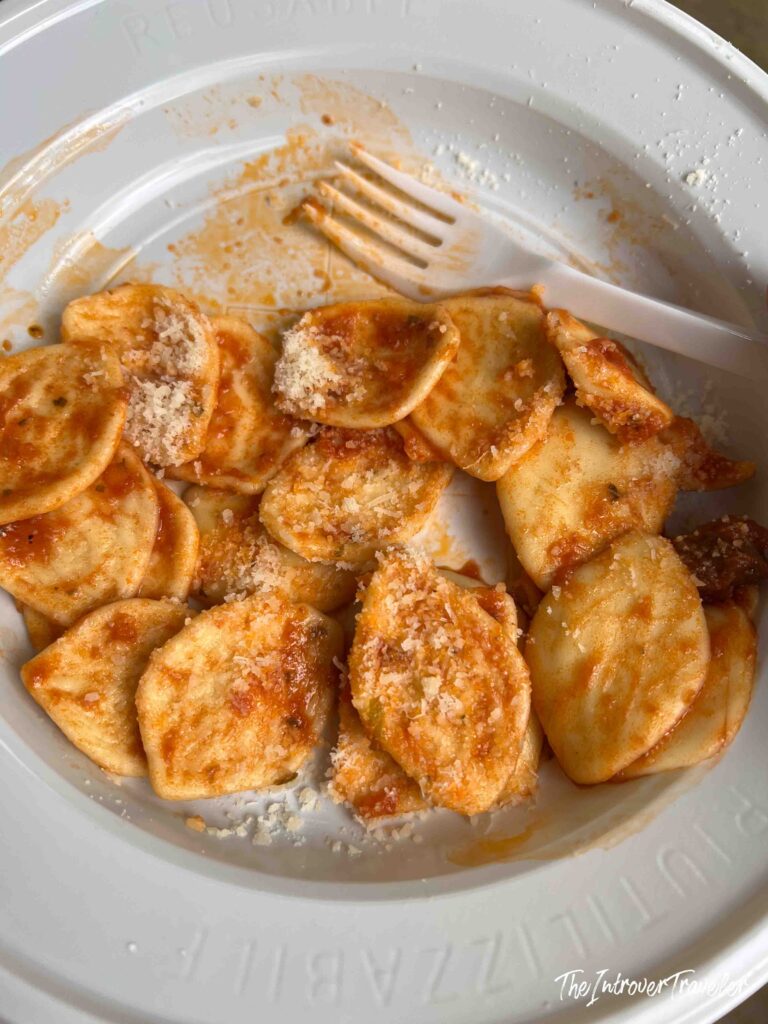
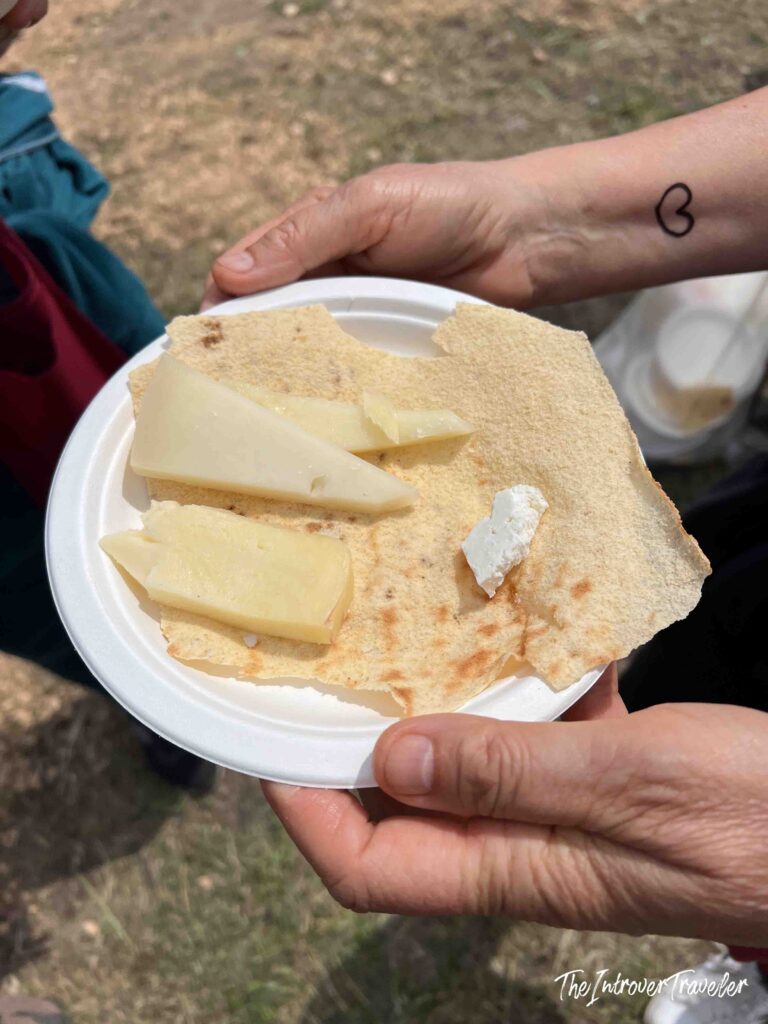
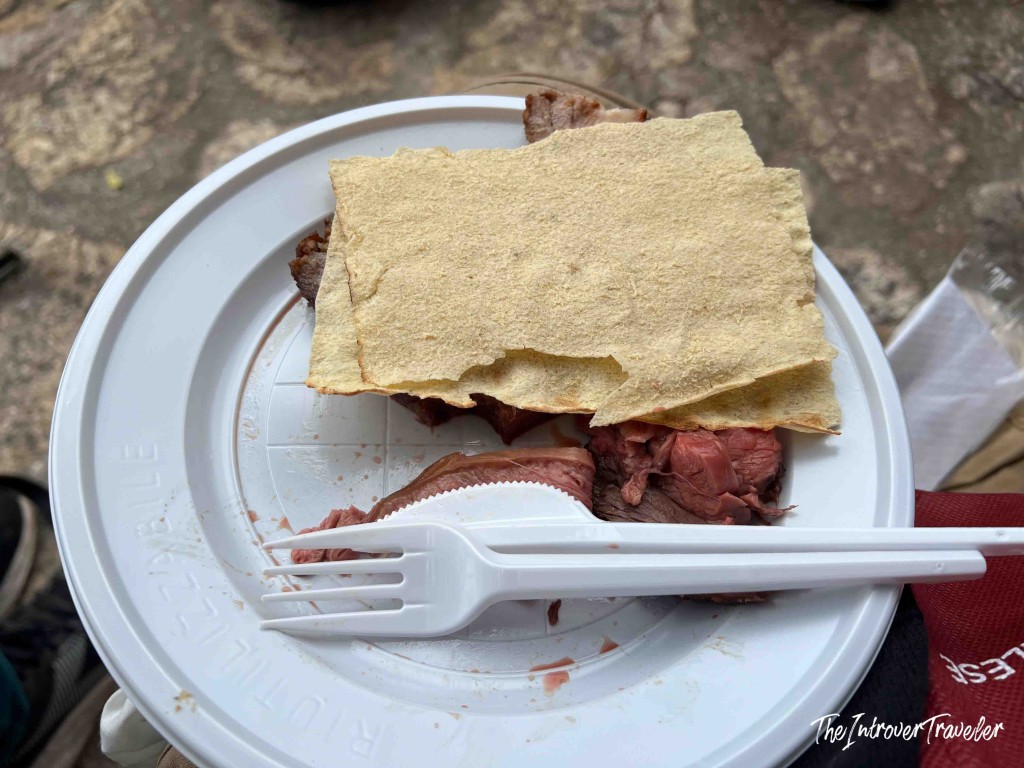
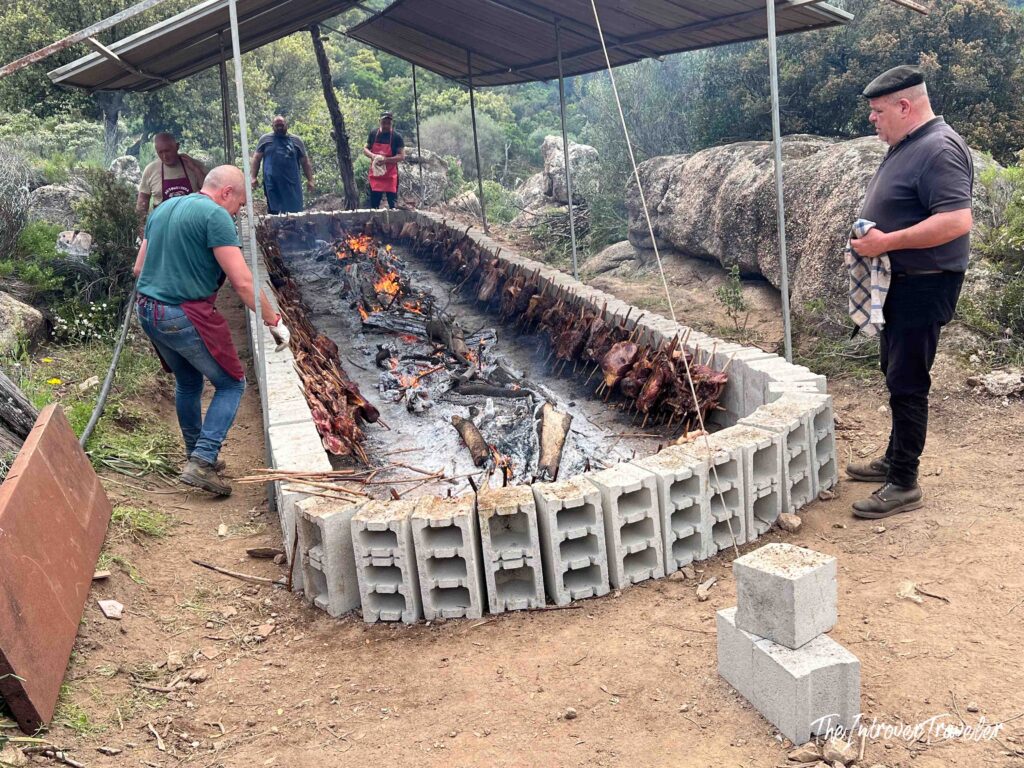
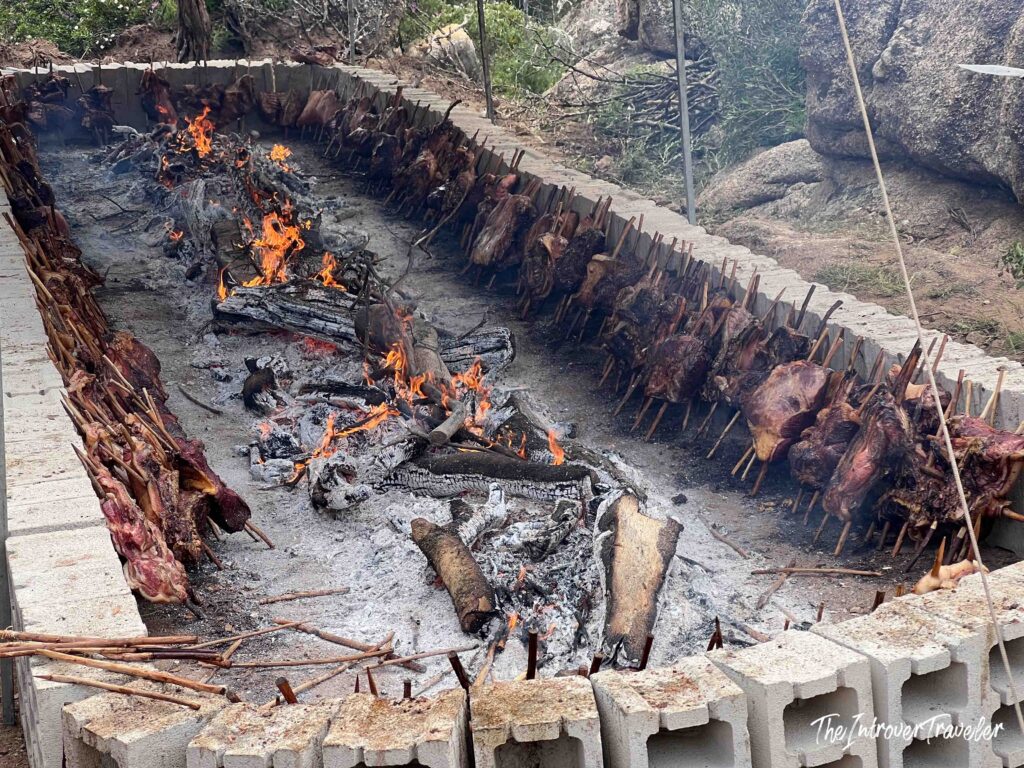
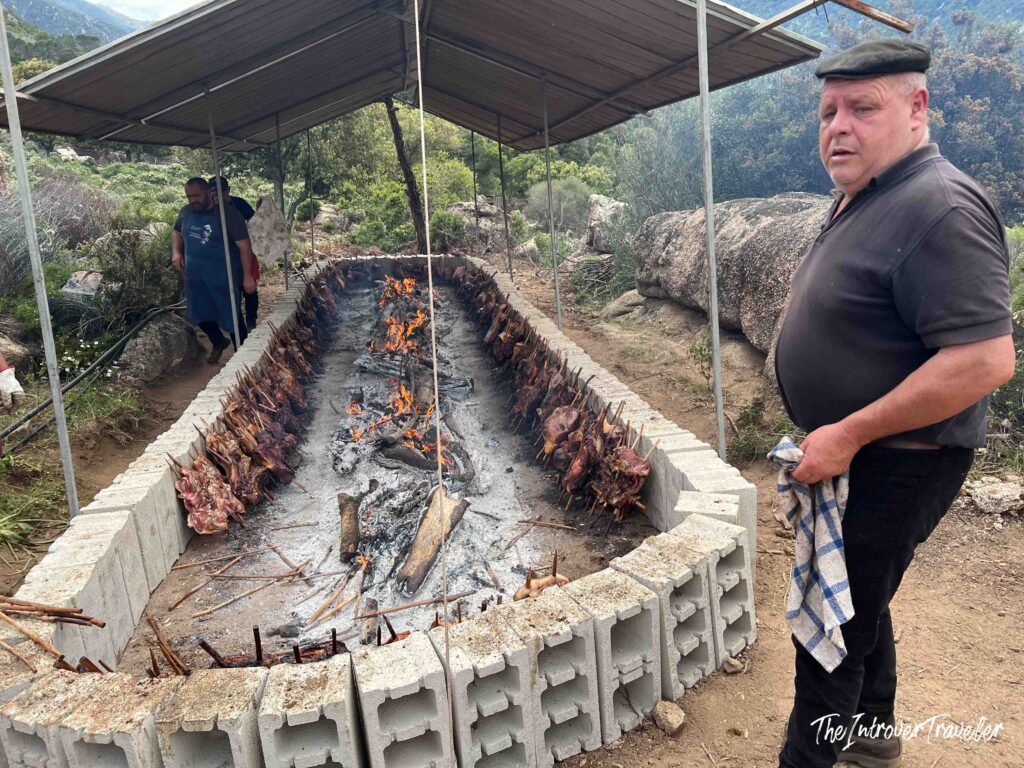
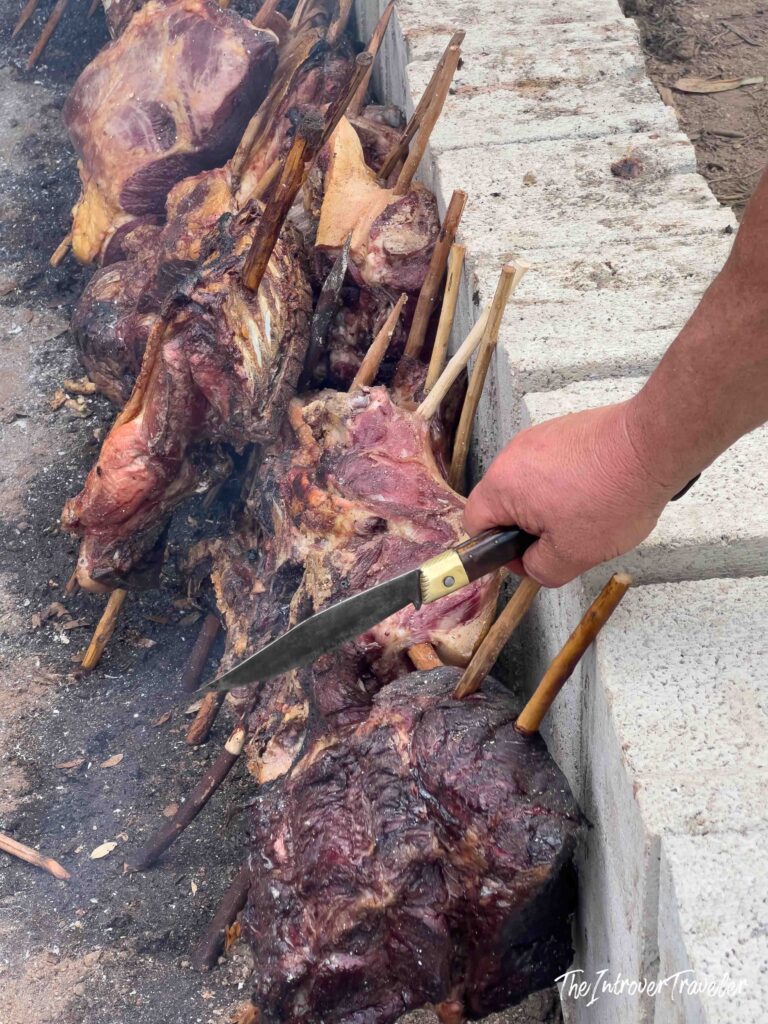
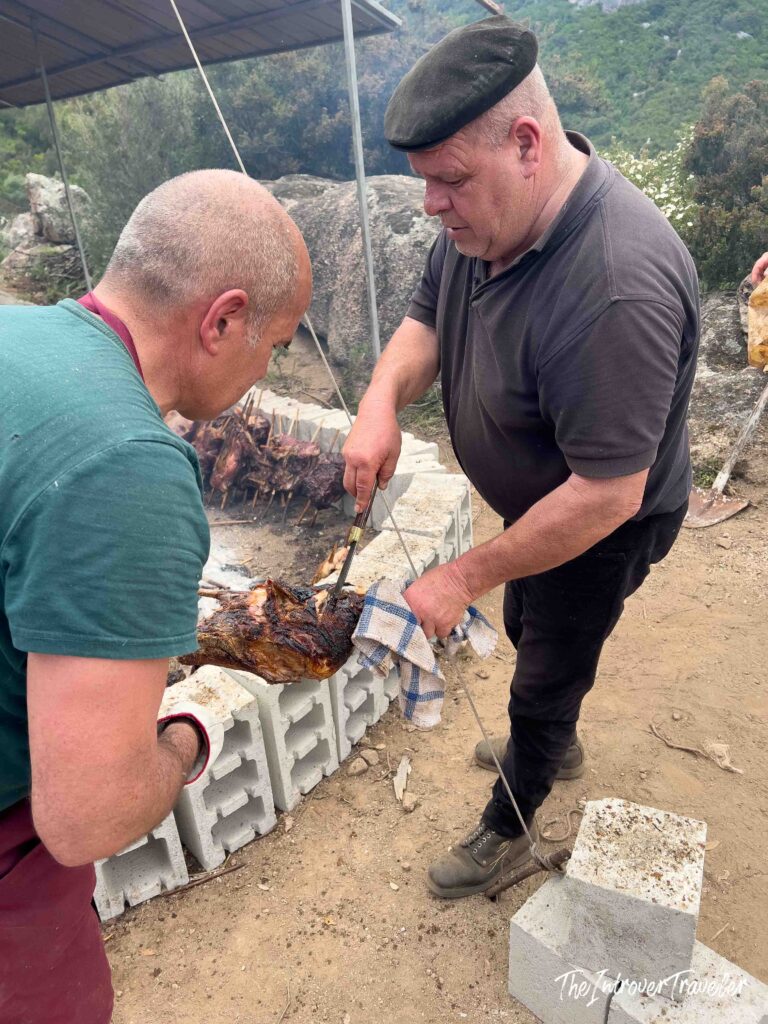
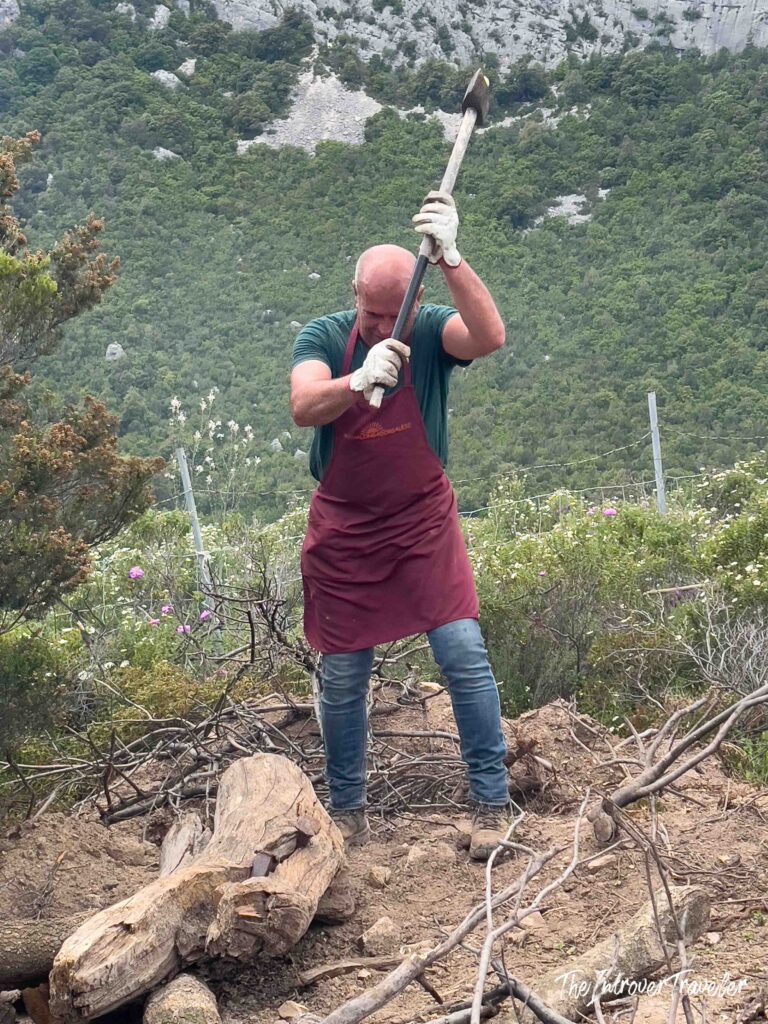
The suckling pig deserves a discussion of its own, because at the Magnalonga it is not a simple dish but a small spectacle. Cooking suckling pig over embers is a deep element of inland Sardinian culture, a gastronomic rite that demands time, patience, and craft. And at the Magnalonga things are done on a grand scale: a brazier some ten metres long is set up, on which dozens of suckling pigs are cooked at once, tended by numerous shepherds who devote themselves to the task with a dedication impossible not to notice. They turn the spits, adjust the embers, check the browning, in a collective, folkloric scene that is worth the stop on its own. The result is a first-rate artisanal product: meat crisp outside and tender within, slow-cooked the way it was and still is in the houses and folds of the Supramonte. For anyone who does not know this tradition, seeing it at work on that scale is a piece of authentic Sardinia hard to forget.
A borderline experience for an introverts’ blog (but a thumbs-up)
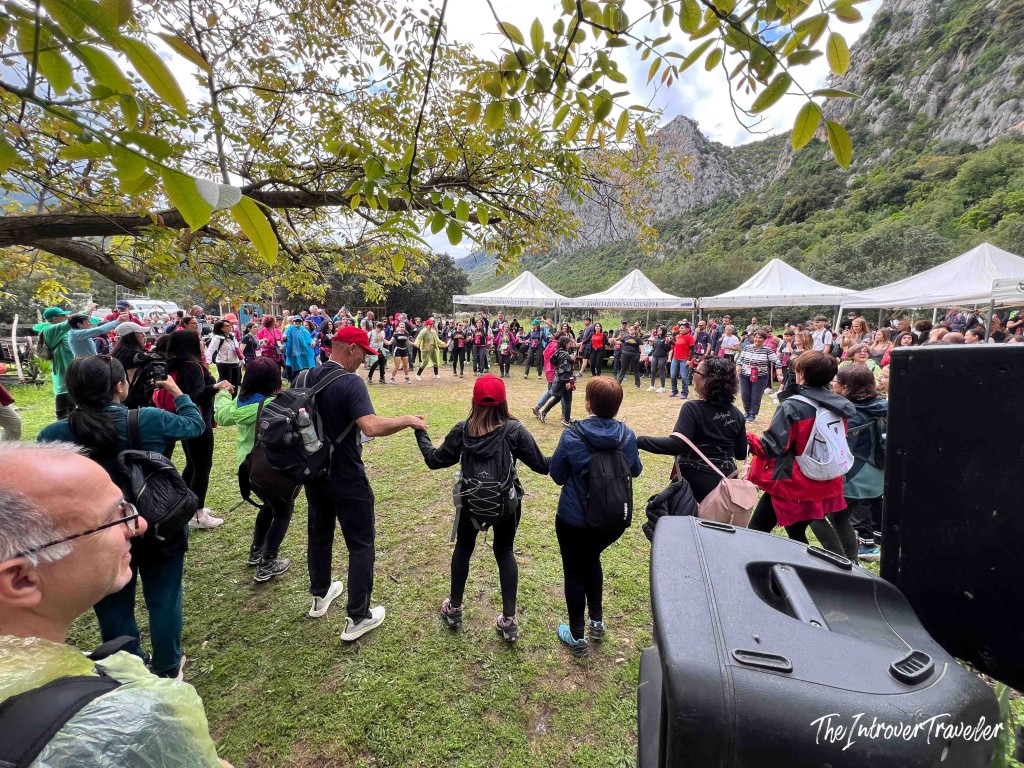
I have to be honest: on a blog called The Introvert Traveler, the Magnalonga is a borderline experience. You spend the whole day among hundreds of people, you walk in a group, you eat in company, and the convivial side is not an accessory but the very heart of the event. For someone who, like me, usually gravitates toward deserted trails and museums on weekdays, it is a small leap out of the comfort zone. And yet it is more than tolerable, in fact: the collective dimension here is not intrusive, because the group spreads out along the route and there are stretches of walking where you find yourself almost alone, with the landscape and little else. Let us say it is proof that even a committed introvert can allow himself, once a year, a day of communal celebration without regretting it.
Among the moments that make this collective dimension special, I should mention the performance of a local Sardinian-chant choir which, at least in the edition I took part in, accompanied one of the stops. The polyphonic singing of the Sardinian tradition, heard live in the middle of that landscape, is something splendid, one of those things that on their own justify the price of the ticket and that remind you why it is worth being among others, every now and then.
Who it is suitable for
This is the point I want to make clear, because it is what makes the Magnalonga different from a proper hike. It is not physically demanding. The route is easy, designed to be accessible to everyone, families and children included. I can confirm it with concrete proof: I did it the day after walking the Gorropu gorge, I was exhausted from the day before, and I completed it without any problem. If a person with legs wrecked from the previous day’s hike can do it, anyone with a normal ability to walk for a few hours on easy ground can.
The only warning is common sense: it is still 9 to 10 kilometres in the open air, so you need comfortable shoes (no trekking gear required, but no flip-flops either), a hat, and a bottle of water. Anyone seeking solitude and absolute silence had better go to Gorropu on a weekday; anyone wanting a cheerful day of good food and fine landscape in company is in the right place.
Is it worth it?
Yes, and with conviction. The Magnalonga of Dorgali succeeds at something many food events promise and few deliver: using food and wine as a key to making a territory known, without rhetoric and without sermons. You walk in a magnificent landscape, you eat excellently and variously, you pay a fair price for what you receive, and in the end you go home having understood something about Dorgali that no restaurant could have conveyed. If you are in the area at the right time, book and go. It is one of those days that stay with you.