Last visit: December 2025
My rating: 9/10
Duration of visit: 4 hours
In Manhattan, everything tends toward height, speed, and saturation. Lines rise, sounds overlap, passersby quicken their pace as if space were never enough. Then, suddenly, Central Park opens up. A precisely calculated rectangular shape, traced like a pause in the city’s weave. It doesn’t exist in contrast, but in integration: it is not the opposite of New York, but one of its possible forms.
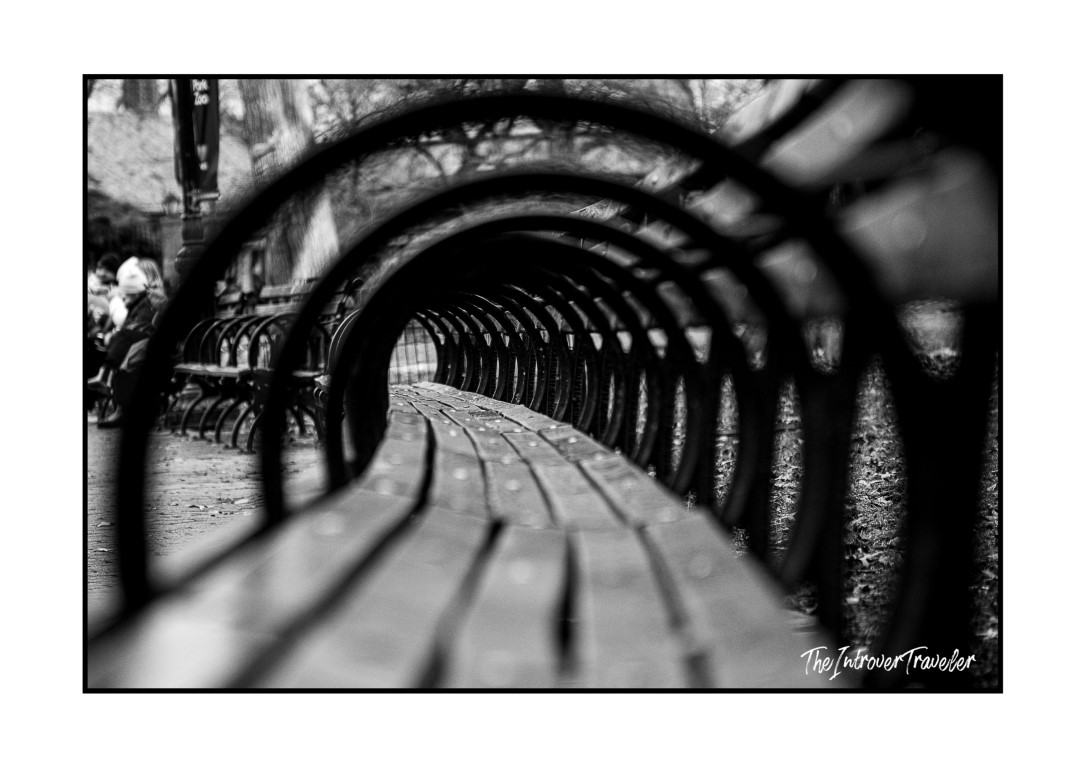
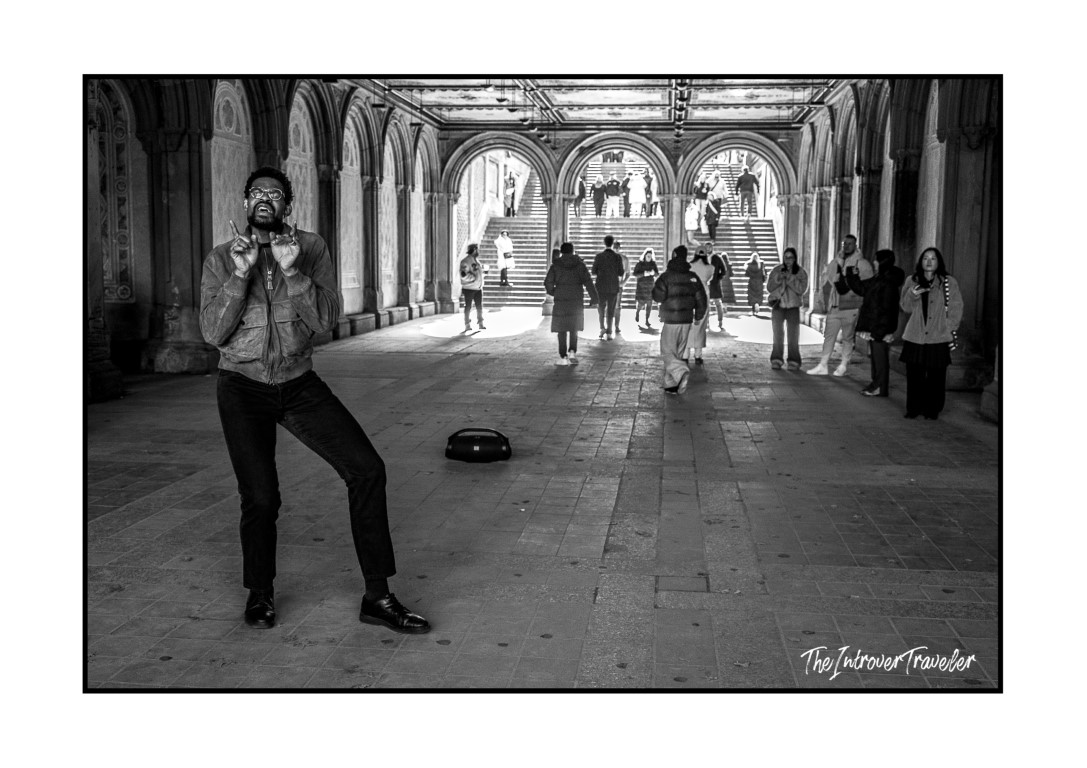
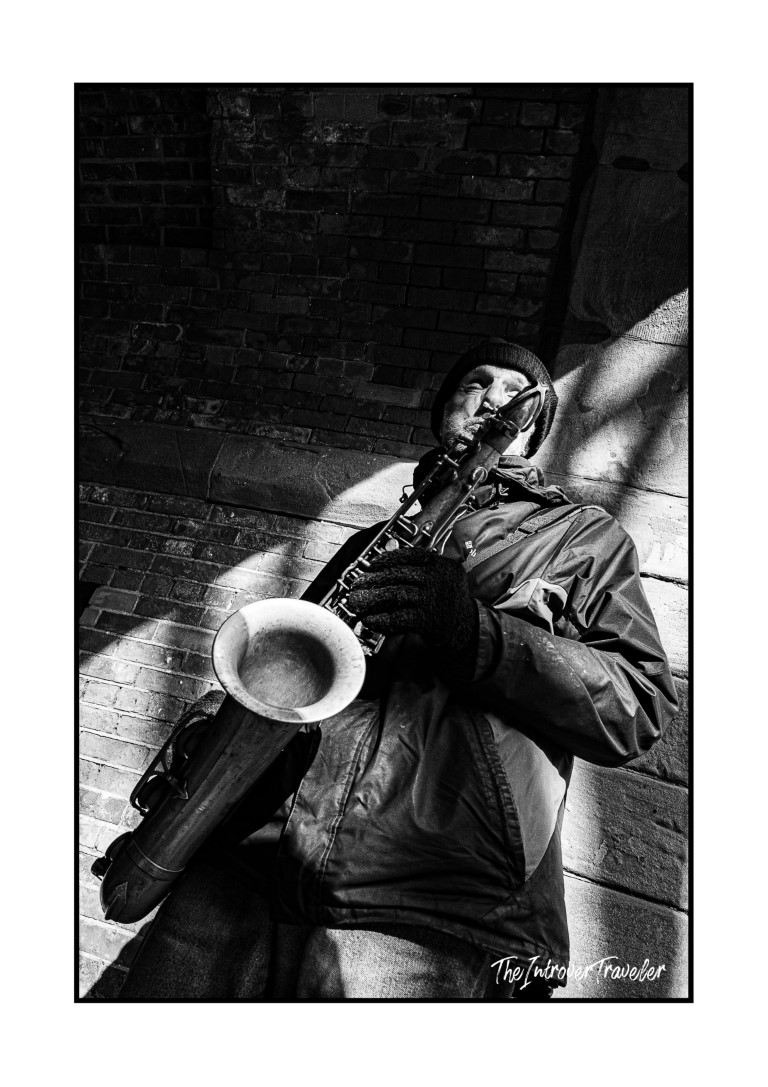
Walking along its paths, you get the feeling of entering a system governed by different laws. The geometry of the park is clear-cut, yet what happens inside follows a subtler logic: the logic of the unexpected. A saxophonist under a bridge, a chess match under a colonnade, a clearing that changes color with the seasons and makes even the surrounding asphalt seem temporary; nature is so powerful and lush that, despite the glass and concrete titans looming on every side, at times you can truly lose awareness of being in the most anthropized place on Earth and believe you are in a luxuriant forest.
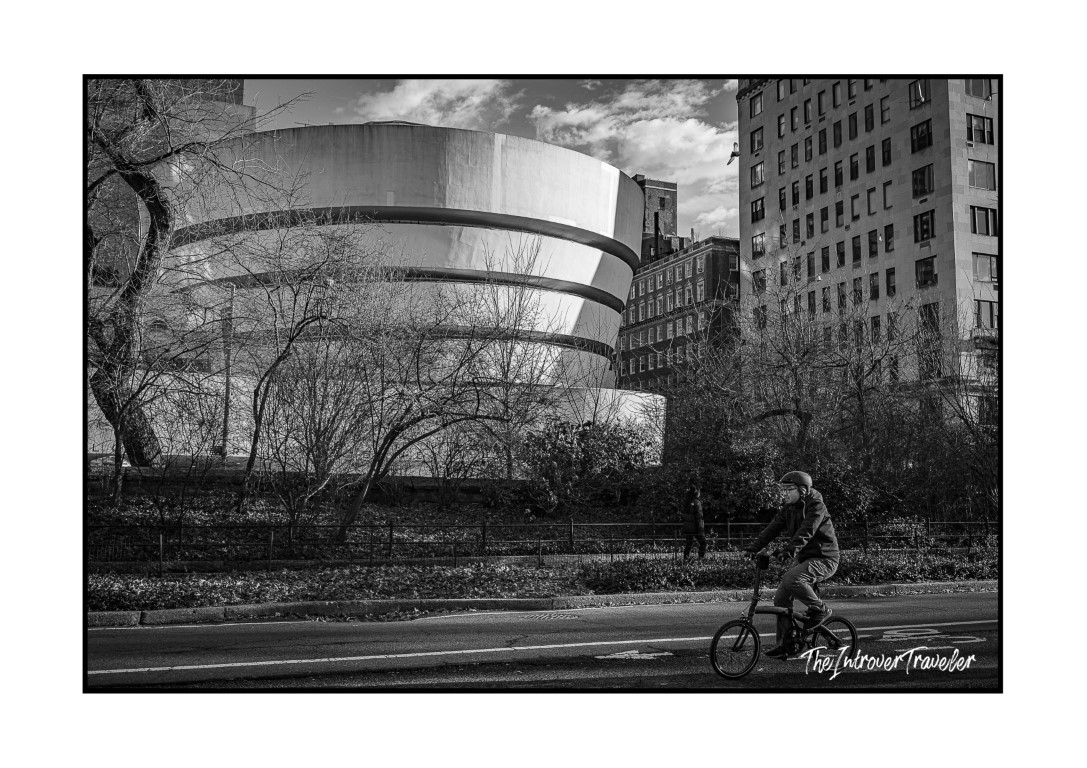
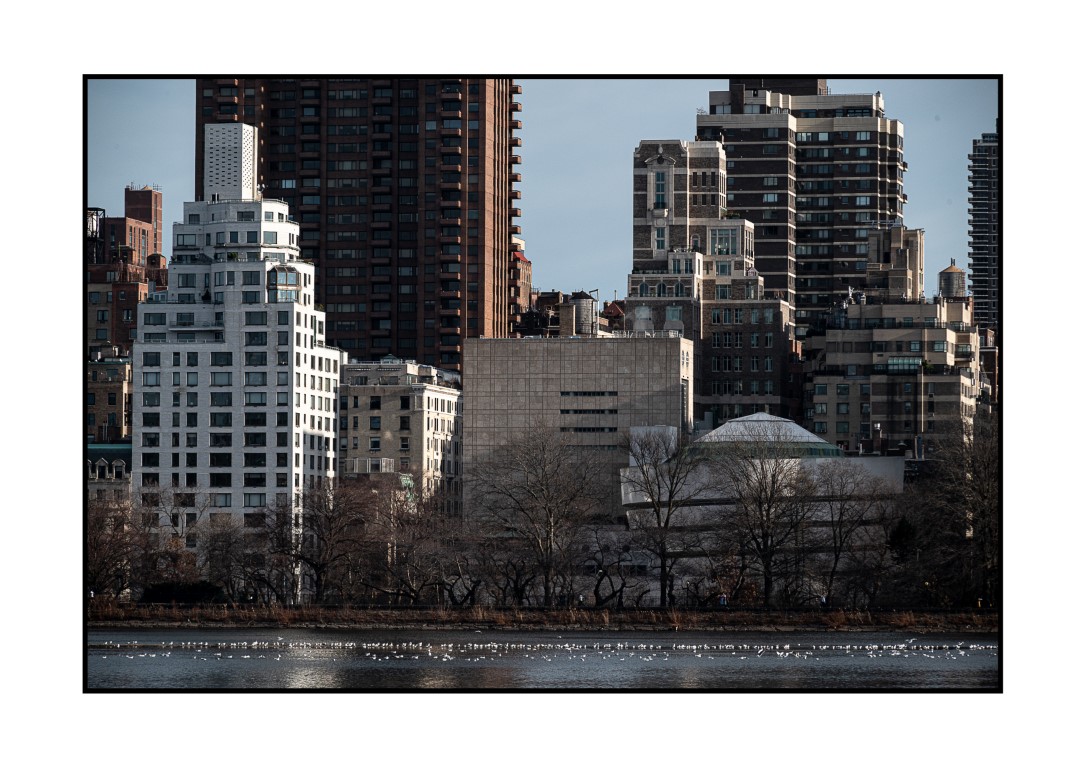
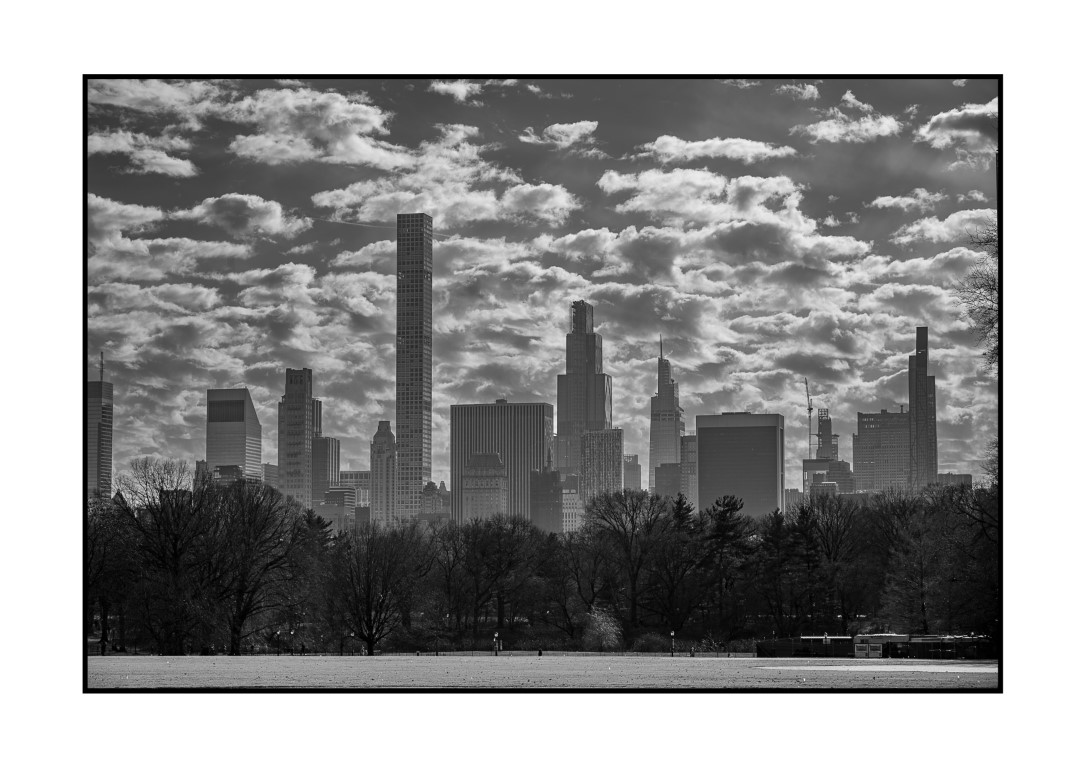
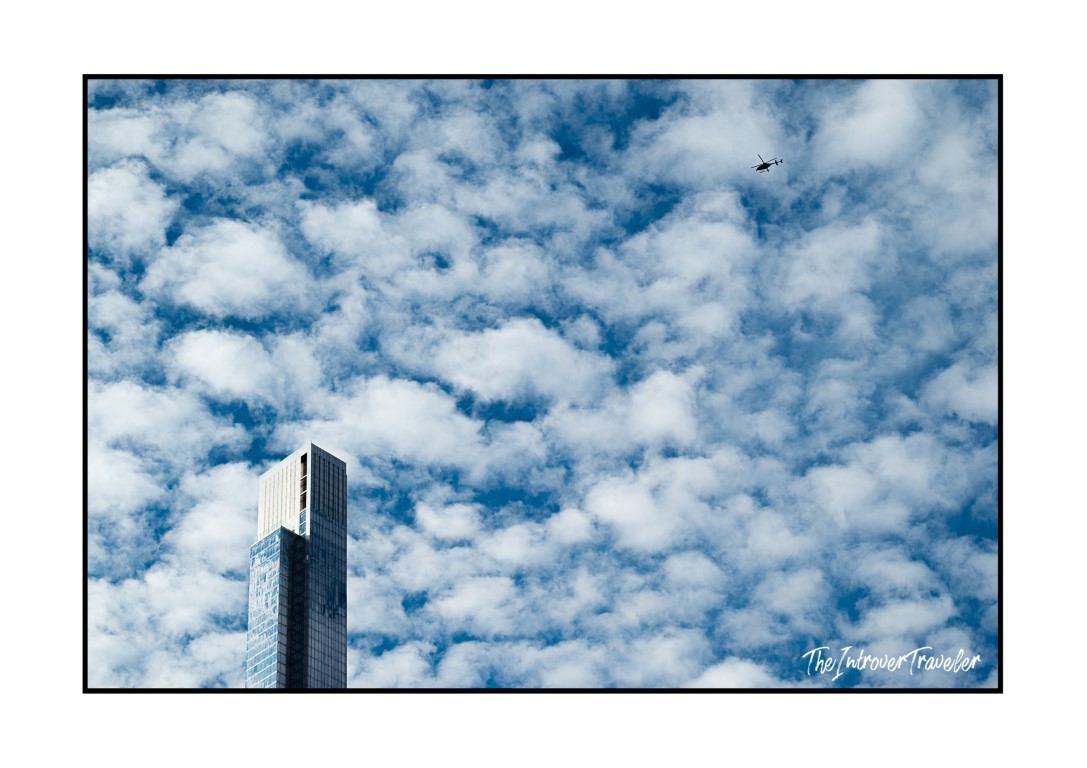
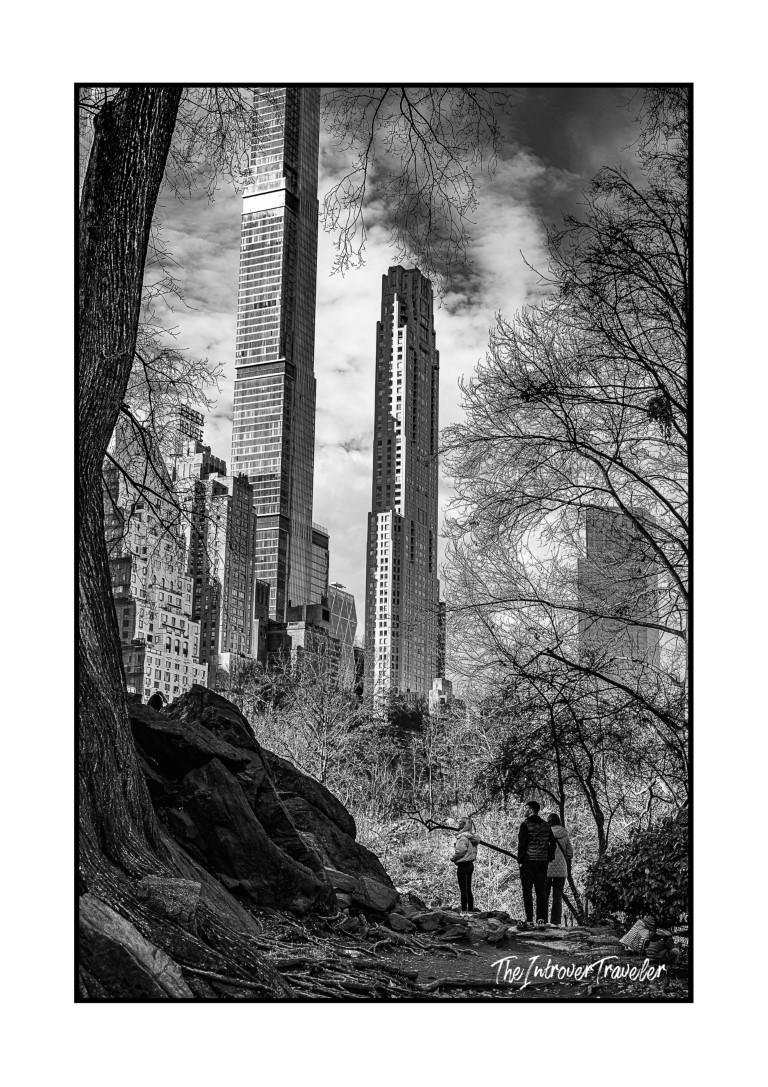
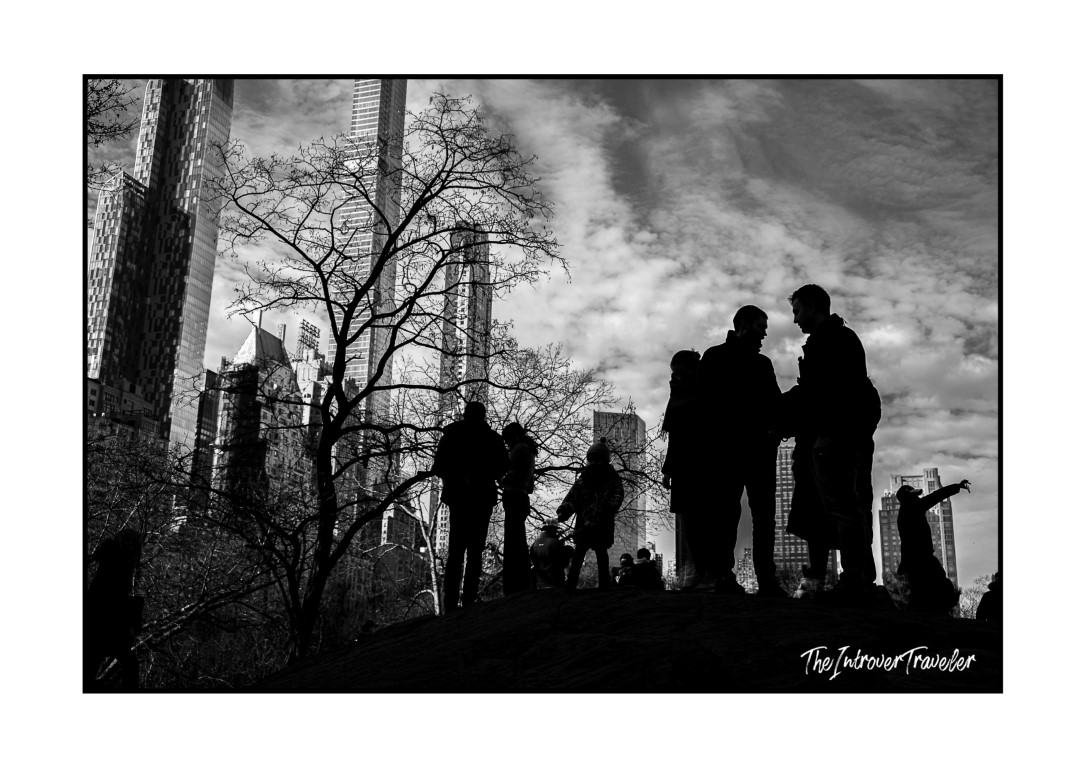
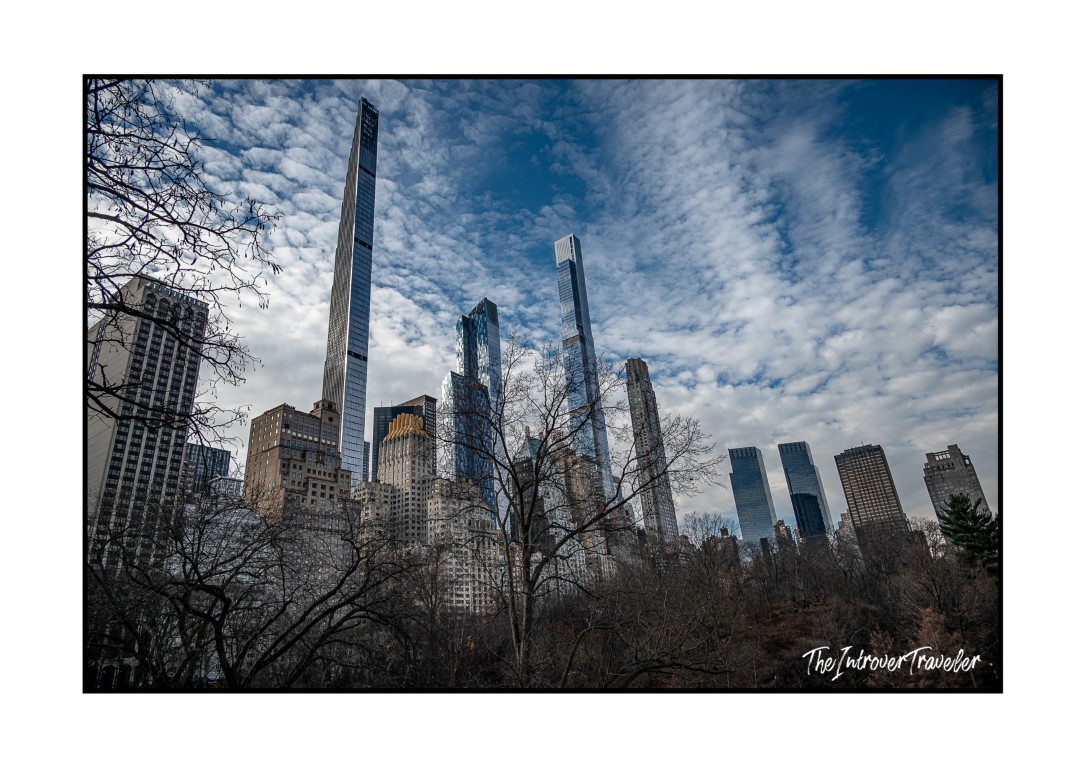
The park doesn’t isolate you from its context—it reinterprets it. Through the branches, you catch glimpses of the glass facades of the buildings, which for a moment stop imposing themselves and start reflecting. The skyline is no longer a vertical aspiration but a presence that accompanies you, distant yet close. From certain angles, the Guggenheim Museum appears among the trees like an object casually left there, even though you can sense that nothing in this landscape is accidental.
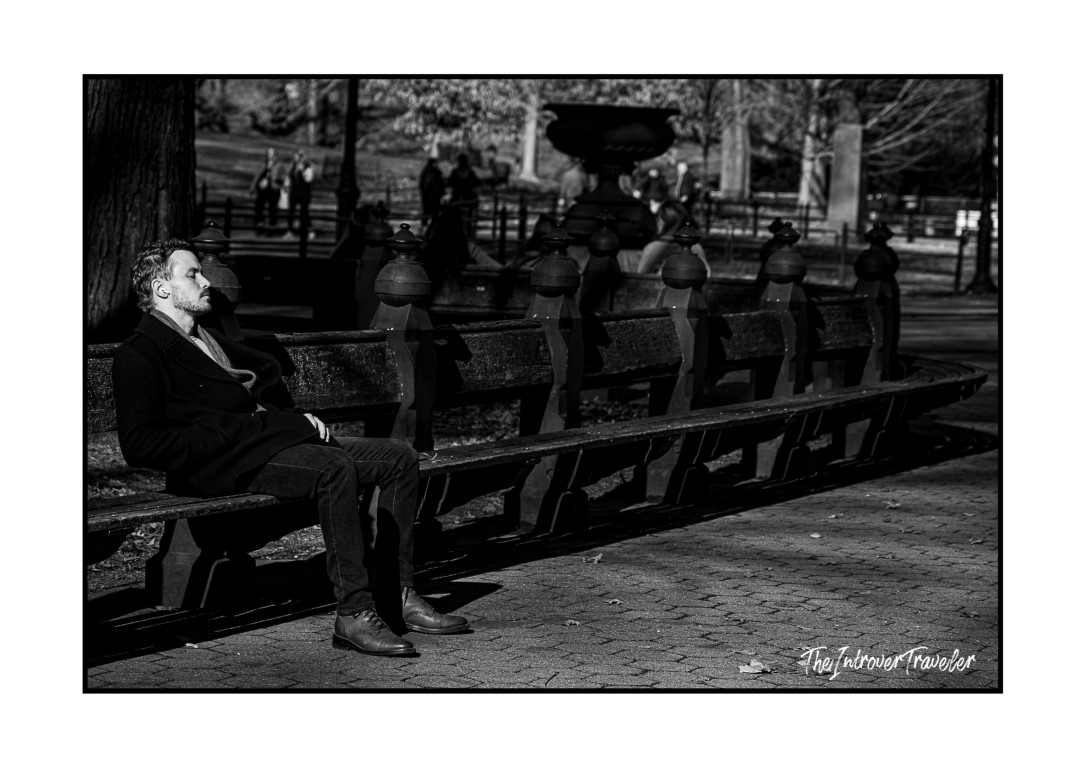
Central Park is a place crossed by many functions, but it doesn’t exhaust itself in any of them. It’s not just a space for leisure, nor merely an urban symbol, nor simply a garden. Rather, it’s a pause inserted into the very structure of the city: a pause not meant to interrupt, but to let it breathe. A pause designed to be filled, day after day, with ordinary gestures. Running, reading, talking, being.
In a context where everything tends toward movement and transformation, Central Park maintains a stable form. But it is precisely this stability that makes it open to the constant changes of gazes, seasons, and lives inhabiting it. It is a place that doesn’t impose itself: it lets itself be crossed, towering over its visitor with its majestic beauty.
This article is part of my New York series. If you are planning a visit, you may also want to read my complete New York travel guide.