The Met at a glance
- Founded: 1870
- My last visit: January 2025
- My rating: 7/10
- Visit duration: from 10am to 9pm
- Recommended visit: 1-2 days minimum
- Location: 1000 5th Avenue, Upper East Side, Manhattan
- Collection: ~1.5 million works, all major periods and cultures
- Best days: Friday and Saturday (open until 9pm)
- Closest subway: 86th Street (4/5/6 lines)
- Web: metmuseum.org
Booking your visit to the Met
Booking online is recommended to avoid queues, especially on weekends and during summer.
- Skip the line ticket: https://getyourguide.tp.st/B5UQjamj
- Guided tour: https://tiqets.tp.st/otFUmNS7
- New York City Pass: https://tiqets.tp.st/wcIggNH9
- New York museums bundle: https://tiqets.tp.st/gEfjp2XO
The Metropolitan Museum of Art in New York, known simply as “the Met”, is one of the most important museums institutions in the world. Founded in 1870, the museum is distinguished by the breadth of its collections, which range from classical antiquity to modern art.
This post is the result of my visit to the MET in January 2025.
The first conclusion I came to when planning my visit, confirmed in hindsight, is that the MET is too much, too big, to be able to think of visiting it in just one day; having only one day available, therefore, I studied the museum’s collection in depth, making a selection of the areas to visit and those that for me were dispensable. Below I propose the itinerary of the visit that I suggest, which is obviously conditioned by my taste and my interests; I do not pretend that the itinerary that I have selected is valid for everyone, but I suggest that anyone visiting the MET with only one day available consult the museum map, the works on display and arrive at the museum already with clear ideas on what they want to see and what they are willing to ignore.
The first suggestion, which is almost a must, is to visit the museum on Friday or Saturday, when the opening hours are extended until 9 pm (at least today); on other days, the closing time at 5 pm requires a visit of the museum that is little more than cursory.
This article is part of my New York series. If you are planning a visit, you may also want to read my complete New York travel guide.
You can buy a skip the line ticket here from Tiqets.
How to Plan a One-Day Visit to the Met
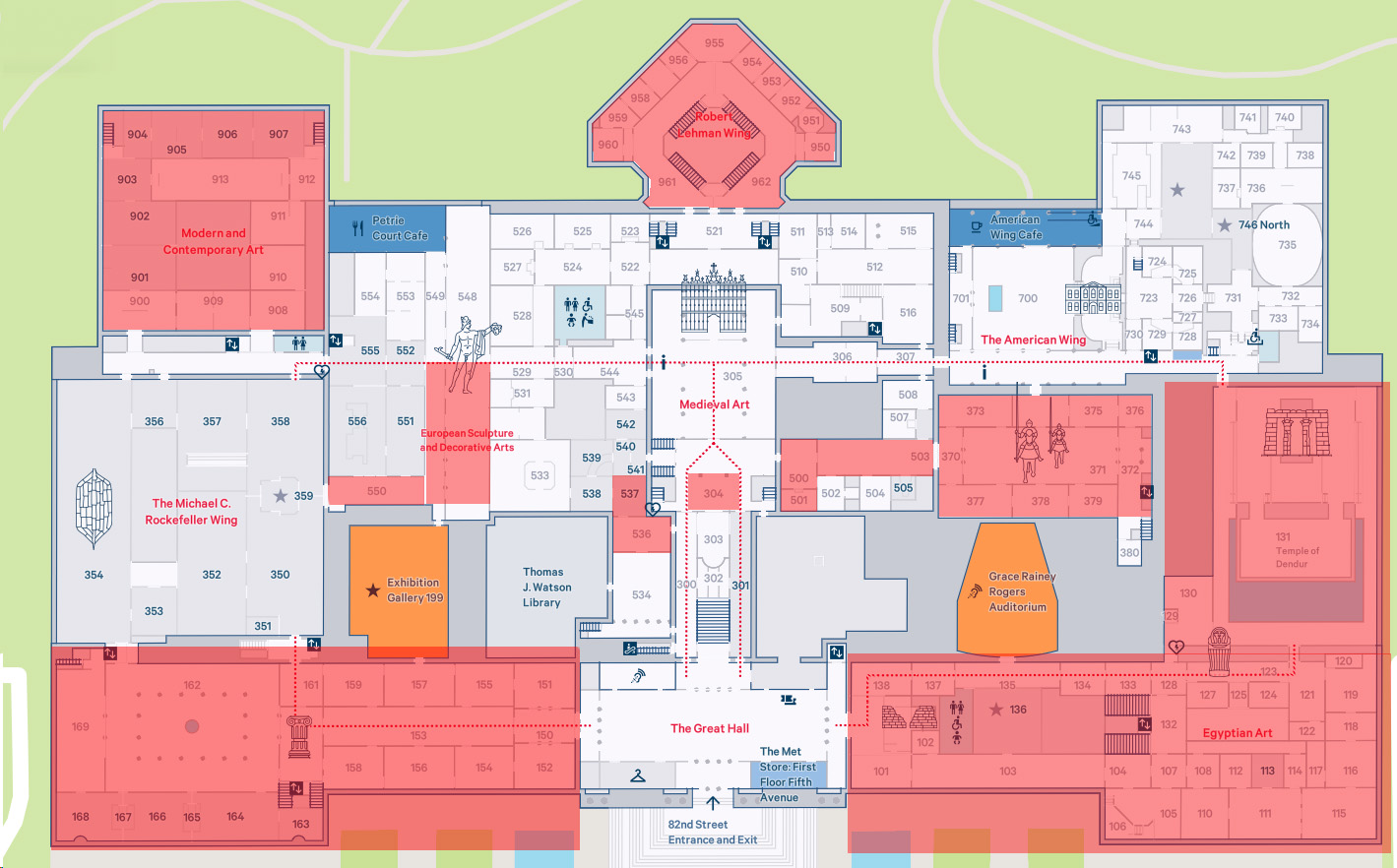
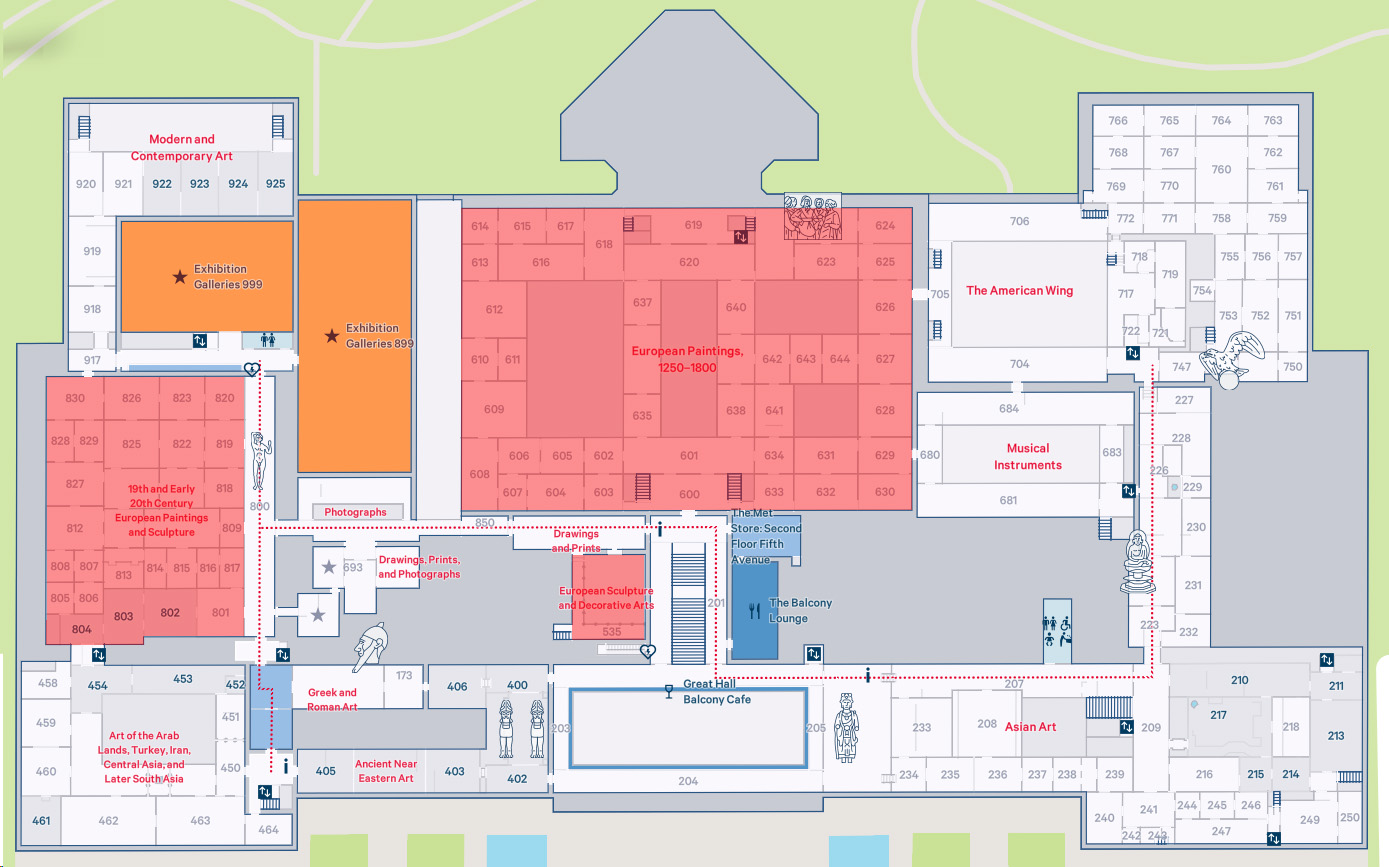
In the maps below I have marked in red the areas of the MET that I consider to be of greatest interest, commenting on them below in detail.
In 11 hours of visiting, including stops for meals and a few breaks to rest my legs, I managed to visit all the marked areas and also make a quick visit to the sections of medieval, Asian and Islamic art; I visited the Greco-Roman and Egyptian sections very quickly at the beginning of the tour, for fear of not being able to complete the visit in just one day; in conclusion I would say that just to adequately visit all the areas marked in red would require two days, while a whole day is enough if you quickly go through the less eye-catching rooms, stopping only at the works of greatest interest.
The Greek and Roman Section at the Met
As soon as you enter the MET I think it is natural to go either left or right, where two of the most important areas are located, namely the Greco-Roman section (on the left) and the Egyptian section (on the right).
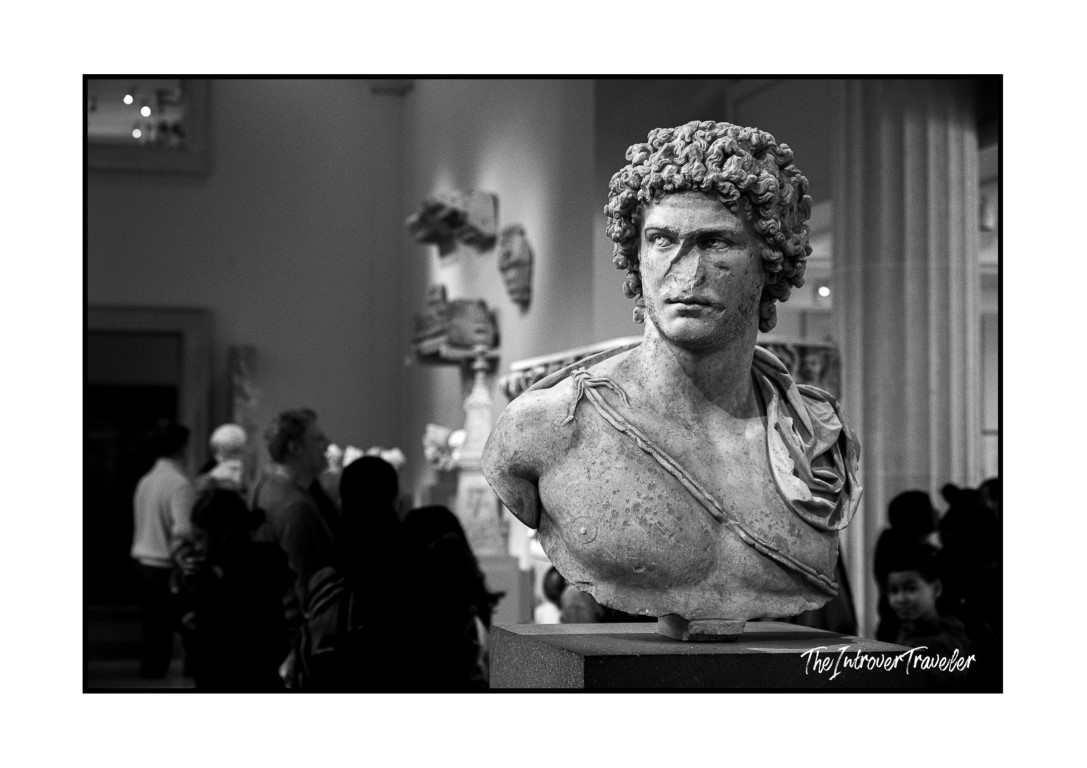
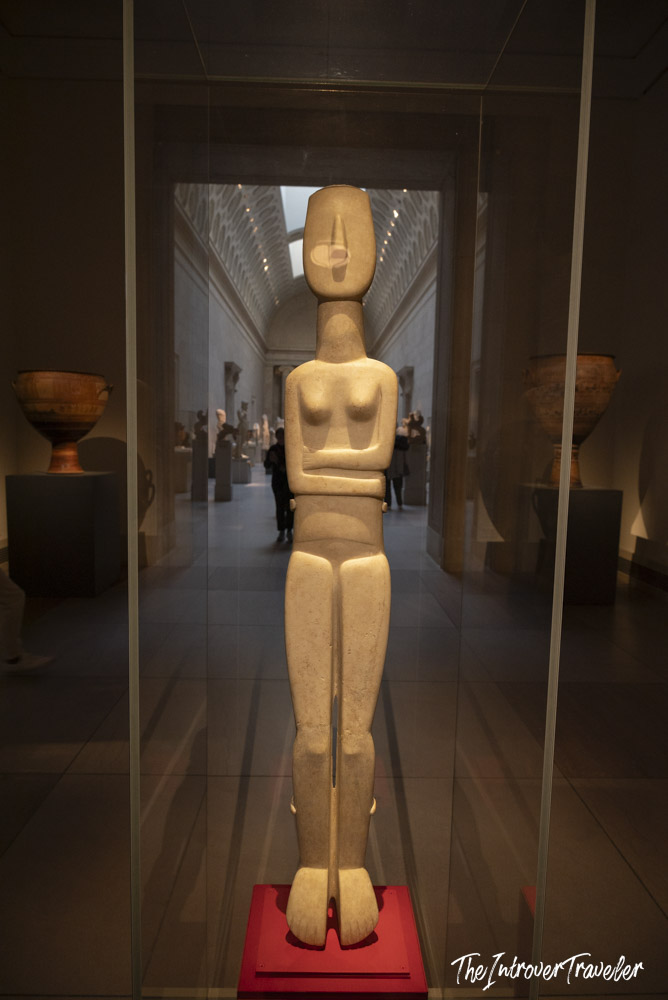
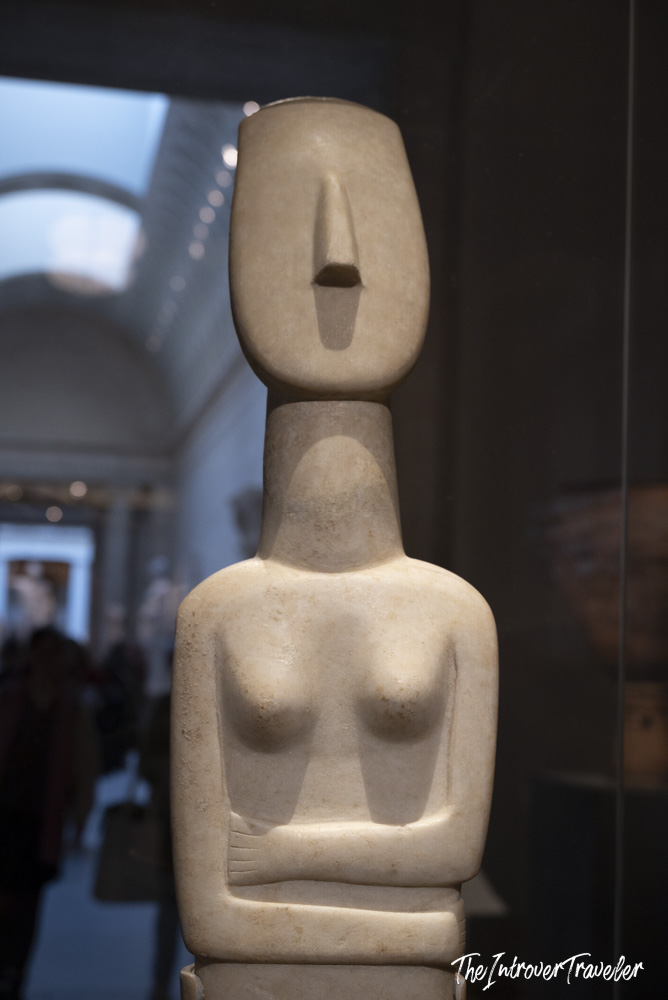
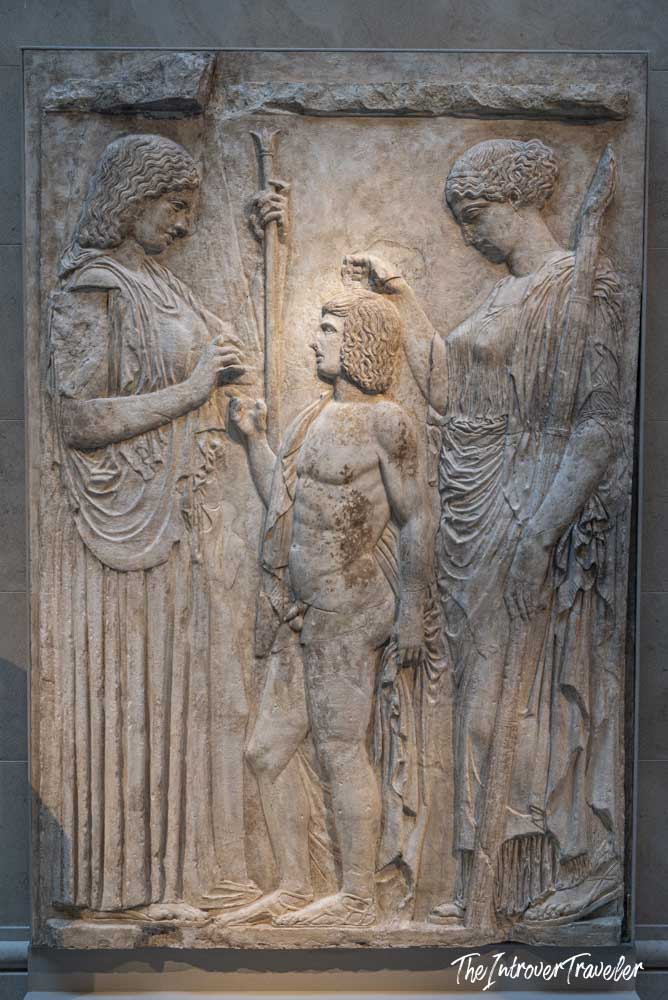
The art of classical antiquity finds a rich and documentary representation at the Met. The impressive collection of Greek and Roman sculptures offers a journey through the evolution of the plastic form, from archaic rigidity to Hellenistic naturalism. Among the most significant works are the Attic funerary sculptures, which testify to the refined aesthetic sensibility of classical Greece, as well as the Roman marble portraits, which reveal the tension between idealization and realism typical of the imperial era.
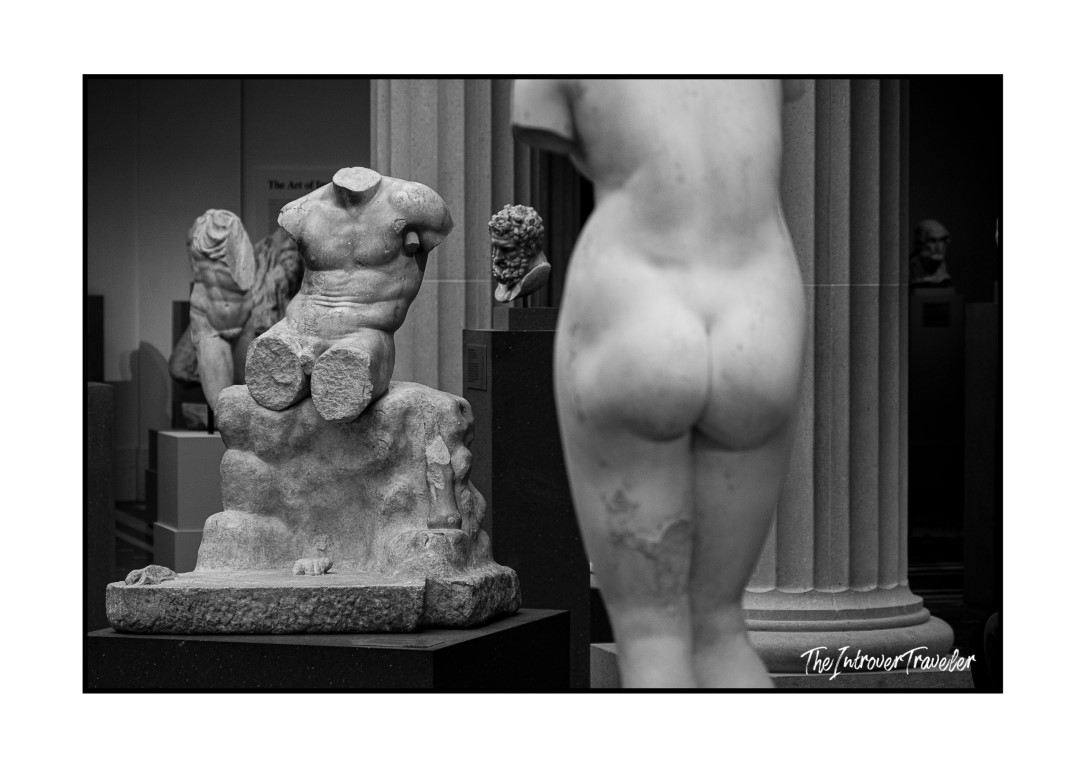
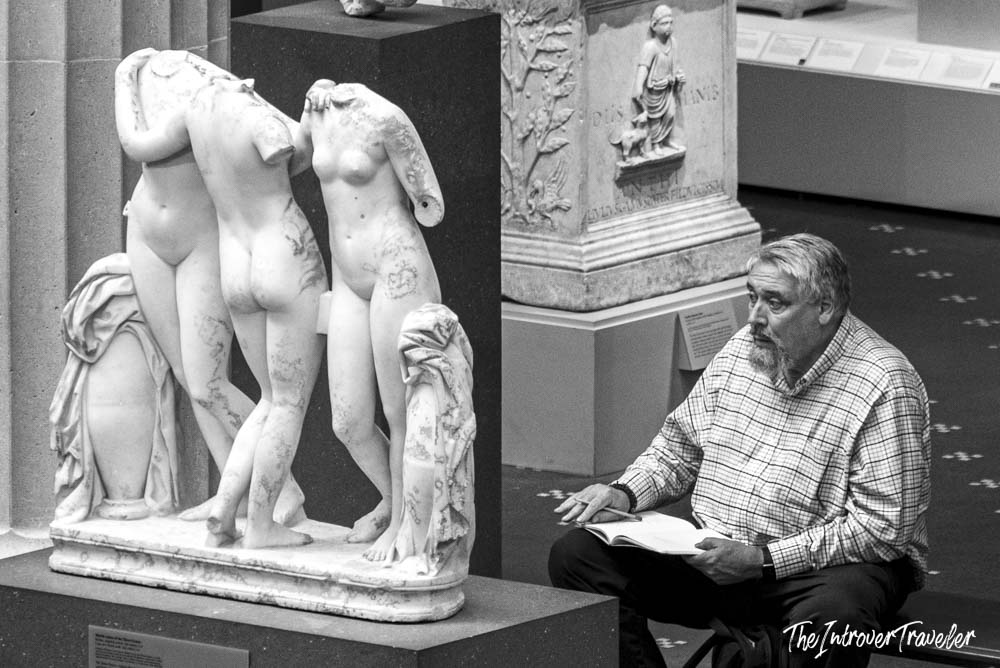
One of the most interesting elements of the section is the collection of Attic black- and red-figure vases, which allows us to understand the stylistic and iconographic evolution of Greek ceramics. The decorative repertoire, with mythological scenes and epic narratives, serves as a direct testimony to the culture and religiosity of the ancient world. Particularly noteworthy is the Euphronios krater, a masterpiece of red-figure pottery that illustrates the technical mastery and narrative depth of Attic artists.
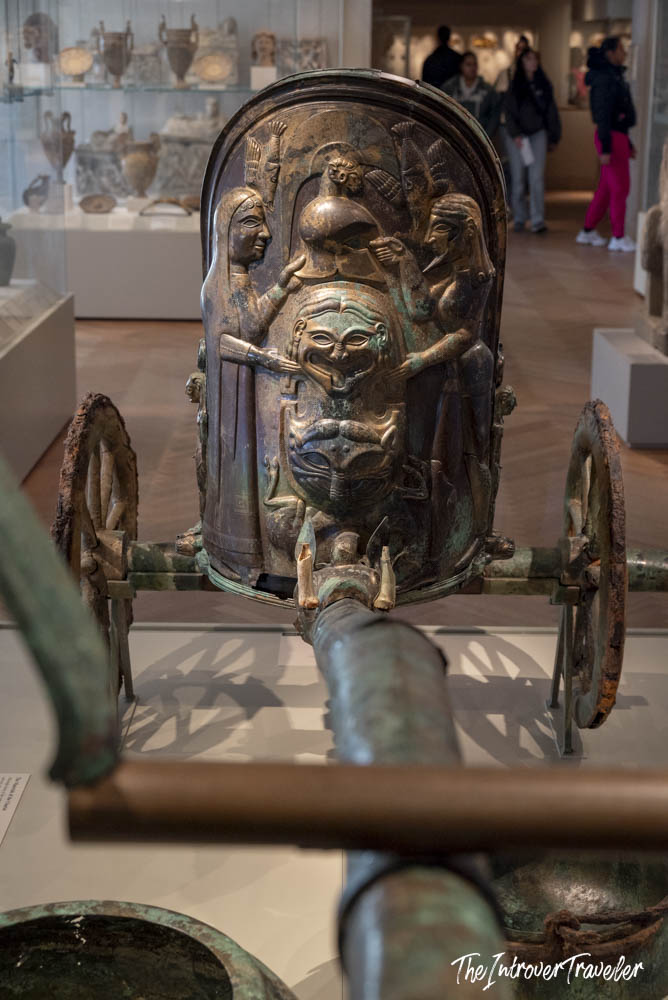
Among the most extraordinary pieces in the Greco-Roman section, the Monteleone Chariot stands out as a true masterpiece of Etruscan art. This refined 6th-century BC chariot, decorated with bronze leaf reliefs depicting mythological scenes, embodies the technical skill and symbolic richness of Etruscan civilization. Every detail, from the finely crafted wheels to the figures sculpted on the body of the chariot, conveys a sense of power and prestige, making this find not only an artifact of extraordinary beauty, but also a testimony to the complex artistic and funerary culture of the Etruscans. Its perfect preservation and the elegance of its decorations make it one of the most astonishing wonders in the entire Met.
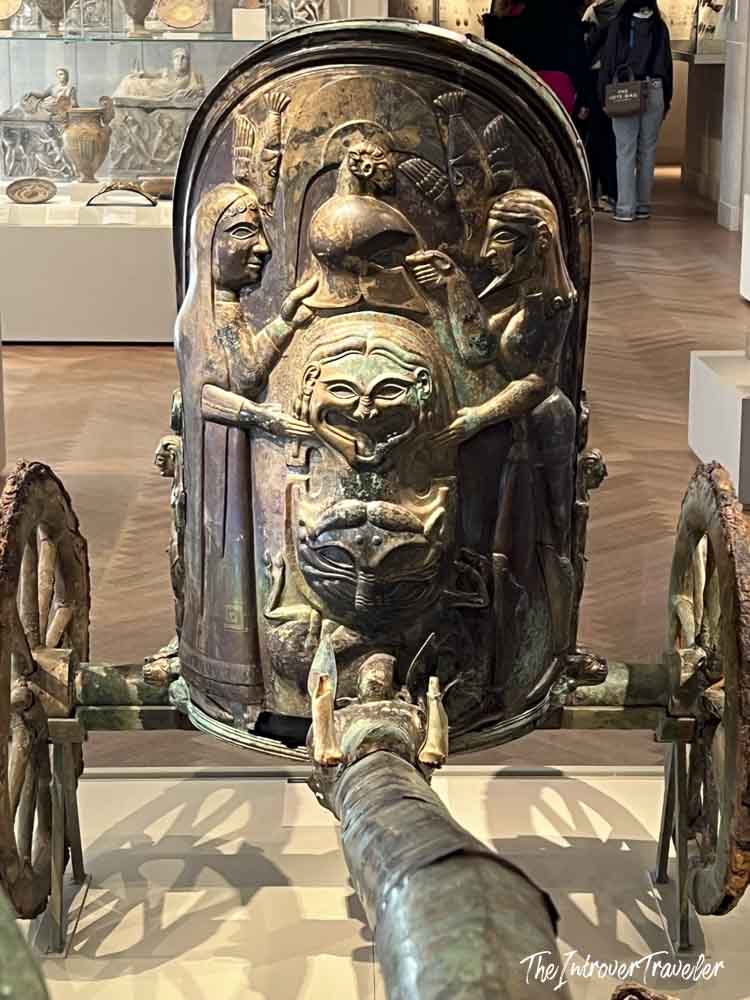
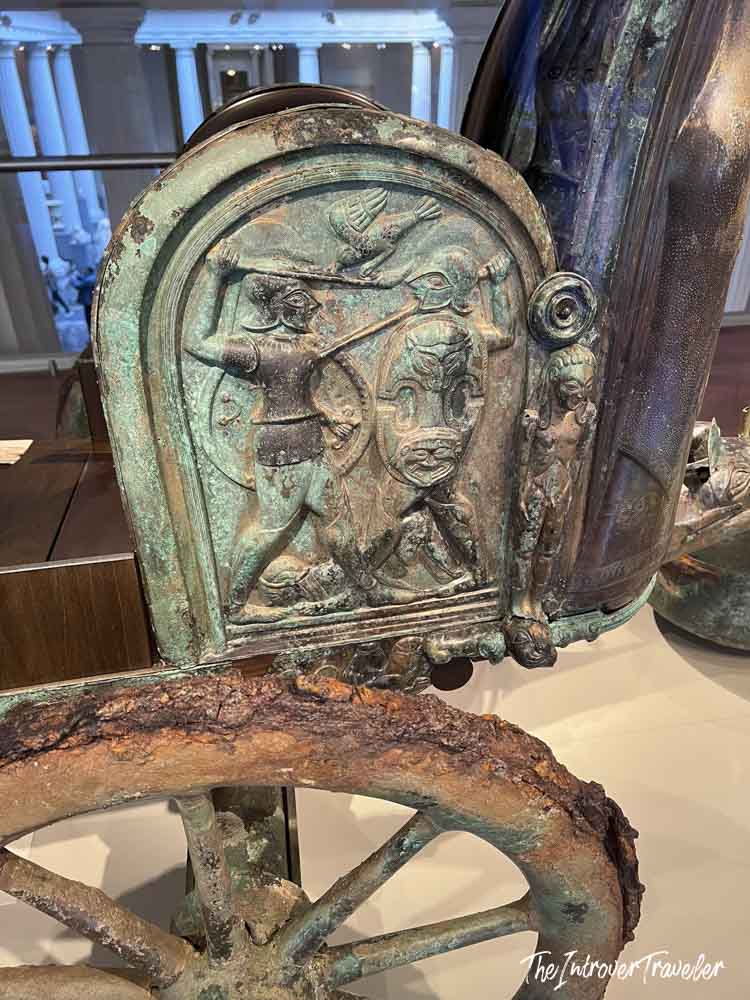
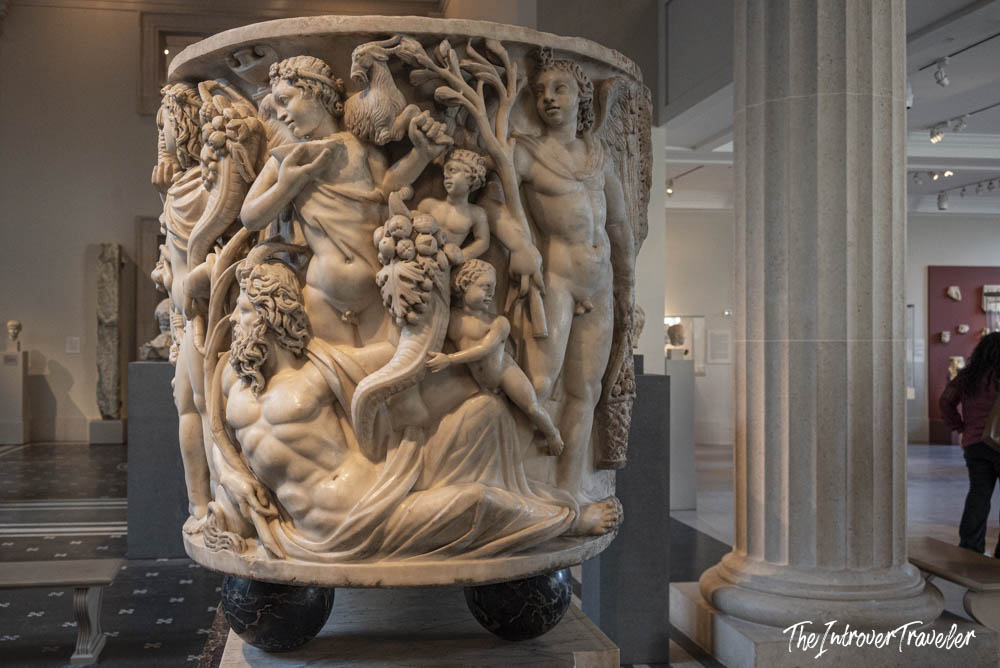
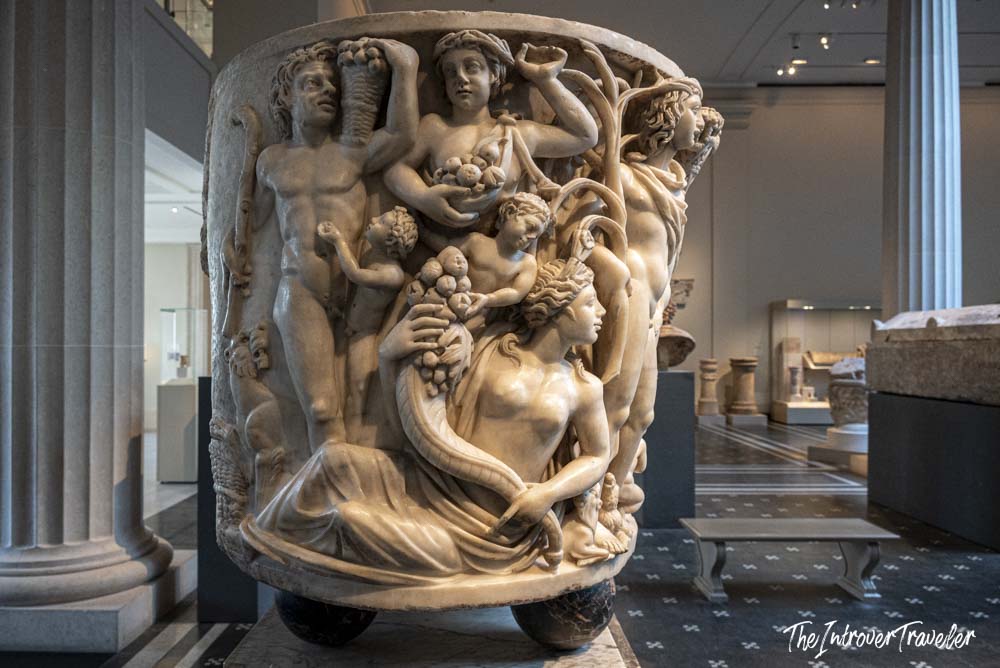
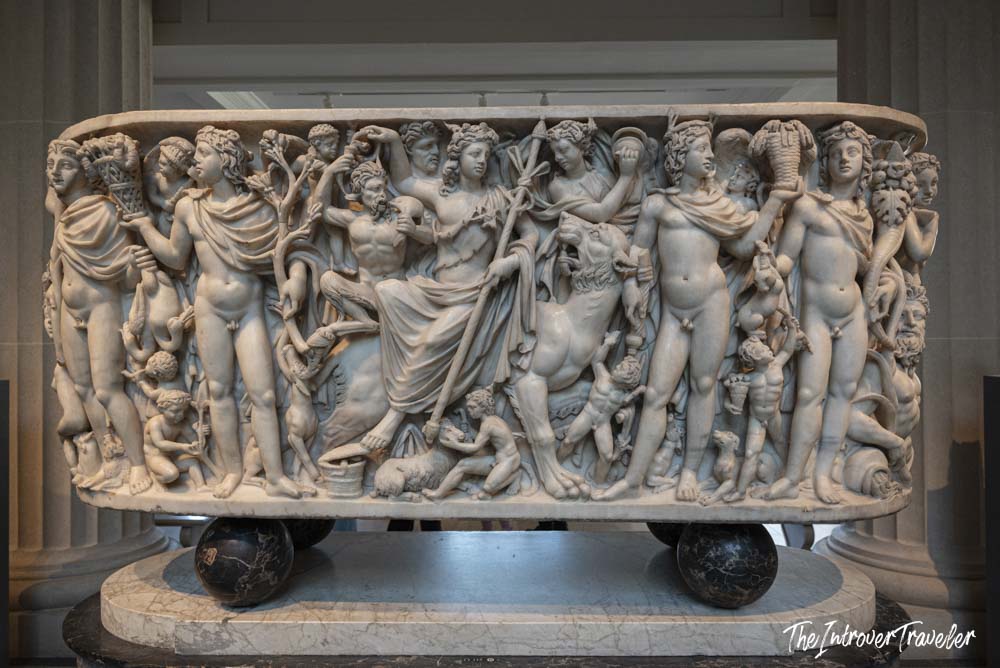
Among the other works that I consider worthy of note in the Greco-Roman section, I would like to point out the Roman sarcophagus with the triumph of Dionysus, dating back to the 2nd century AD, of very fine workmanship.
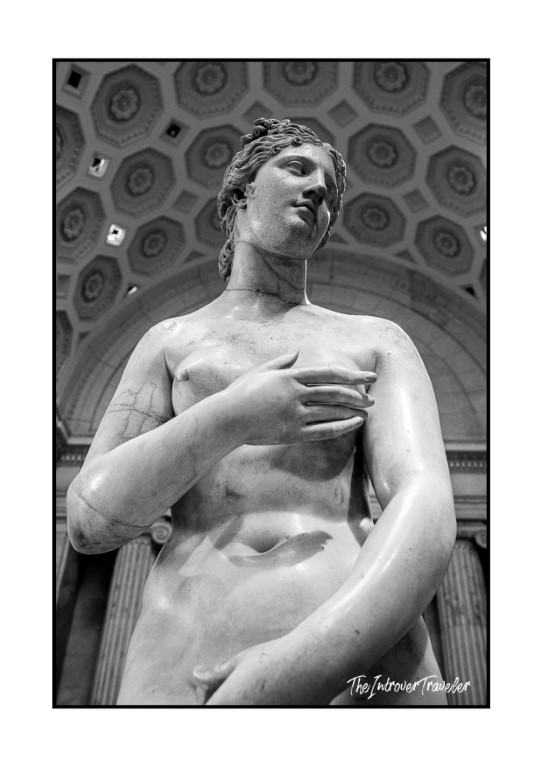
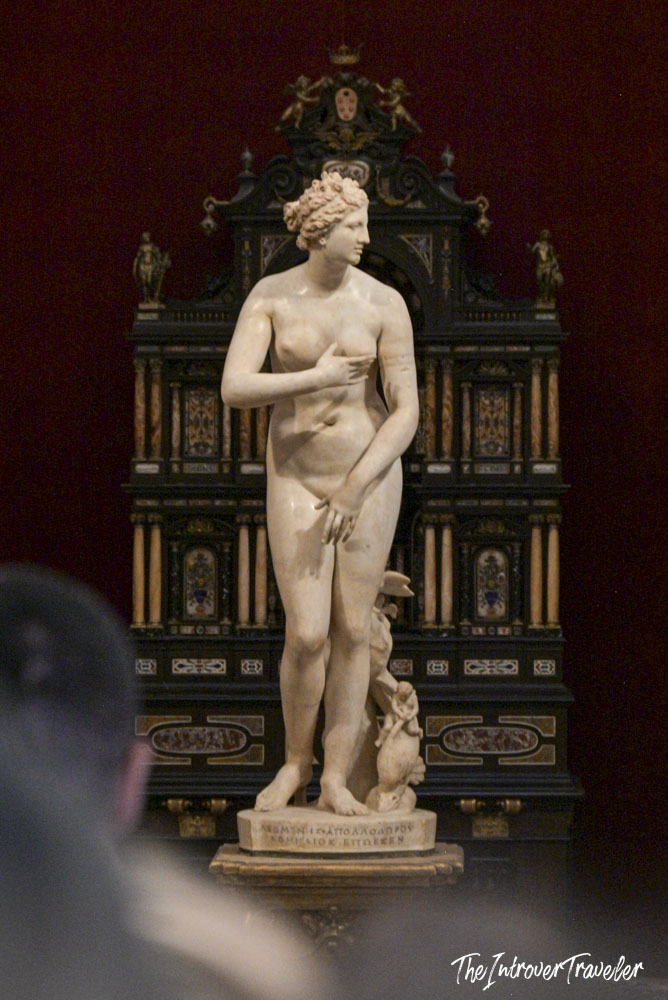
In the central corridor of the Greco-Roman section there is also exhibited a valuable copy of a recurring model in Roman statuary, which has its most famous example in the so-called Capitoline Venus and in the so-called Venus de Medici exhibited in the Tribuna of the Uffizi. The copy currently on display at the MET was purchased by a private individual at a Sotheby’s auction in 2021 and will be on loan to the MET until 2028.
As I said, I spent relatively little time visiting the Greco-Roman section, which does display some splendid works; however, if you wanted to visit the entire MET in a day, I think it would be difficult to dedicate more than an hour to the Greco-Roman section, which requires you to move quickly through numerous rooms, dedicating yourself exclusively to a few works, among which I believe those highlighted are some of the most important.
The Egyptian Section and the Temple of Dendur
Egyptian art is one of the Met’s most renowned areas, both for the quality of the works on display and for their scenographic display. The exhibition path allows for a close-up look at the stylistic continuity of Egyptian art, which remained remarkably consistent for over three thousand years. The collection of pharaonic statuary includes some notable examples, including the diorite statue of Pharaoh Senwosret III, an expression of the solemnity and power embodied by the rulers of the Old Kingdom.
The heart of the section is undoubtedly the Temple of Dendur, a Nubian temple from the 1st century BC entirely reconstructed inside a large room with windows overlooking Central Park. The setting, with natural light filtering through the windows and reflecting on the waters surrounding the temple, is undoubtedly visually striking, even if the contemplation of an entire Egyptian temple wrapped in gift paper, shipped via Amazon with a thank you note attached and reassembled in the middle of New York can only arouse more than one ethical and aesthetic perplexity in the most attentive observer. (Edit: The temple was removed from its original location to save it from flooding caused by the construction of the Aswan Dam; for further details, see the post on the Temple of Abu Simbel).
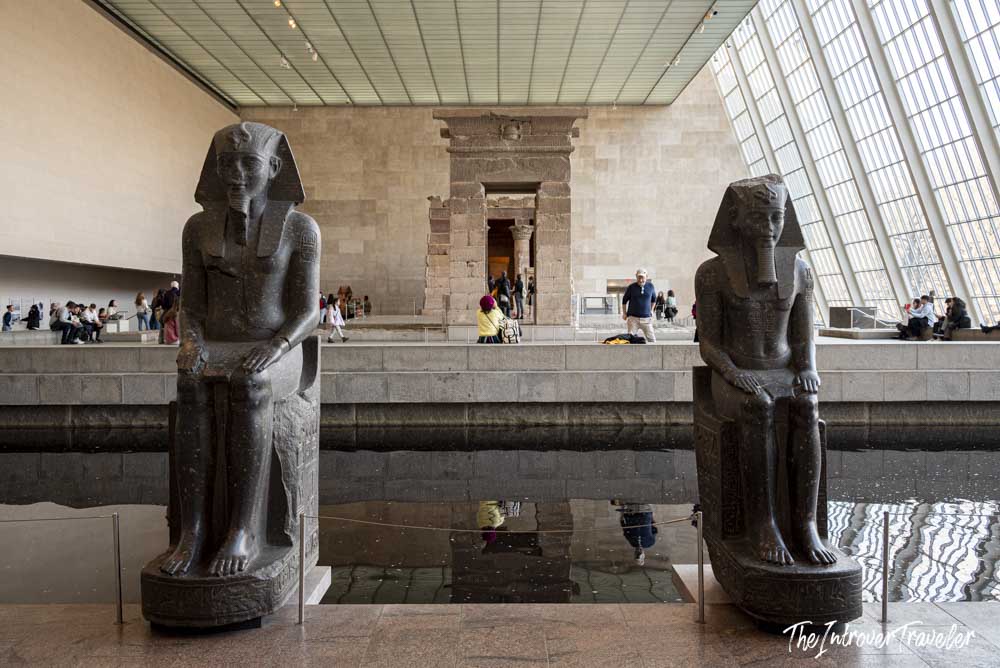
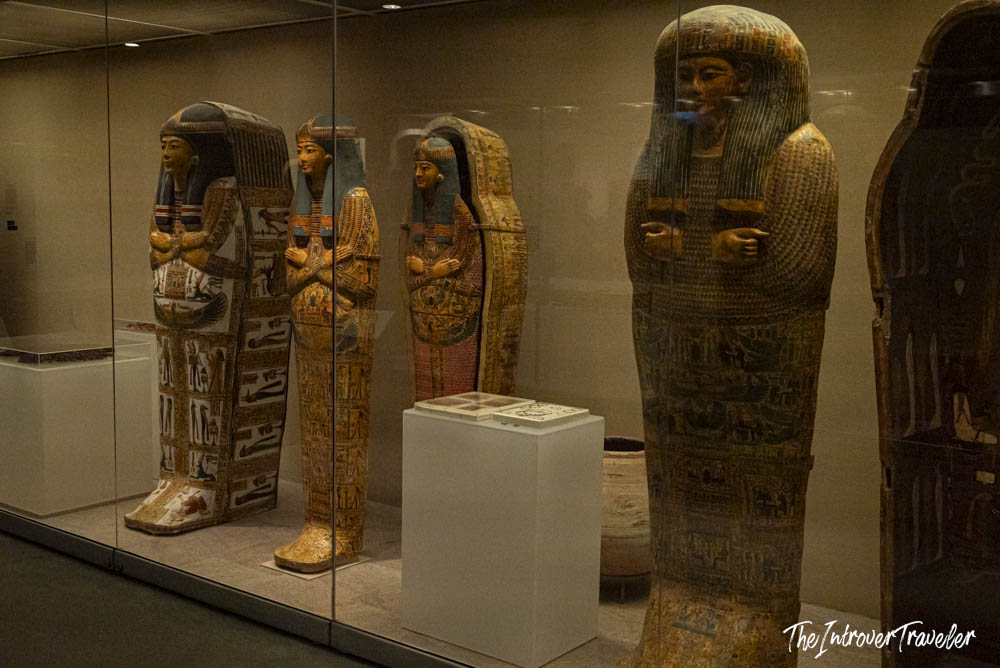
Among the most significant objects in the collection are also beautifully decorated sarcophagi, painted funerary stelae, and everyday objects that provide insight into the role of art in daily life and the conception of the afterlife. The Met also has a rich selection of papyrus, including fragments of the “Book of the Dead,” which offer a direct glimpse into the spirituality and religious beliefs of the time.
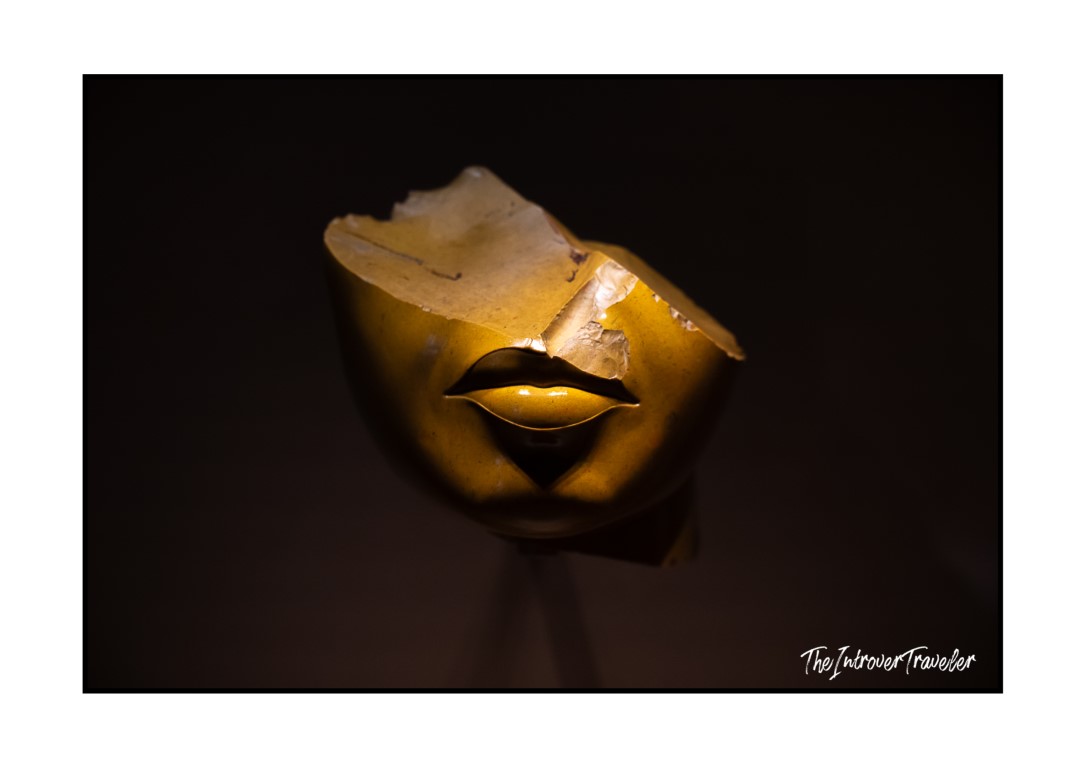
Among the infinite number of exhibits and artifacts on display, among which it is easy to lose one’s attention, my gaze fell on the fragment of a female statue, of which only the chin and the mouth have survived; it is curious how the mutilation of a work can make it more interesting and in line with the taste of an era, emphasizing a single detail and reducing it to the synthesis of the work itself (rings a bell, Venus de Milo?).
I dedicated even less time to the Egyptian section than to the Greco-Roman section; I am not an expert in Egyptian art, so I decided to substantially sacrifice this section, reserving only a quick visit to it because of its prestige; for what I know, and for the very little time I dedicated to it, it seemed to me, in absolute terms, one of the best sections of the museum. The Egyptian Museum in Cairo is (edit:was) one of the great museums that I have not yet been able to visit, so at the moment my terms of comparison are the Egyptian Museum in Turin, of which I am not a great admirer (I believe that it is a museum that certainly has great historical value, which I am not able to evaluate, but that on an artistic level has little to offer) and the British Museum. My feeling is that the British Museum ‘s collection, perhaps smaller in terms of the number of works on display, stands out for its quality in absolute terms (I’m thinking of some works such as the Gayer-Anderson Cat , for example, which I don’t think have equals at the MET), but as I was rapidly passing through the corridors of the Egyptian section I caught sight of several works out of the corner of my eye that I would have liked to have had the time to linger on, and it is probably the Egyptian section that I sacrificed with the greatest regret.
ArtAtlas · New YorkThe Met holds over two million objects across five thousand years of history. On ArtAtlas you can explore the masterworks worth seeking out, organised by artist and period — so you spend your time in front of the right works.
Explore the Met on ArtAtlasThe Gallery of Arms and Armor: The Art of War
Once you have completed your visit to the Greco-Roman and Egyptian sections, I suggest moving, still on the first floor, towards room 304 and then continuing to the right towards the weapons gallery.
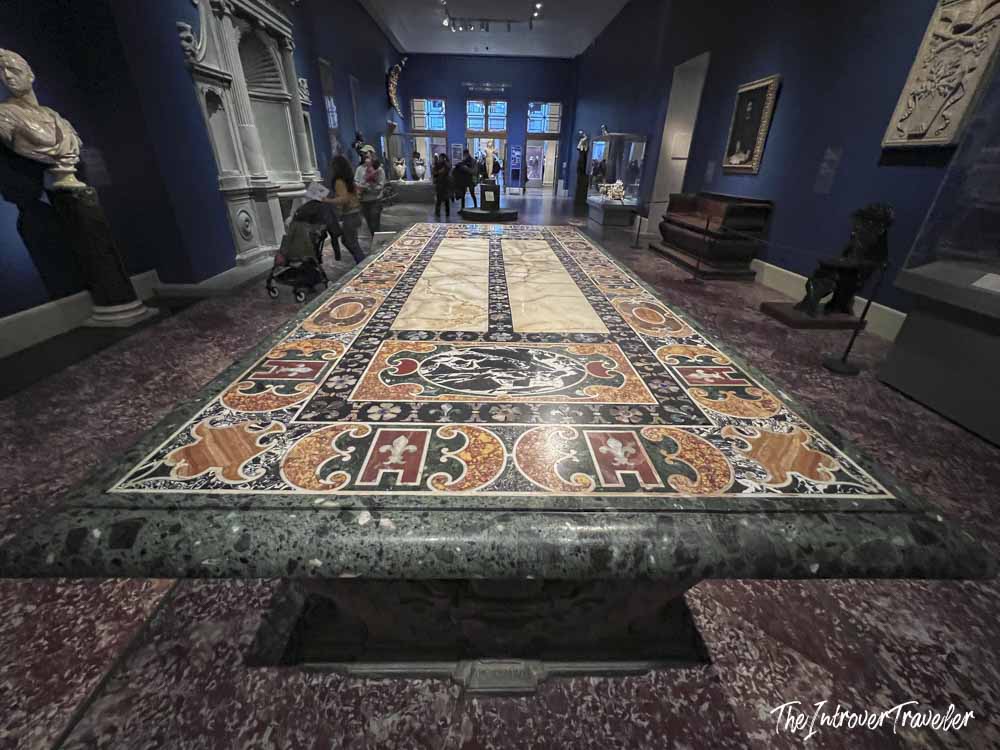
Starting from room 304 and continuing towards rooms 500 and beyond, before reaching the Gallery of Arms, you will find a series of rooms dedicated to the applied arts in Italy, I would say almost exclusively from the 16th century although I could be wrong; from bas-reliefs by Antonio Rossellino and Mino da Fiesole, to bronzes by Andrea Briosco and Pier Jacopo Alari Bonacolsi, from the Farnese Table, to a presumed (with a little imagination) early work by Michelangelo, you will find some examples of the best that Italian craftsmanship of the 1500s could offer to the refined European courts.
Among these works is also the “studiolo di Gubbio”, a study in wooden inlays commissioned by Federico da Montefeltro in imitation of the more famous studiolo in Urbino; the studiolo was imprudently dismantled from its original location at the end of the 19th century and sold on the antiques market… and today it is in New York. As I have already said about the Temple of Dendur, the arrangement of the studiolo, reassembled a stone’s throw from Central Park to be displayed as if it were in Gubbio is an operation about which I cannot help but have more than one doubt and it matters little whether the work was legitimately acquired on the antiques market; it is not only a question of the legitimacy of the appropriation of works that are part of the cultural heritage of other countries but also of the identity of the museum institution: it is natural that the Rijksmuseum in Amsterdam exhibits mainly works by Flemish authors, just as one goes to the Prado to see mainly works by Goya, Velazquez and El Greco, or to the Uffizi to admire the works of Botticelli, Leonardo and Michelangelo while out of the corner of one’s eye the Ponte Vecchio enters the field of vision; what does it mean to see an Umbrian studiolo while you are in New York? Is it right?
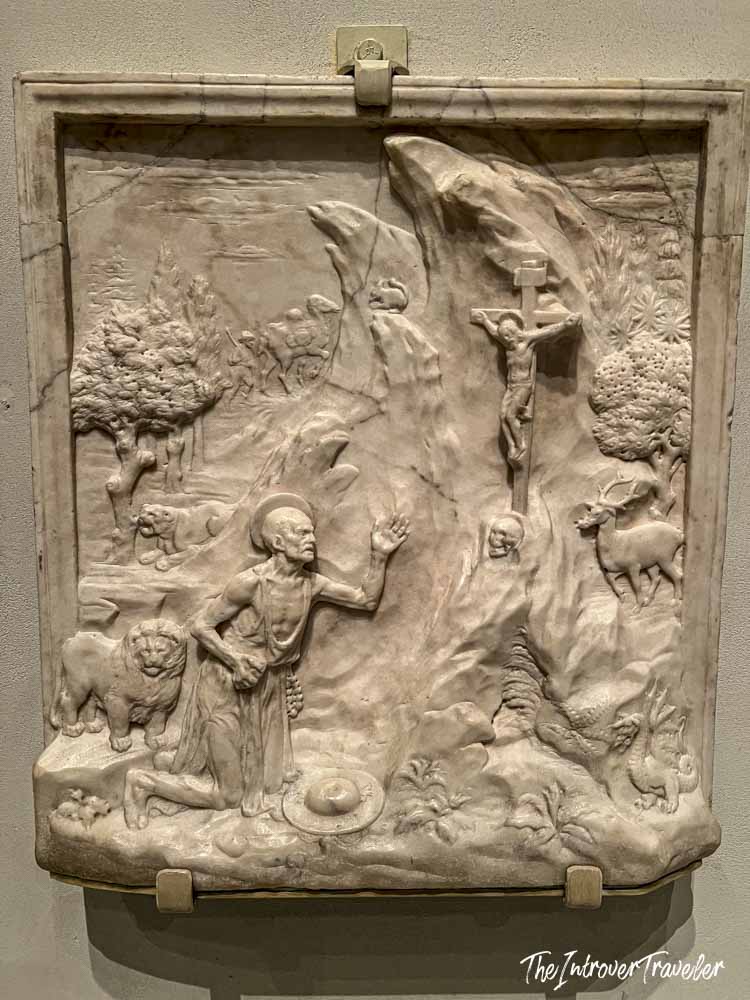
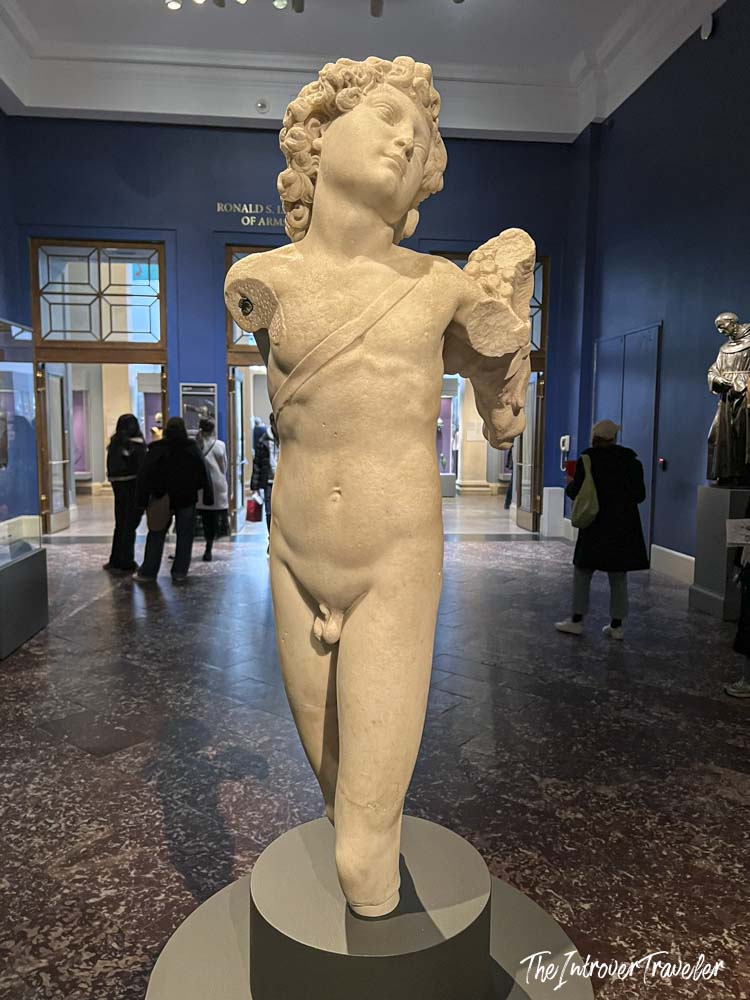
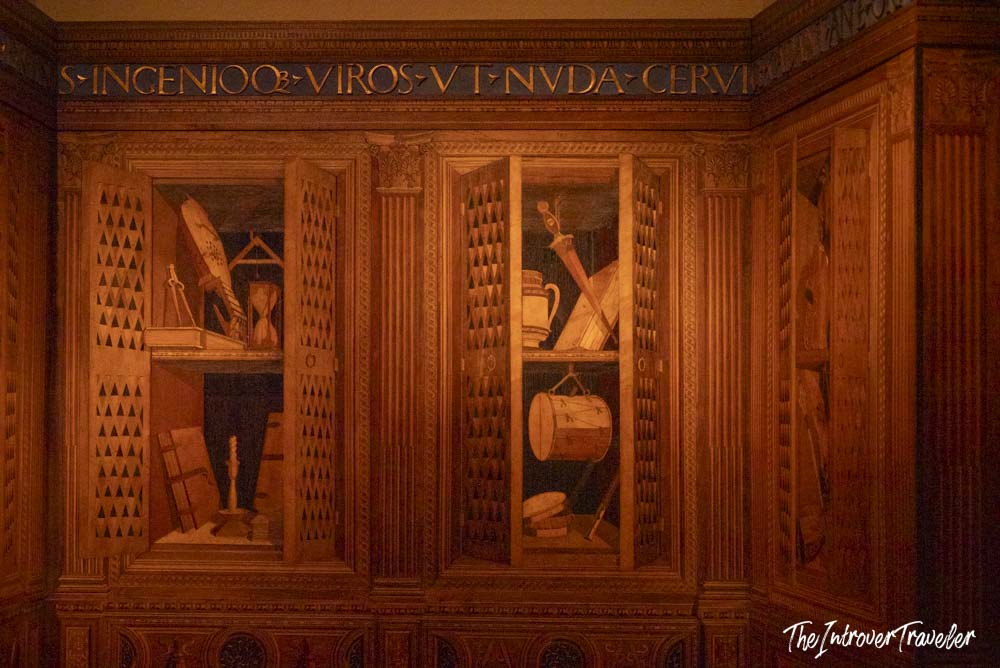
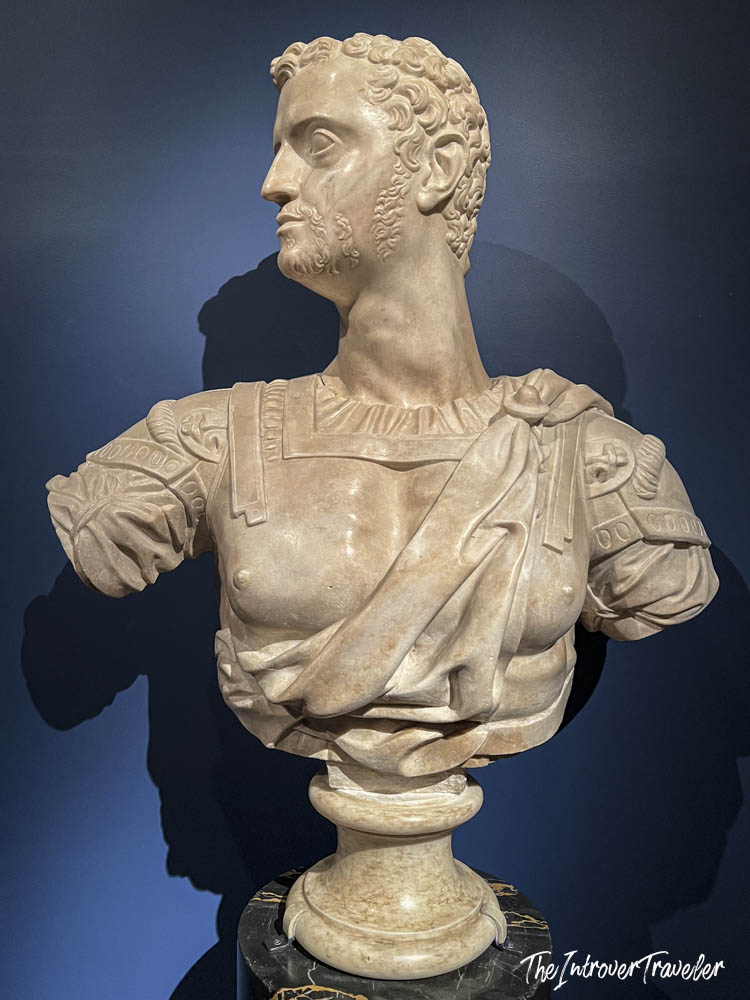
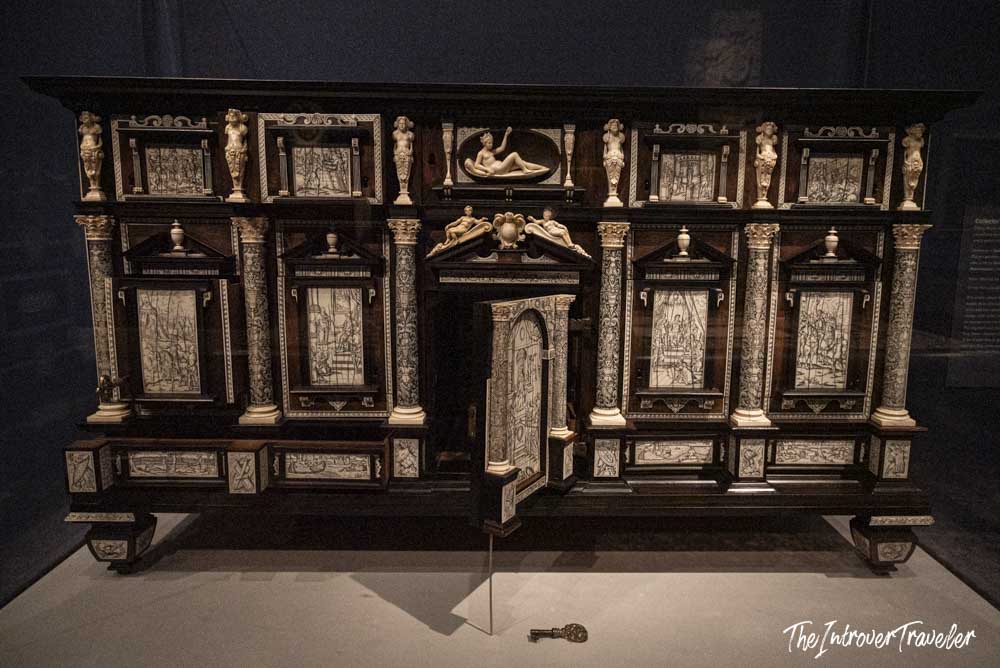
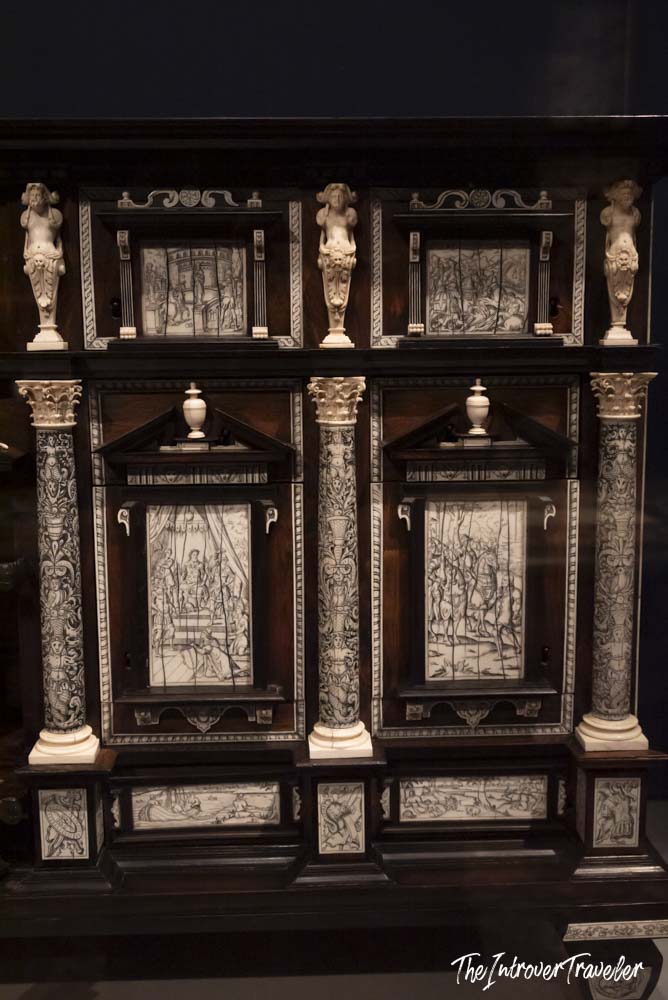
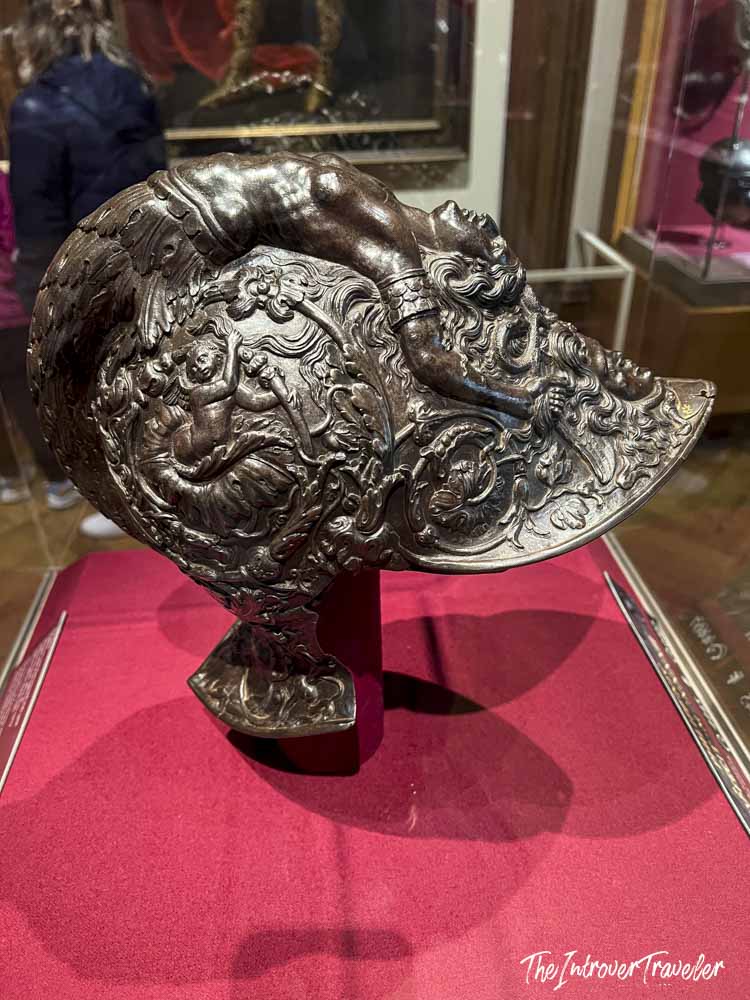
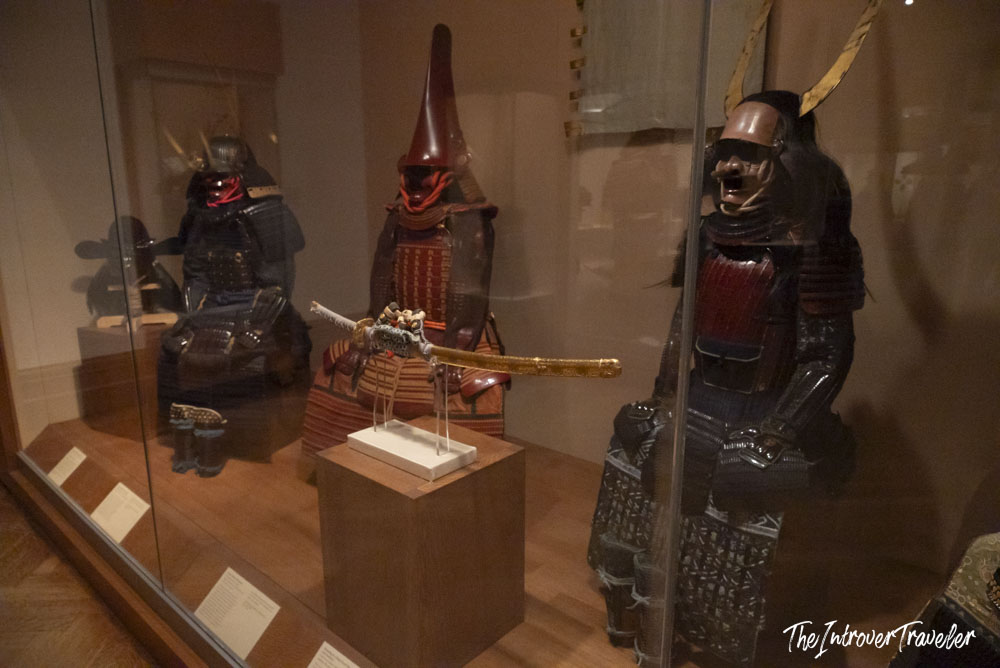
Continuing along the route, you enter the collection of weapons and armor that displays, like the previous rooms, some magnificent examples of arts applied to war manufacturing, coming from all over the world. The exhibition includes European, Japanese and Islamic armor, with examples of exceptional workmanship. The Renaissance parade armor stands out, finely decorated with engravings and gilding, which reveal not only the defensive function but also the aesthetic and symbolic aspect of these artifacts; I report below only a few examples of works exhibited in this gallery that, once again, would have required more time than I was able to dedicate to it.
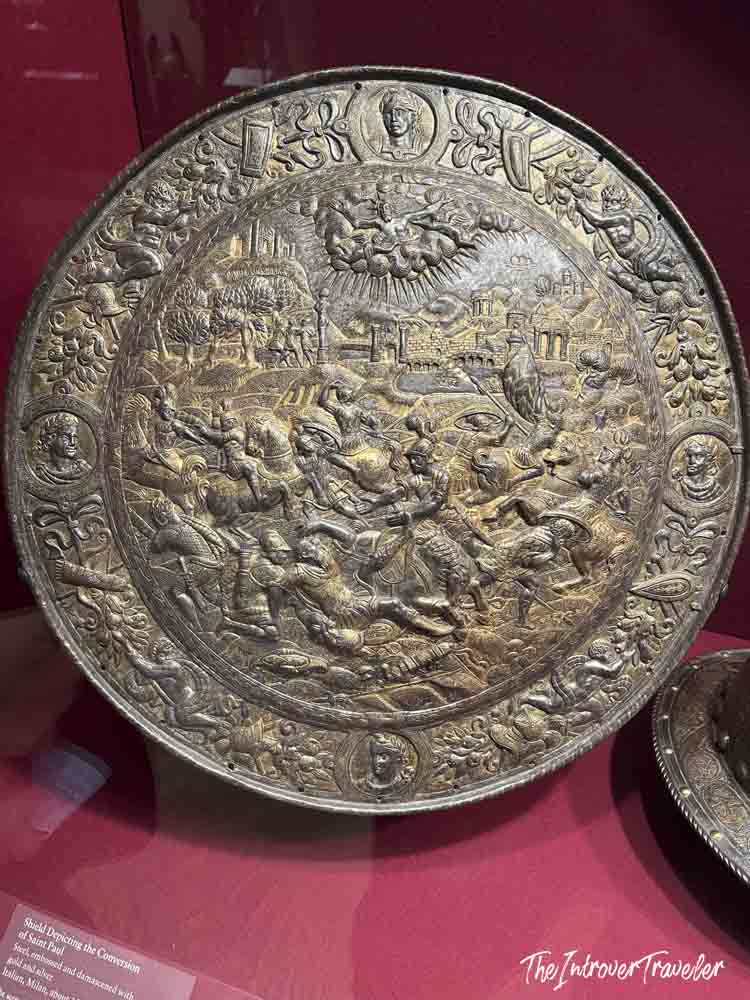
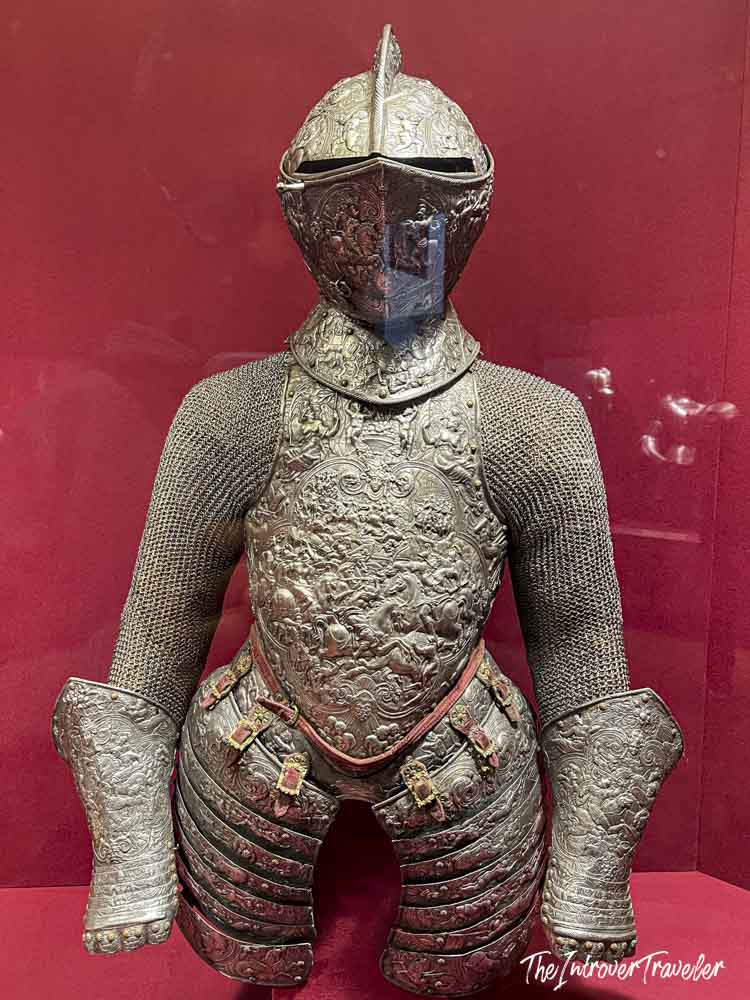
The Lehman Collection: The Taste of Private Collecting
After visiting the Gallery of Arms, I suggest heading towards the Lehman collection, crossing the medieval art section (which also displays many magnificent works, but as I said, at the MET you have to make painful choices).
The Lehman Collection, donated by Robert Lehman, represents an example of private collecting of the highest level. The selection of paintings, sculptures and decorative objects includes works by Botticelli, El Greco and Ingres. The exhibition itinerary allows us to grasp the evolution of artistic taste between the Renaissance and the nineteenth century, revealing the attention to quality and rarity of the selected works.
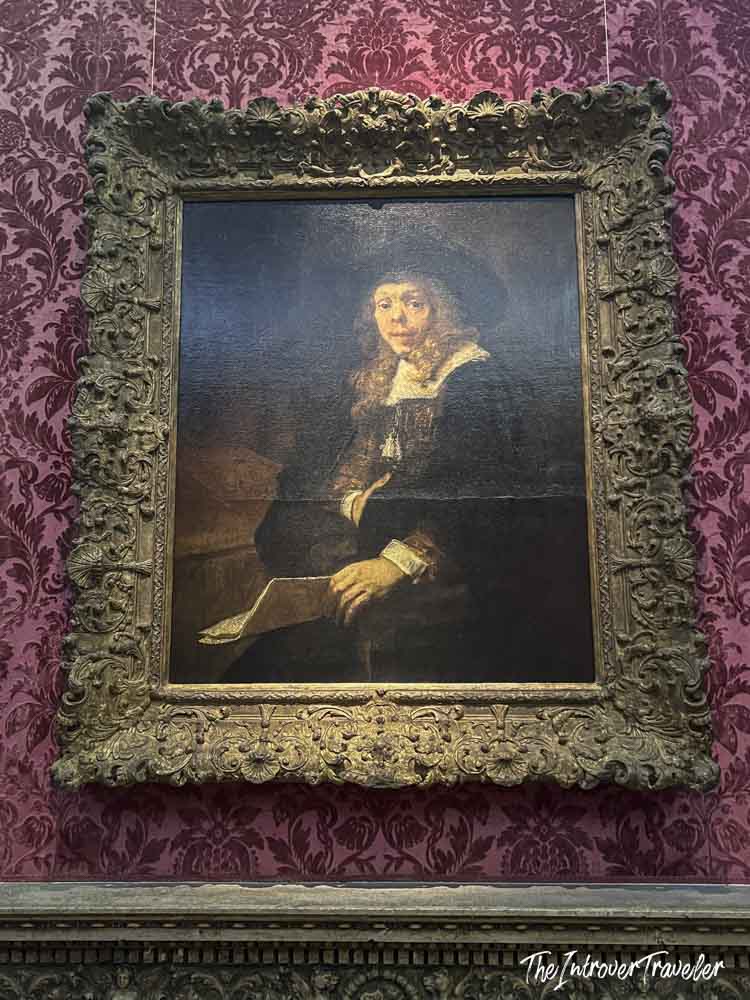
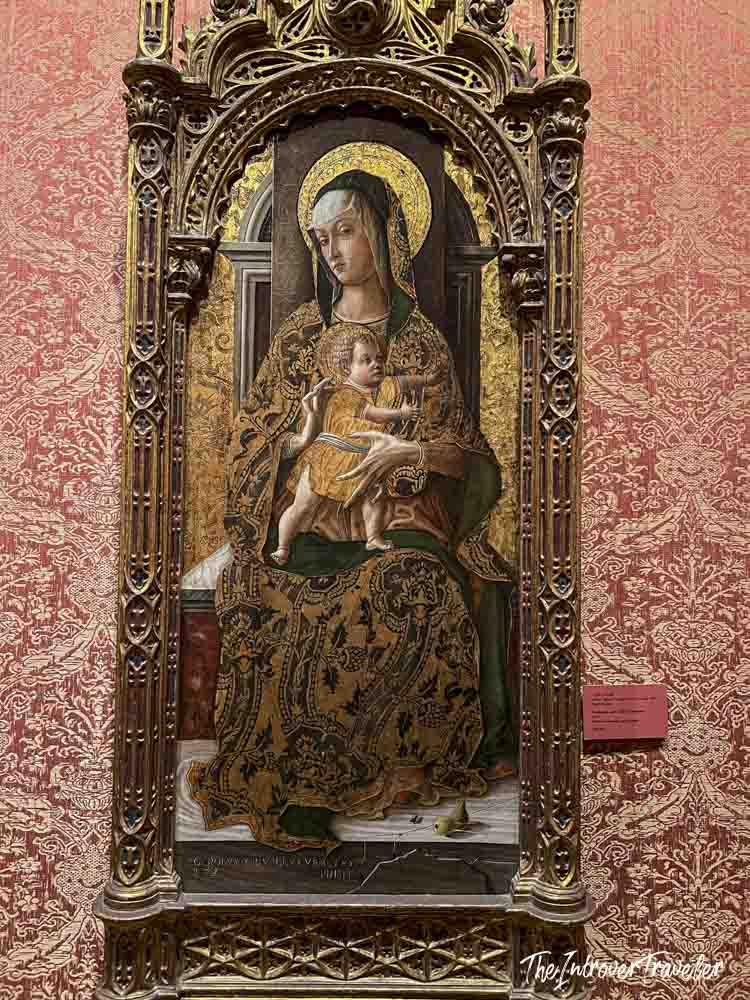
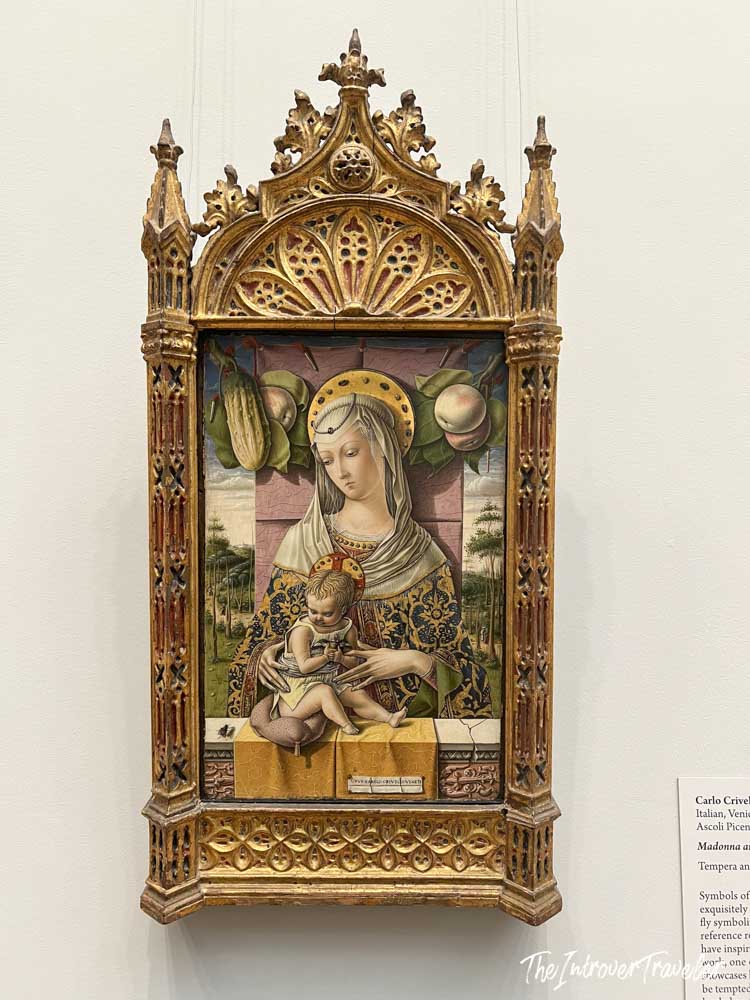
This section is relatively small and can be visited quite quickly; among the works on display I would like to point out a beautiful Rembrandt and a magnificent Carlo Crivelli, renewing my regret for not having been a banker in life.
The modern art section: innovation and avant-garde
The exploration of the first floor is completed with the southwest wing of the building, dedicated to modern and contemporary art.
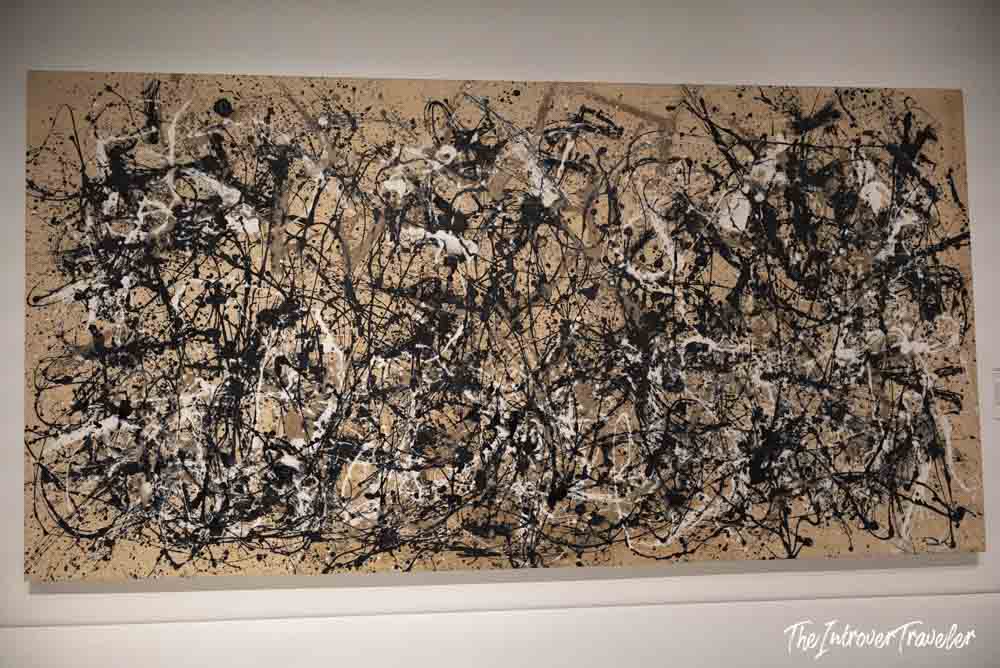
Modern and contemporary art finds significant representation at the Met, with a collection that covers the most innovative movements of the 20th century. The exhibition itinerary includes works by Picasso, Braque and Matisse, which mark the turning point of Cubism and Fauvism, as well as works by Pollock and Rothko, which exemplify the gestures and chromatic introspection of Abstract Expressionism.
Special attention is paid to the American avant-garde, with works by artists such as Edward Hopper, whose melancholic painting captures the essence of urban solitude, and Georgia O’Keeffe, with her iconic, visually striking floral representations.
Having visited the MOMA in the previous days, the modern art section of the MET cannot but come out defeated by the comparison and seems almost rather inspired by the need to complete the collection with some great names of the 20th century; in general I do not believe that one enters the MET to see the modern art section, and I do not even suggest omitting it from the itinerary, because the collection still includes some excellent works and one cannot underestimate a collection that includes all the great names of the 20th century from Picasso to Bacon, from Brancusi to Modigliani, from Boccioni to Schiele, but I would not put this part of the collection among the most exciting episodes of my visit (especially if you visit the MET the day after the visit to the MOMA).
Lunch
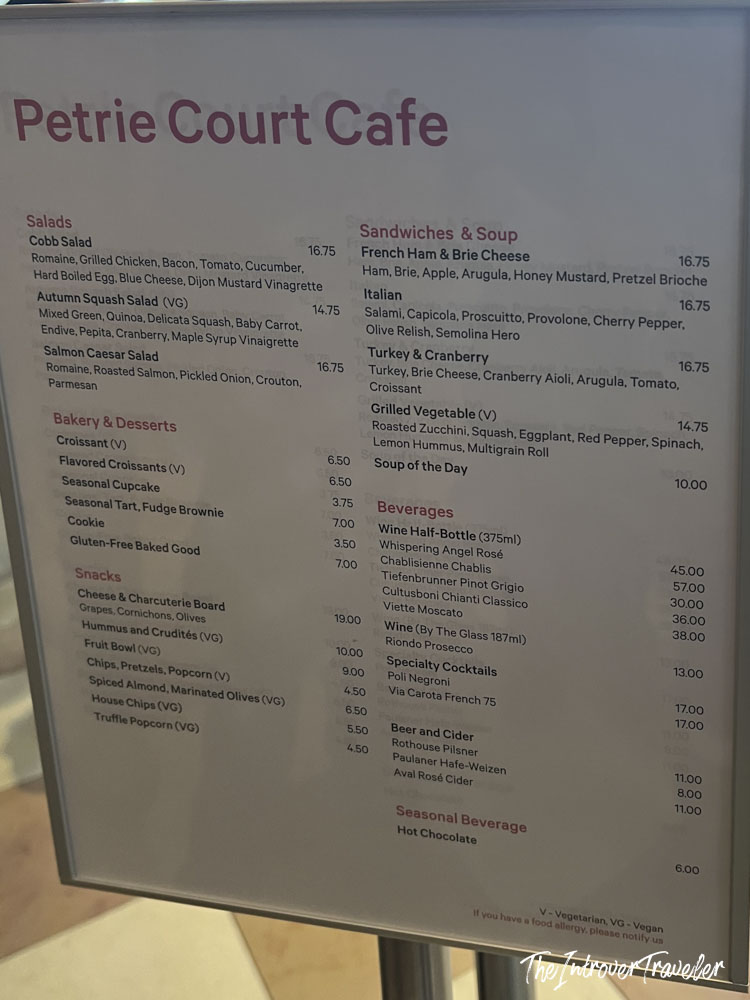
In all the great museums of the world, the refreshment points sell every product at a very high price; in New York, where even the air to breathe is sold at its weight in gold, be prepared for even higher prices (which will not necessarily correspond to the same quality). The one on the left is the menu of the café on the first floor, next to room 548 which, in spite of its high prices, does not serve exquisite food. I should point out that on the second floor, at the entrance to the Asian art section, there is another cafe that serves sushi which, at least on the surface, looked good, without costing more than the sad sandwiches at the Petrie cafe.
Section of European art and sculpture of 1800-1900
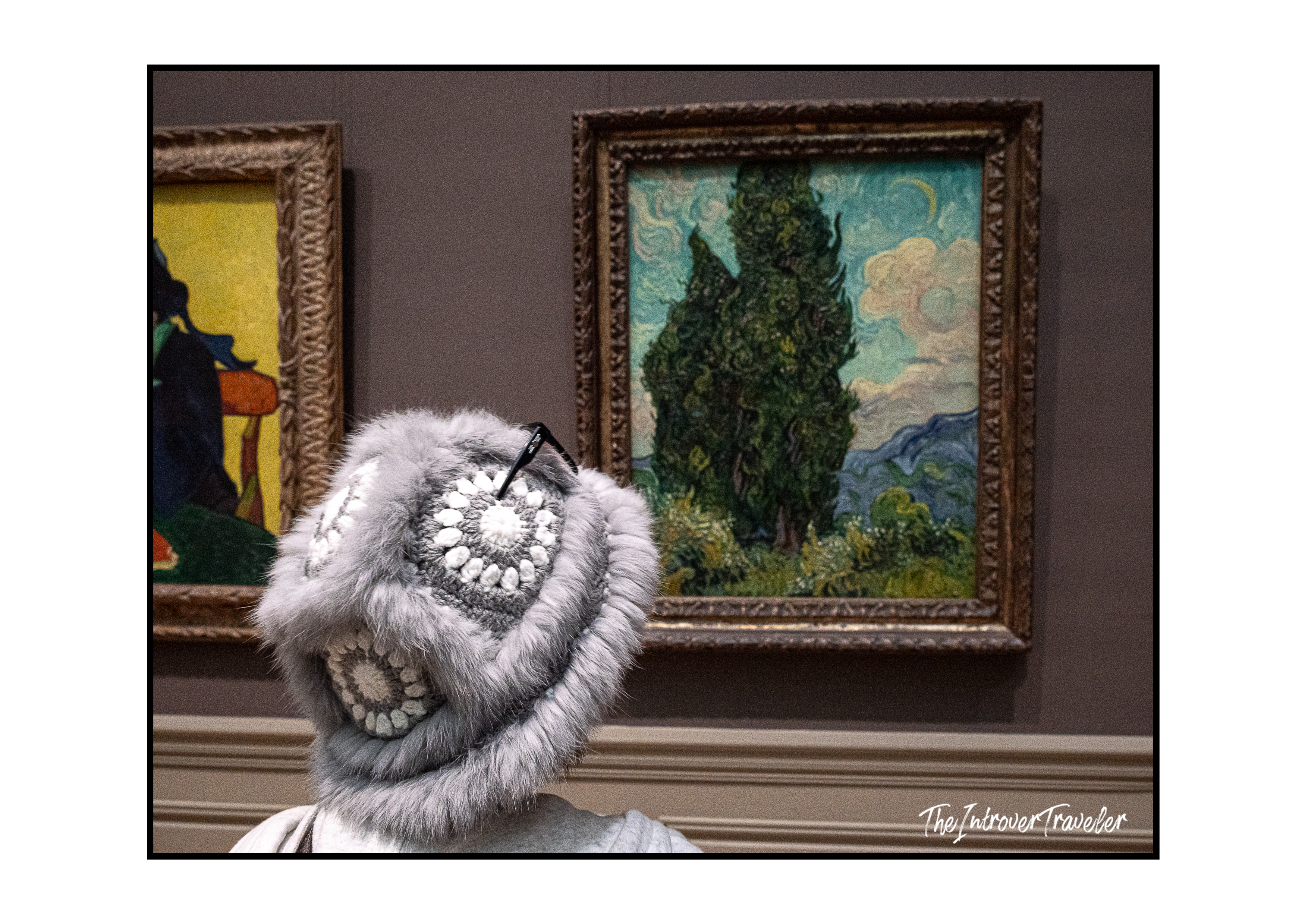
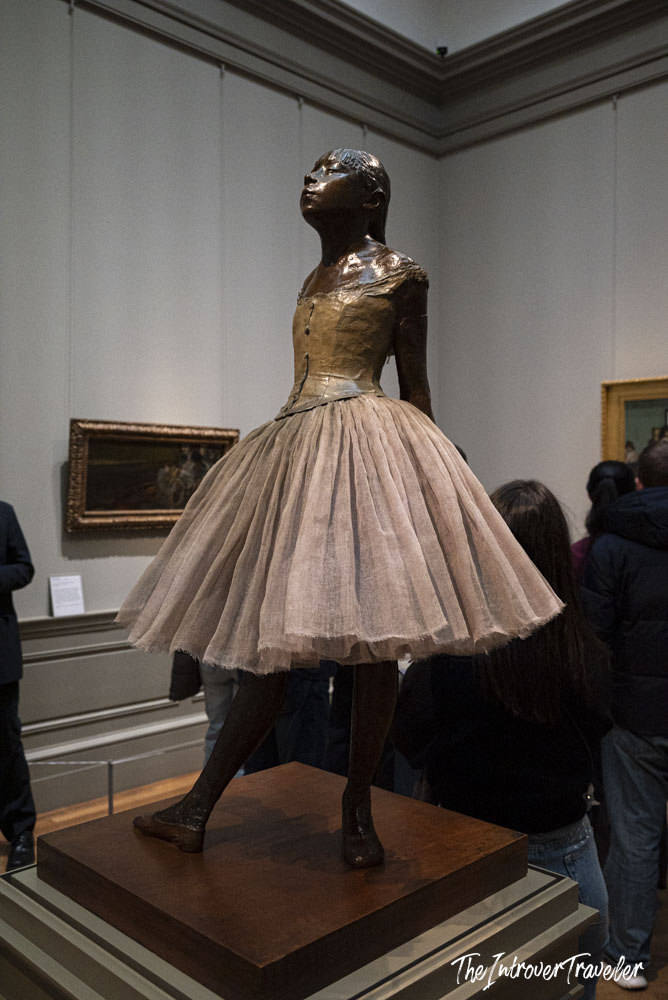
The section is composed of about thirty rooms where the main role is played by the great names of Impressionism and contemporaries; from Monet to Manet, from Degas to Pissarro, from Van Gogh to Courbet, Renoir, Gauguin, Cézanne… with the addition of some Turners, very beautiful, and a couple of Klimts, beautiful but not sensational.
Given that in general impressionism is an artistic movement that I am not crazy about, I report below the photos of some works of this section, which I went through relatively quickly to dedicate myself calmly to the section of European painting from 1200 to 1800.
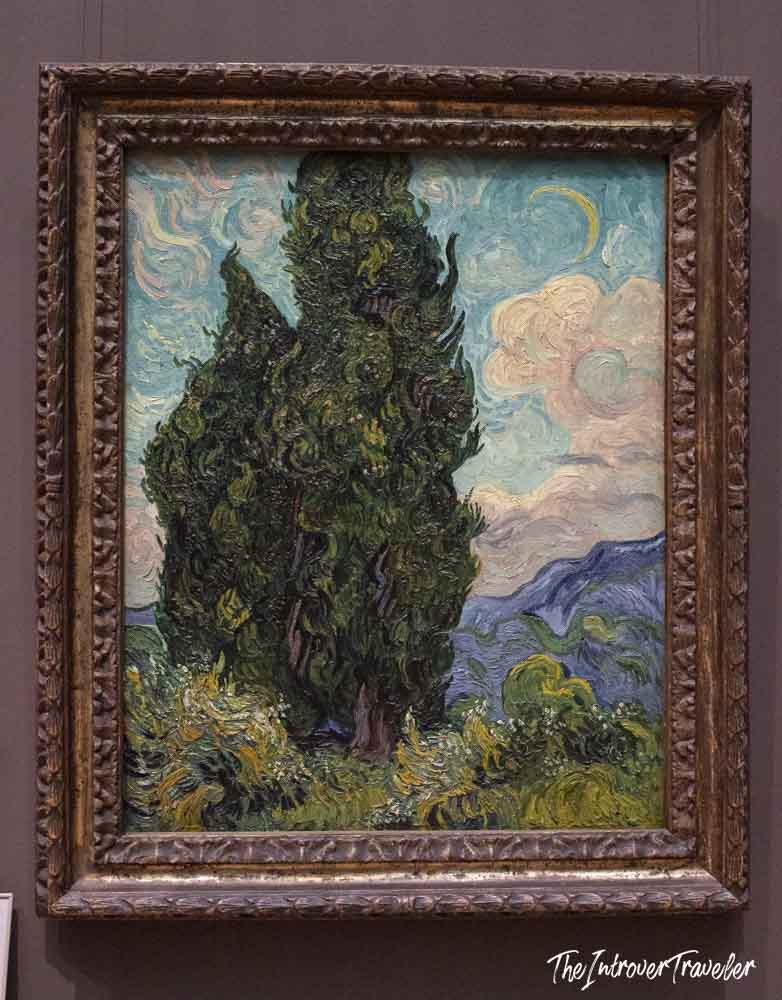
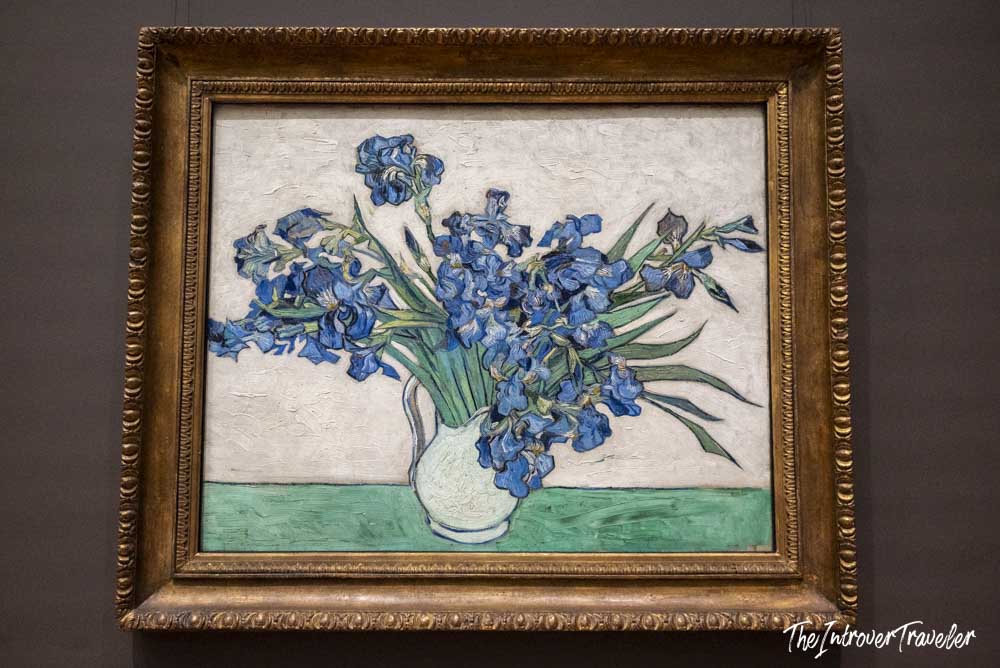
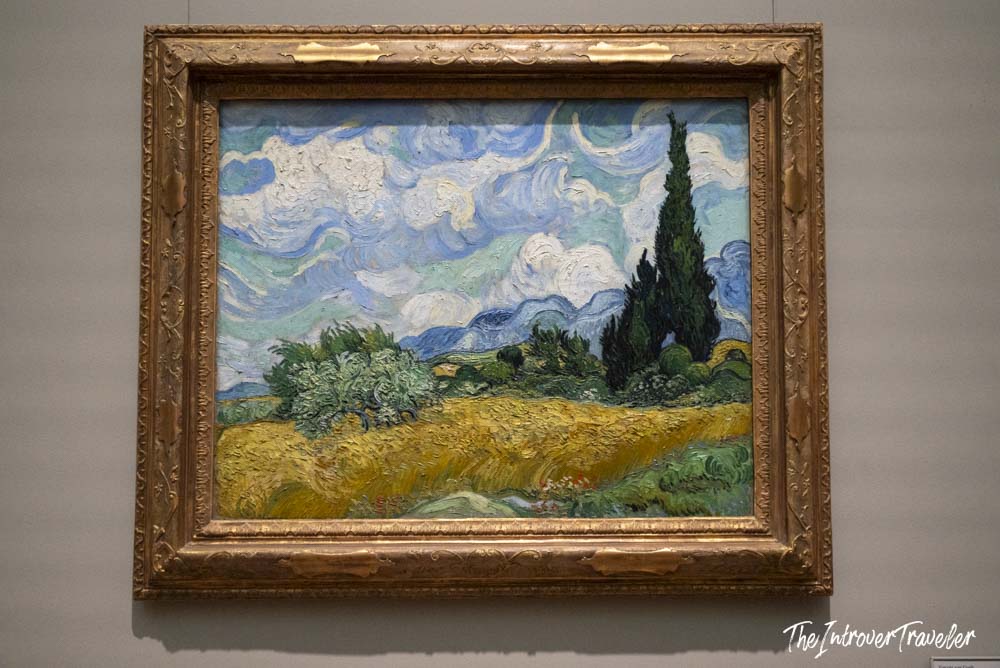
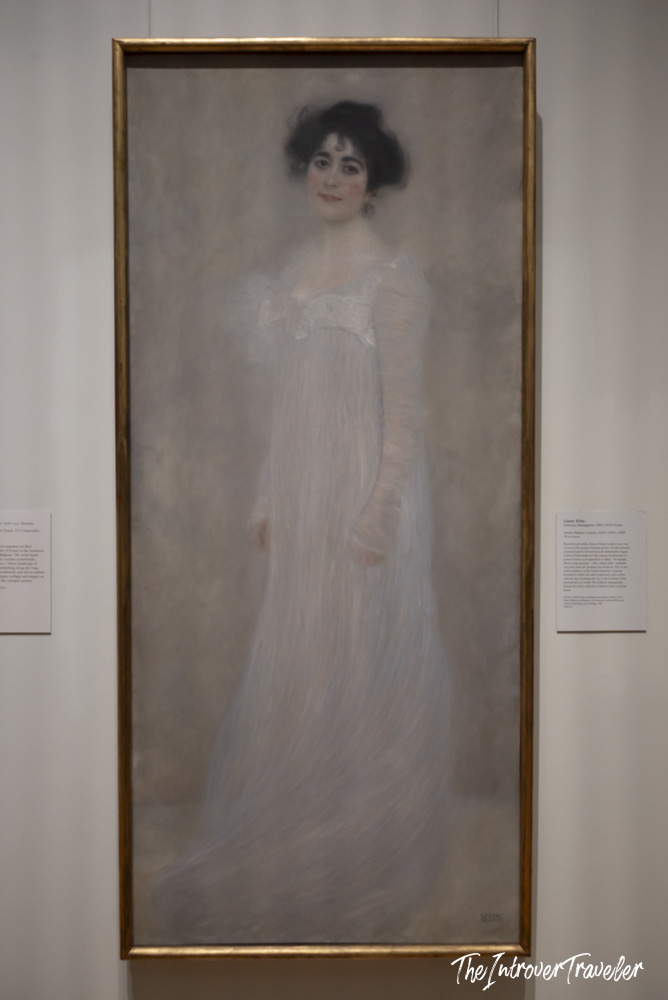
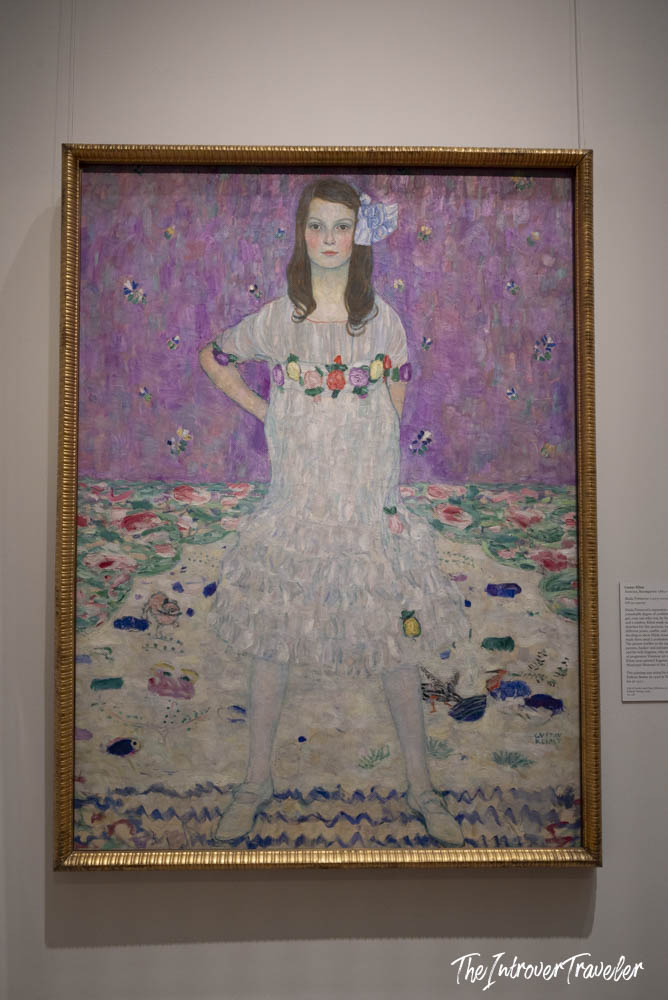
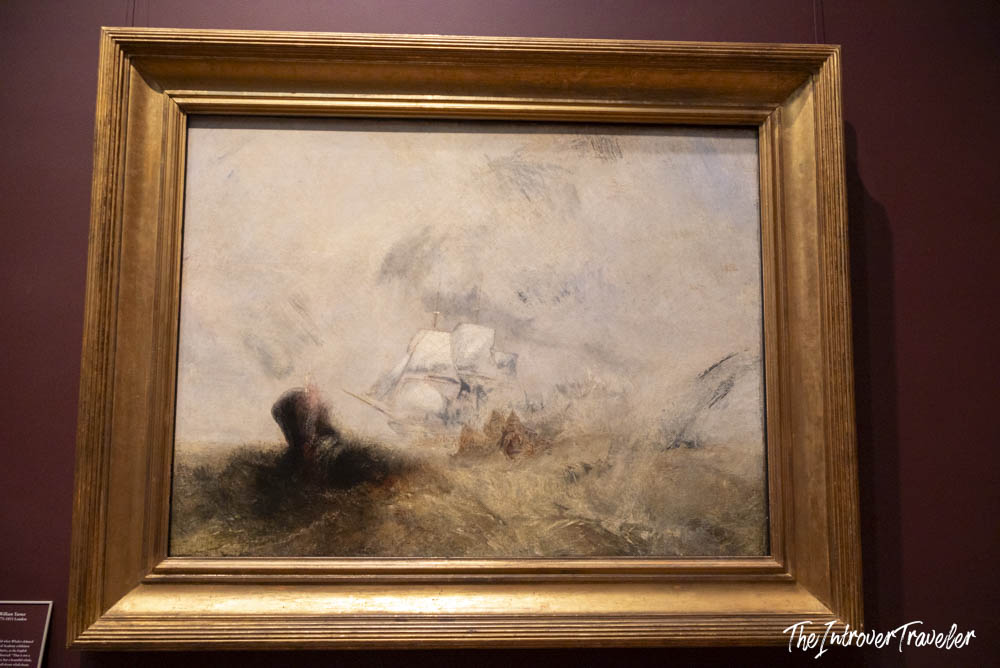
Section of European Painting from 1200 to 1800
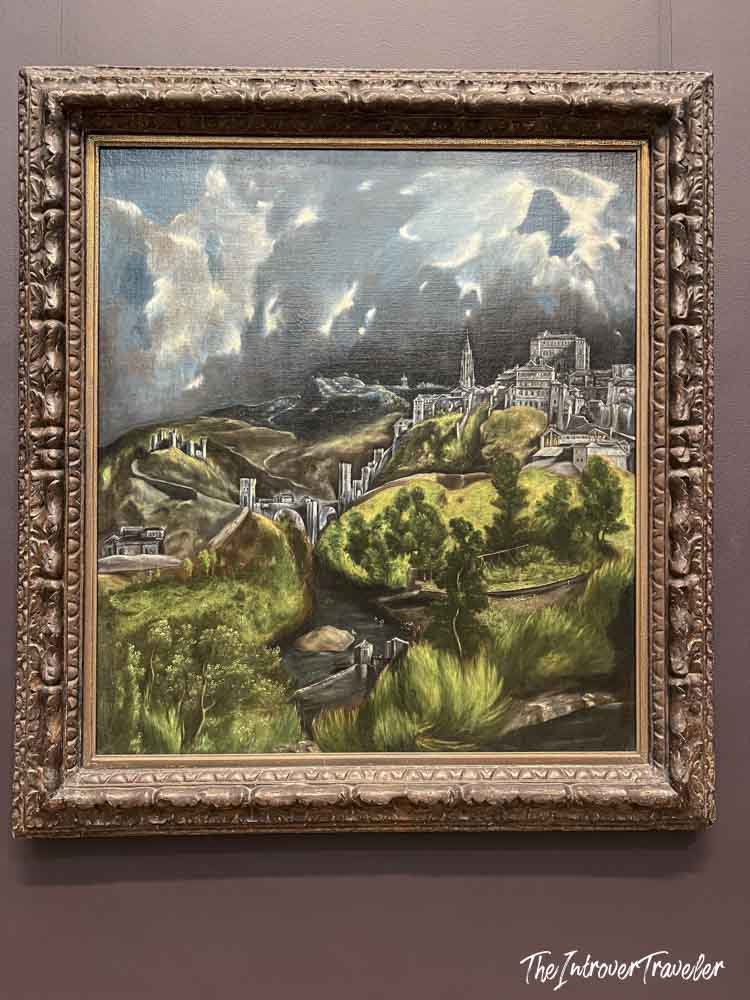
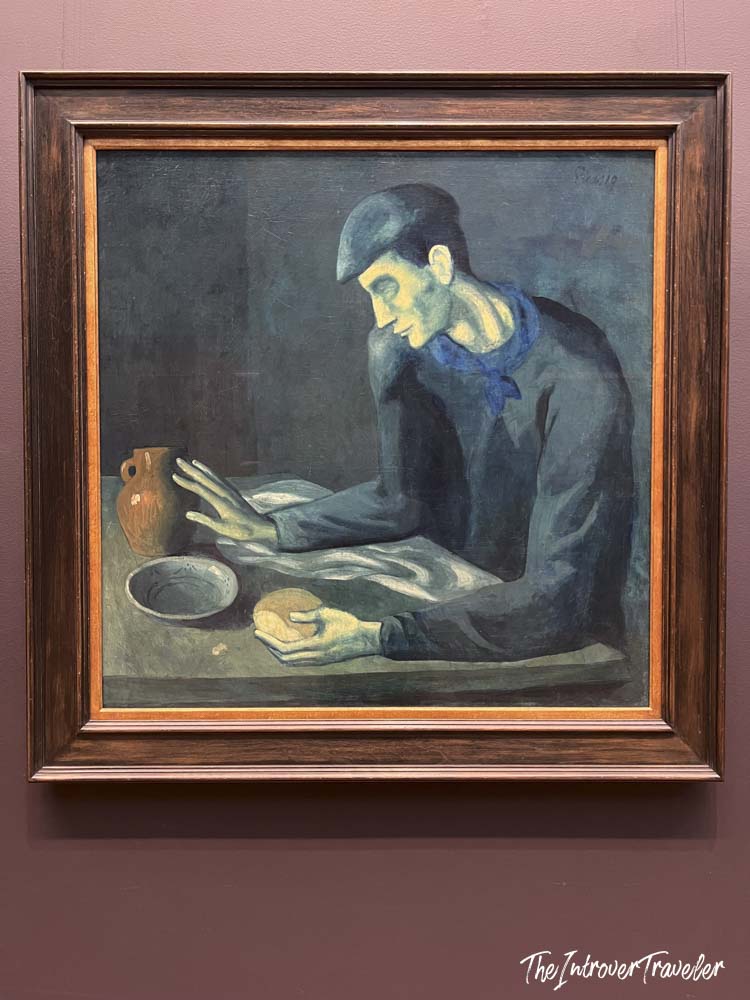
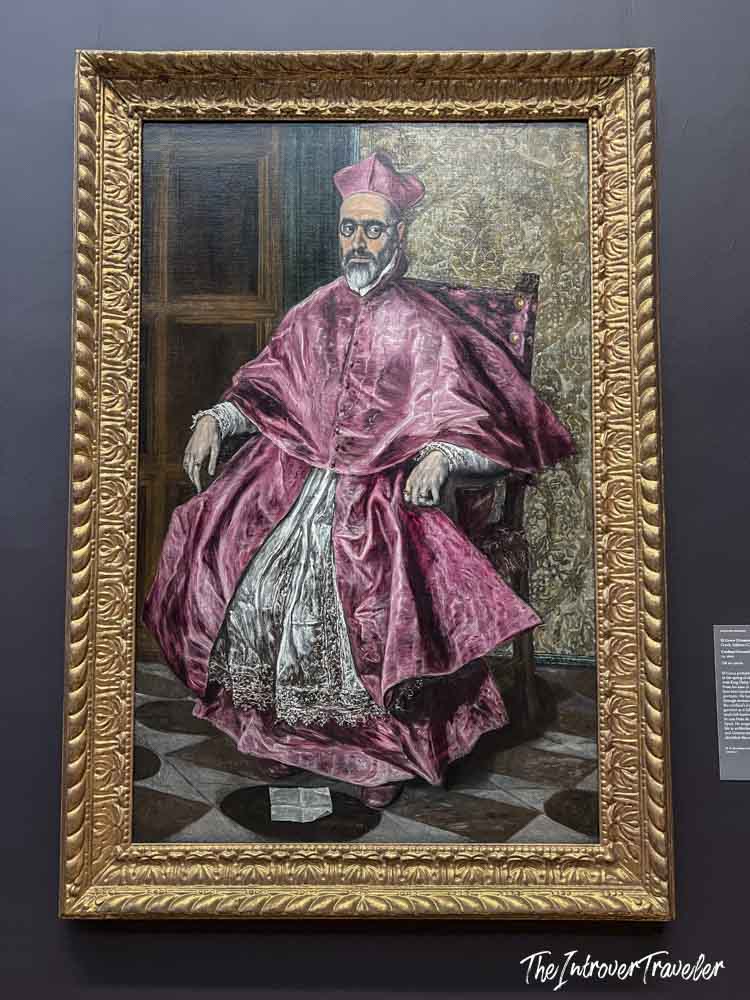
Upon entering the first room of this section, which, at least in my expectations, was the highlight of the visit to the Metropolitan Museum of Art, I was immediately struck by a rather innovative display that placed works by El Greco alongside works by Picasso; the intent, which in my opinion was fully successful, at least in this room, in addition to placing stylistically similar works side by side, even if separated by centuries of history, is to highlight, through a true synoptic representation, the influences exerted by an artist on posterity. That El Greco was an innovator well ahead of his time is nothing new, but exhibiting him alongside Picasso encourages a reading of the works of the sixteenth-century painter with new eyes; in particular, I found a landscape (here on the left) surprising, which, displayed next to Picasso and looked at distractedly, I could almost have mistaken for a Cézanne.
This diachronic arrangement is not always a happy one; for example, in another room there were displayed a few meters away a gold background by Benozzo Gozzoli and a triptych by Francis Bacon, both beautiful, but completely irreconcilable with each other.
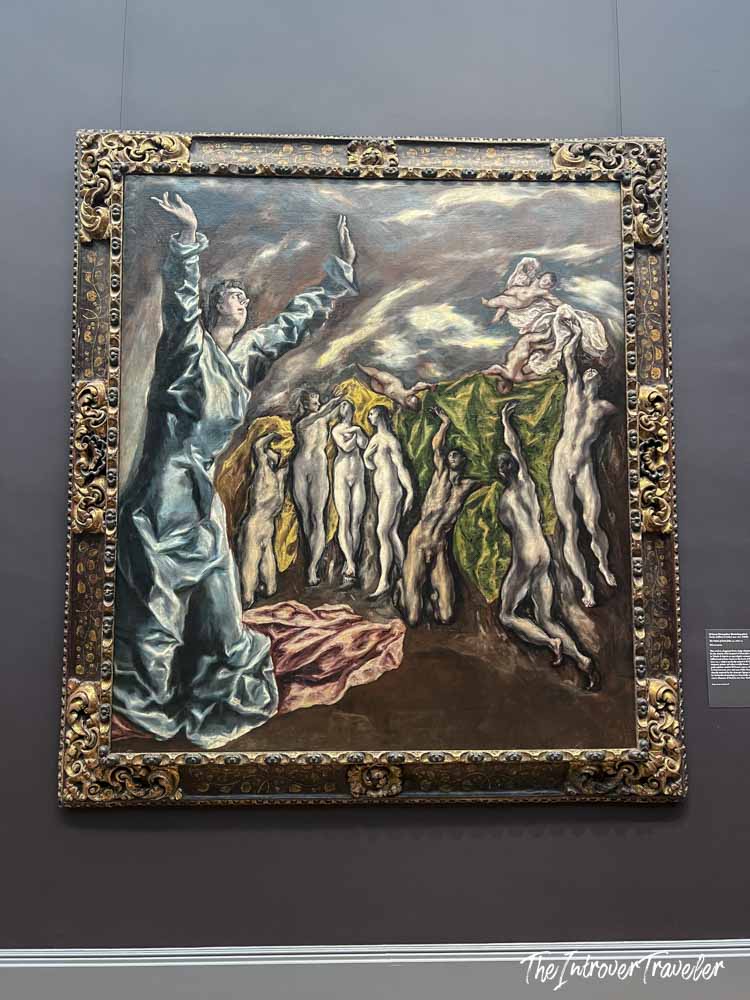
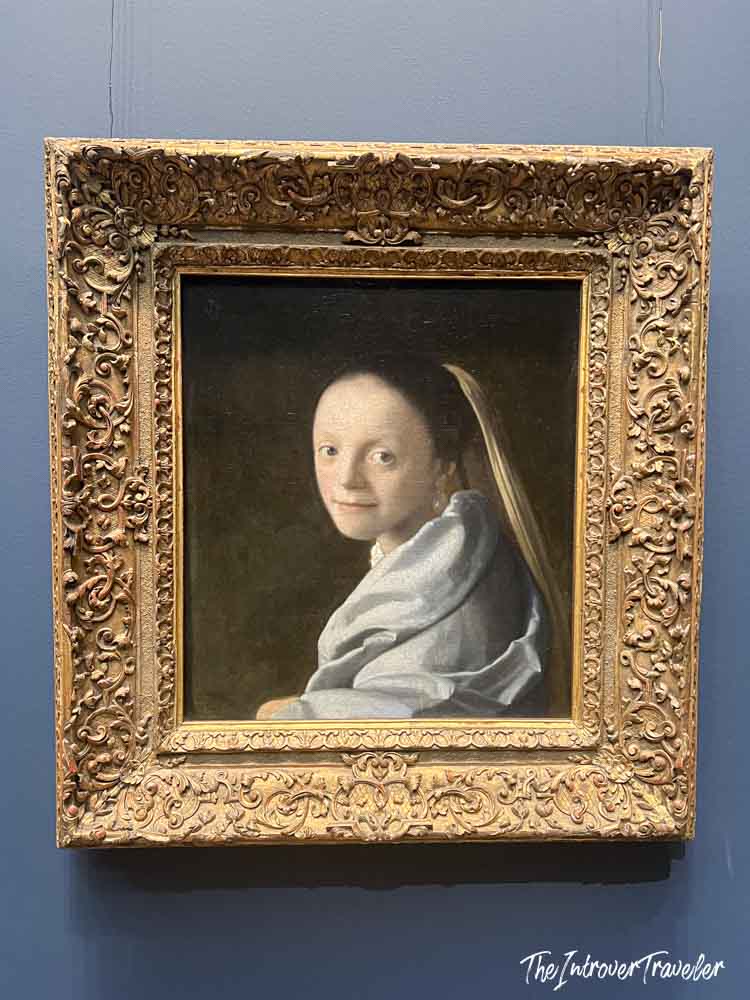
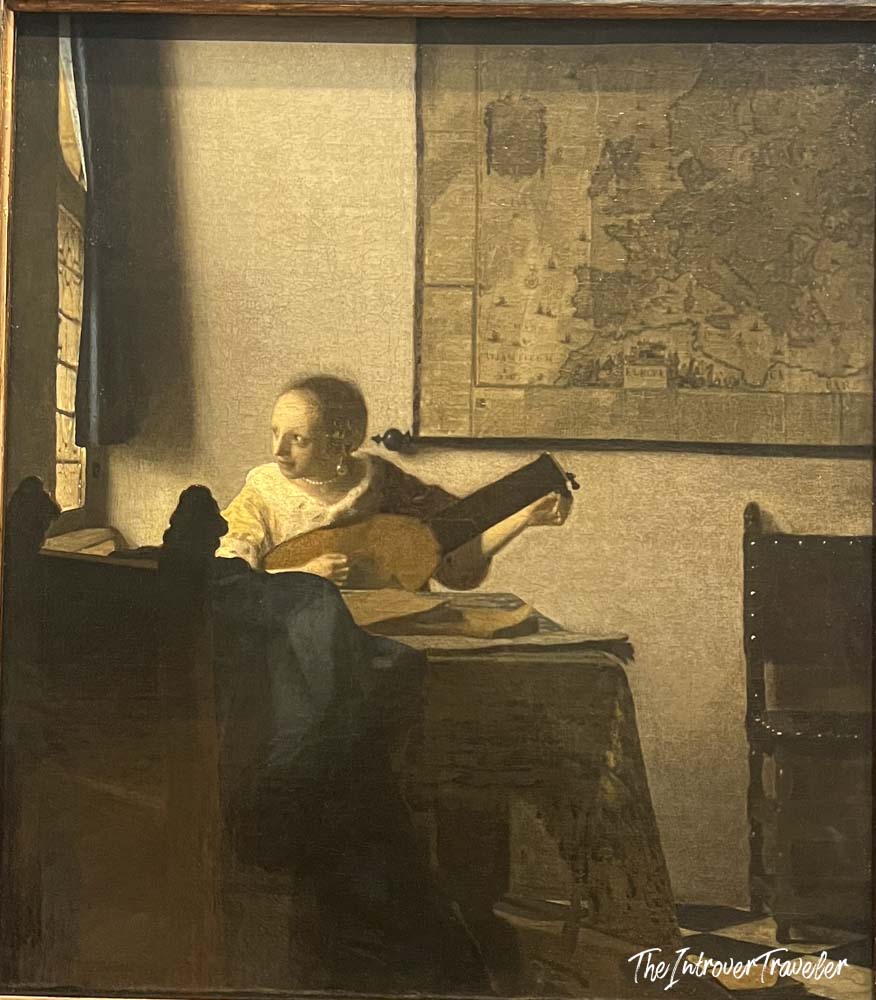
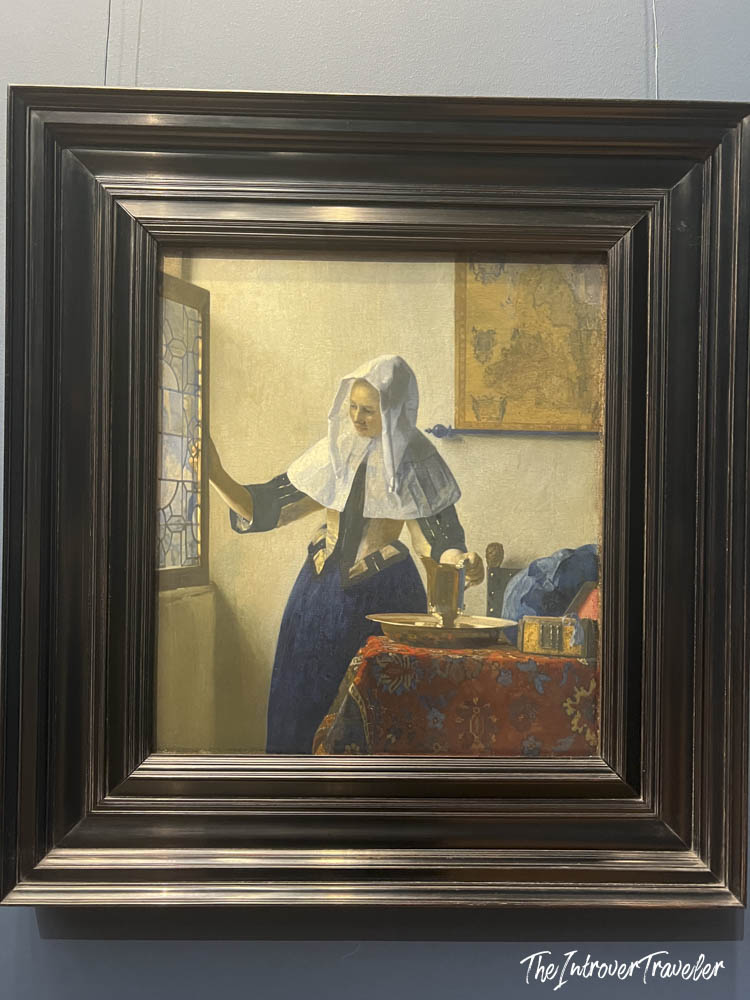
Continuing in no particular order among the works that I consider (very subjective evaluation) to be of greatest interest, I would say that an artist on whose name the MET can certainly compete with any other museum in the world is Johannes Vermeer; if I counted correctly, the MET has 5 works by the Dutch painter, 3 of which are of an excellent standard and one in particular, the portrait of a woman, is among my favorite works in the entire museum; I have always been intrigued by the seraphic expression of the person portrayed; it is the expression of someone who has been listening to you for a few minutes and is already fed up with what you are saying and is waiting for the right moment to improvise an unconvincing excuse to get out of the way, or even the expression of someone who is having a job interview and when asked “why would you like to work with us” would really like to answer “because I need money to eat” but is trying to find the strength to answer “I really believe in your company mission”, and Vermeer was phenomenal in capturing that fleeting moment of malice.
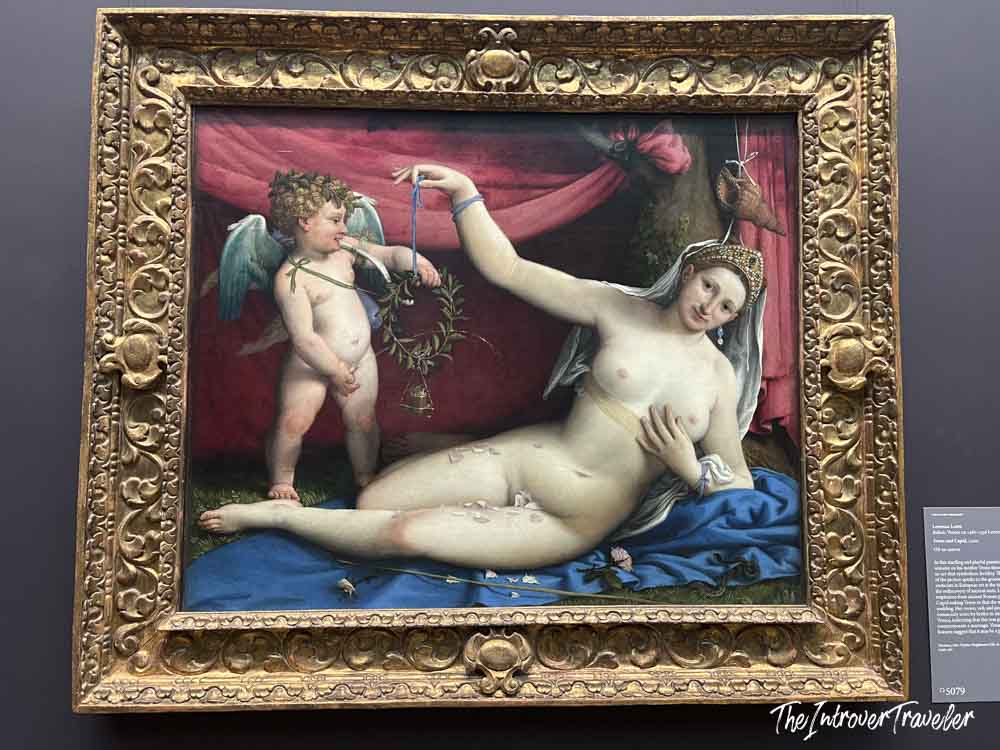
Another magnificent work, both for its aesthetic rendering and for its subject, is the Olympic urination by Lorenzo Lotto, which depicts the little Cupid intent on projecting his renal excretion onto his mother Venus, who seems to appreciate this golden shower like a seasoned porn star; whether the feat of the little Eros represents an early and failed attempt at a Kegel exercise to train for the powerful embraces in which the God of love will have to perform in adulthood or more prosaically a metaphor of fertility created by the Venetian artist for some married couple, the work, which is part of the rich vein of erotic-mythological representations of Renaissance Italy, certainly lends itself to numerous interpretations, more or less amusing, but captures the eyes for the quality of its realization.
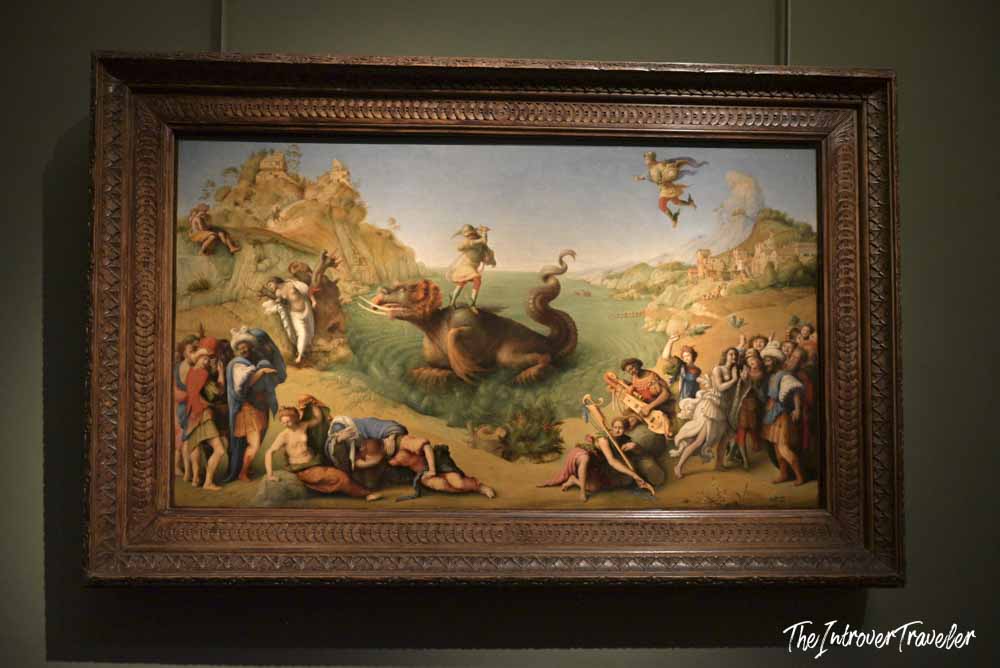
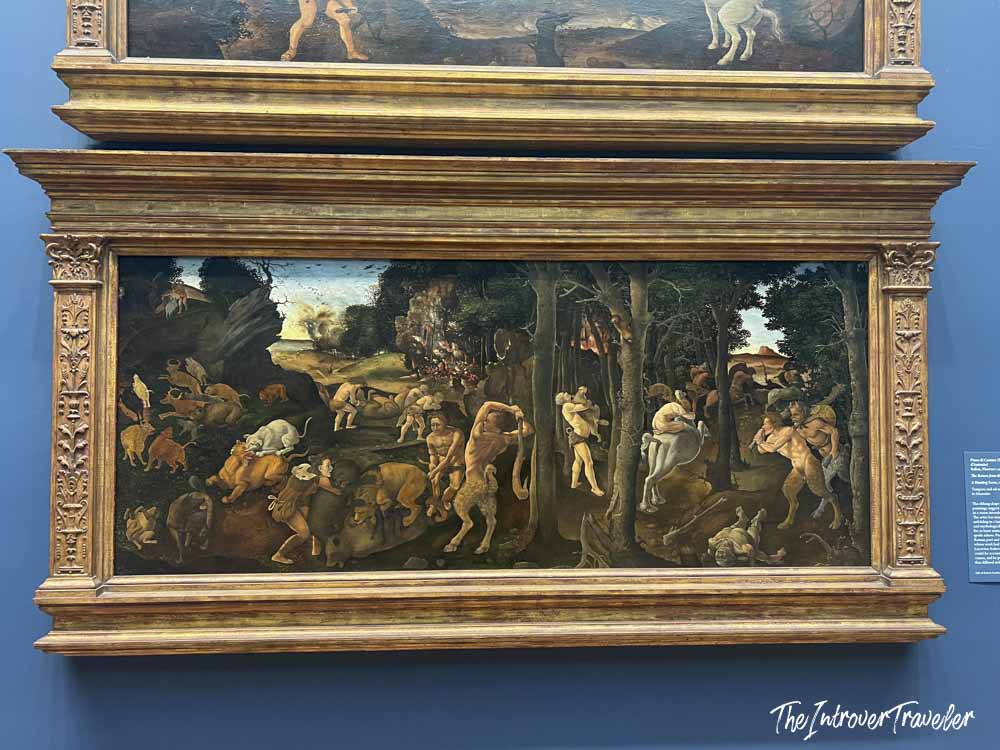
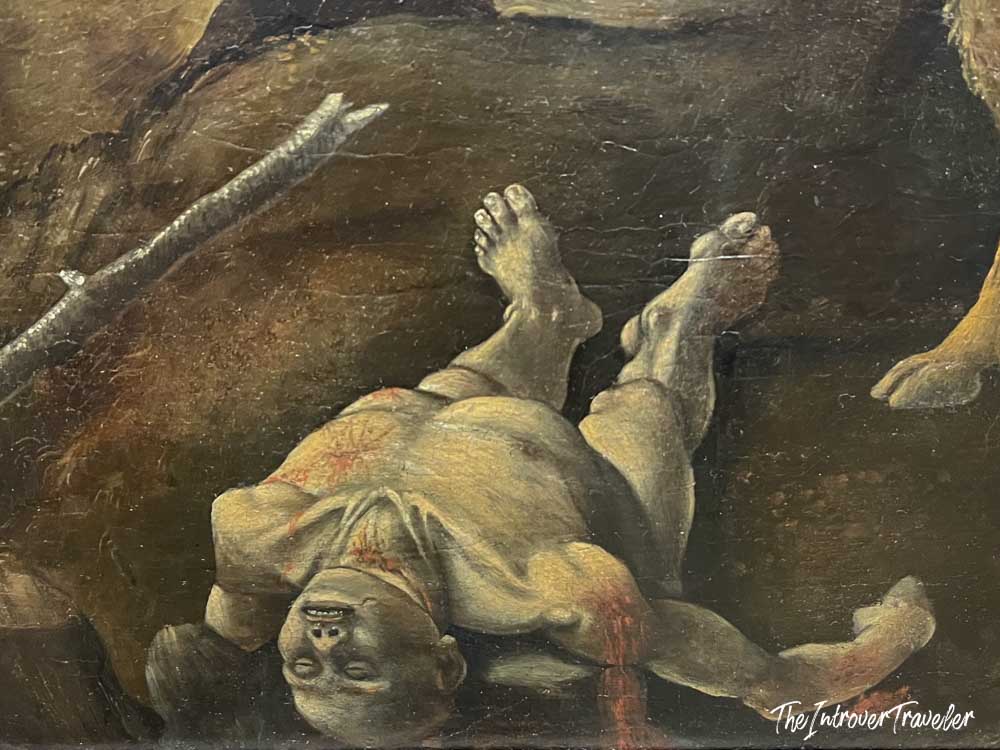
Another work worthy of attention is a mythological scene by that great outsider of the Italian Renaissance, Piero di Cosimo; the work could in some way remind some of the Perseus Freeing Andromeda in the Uffizi, whether for its format or its mythological content, and it stands out for its attempt at a foreshortened representation of a recumbent body (already seen for example in the Battle of San Romano by Paolo Uccello in the Uffizi) which often engaged Renaissance artists and which obviously found its maximum expression in Mantegna’s Dead Christ.
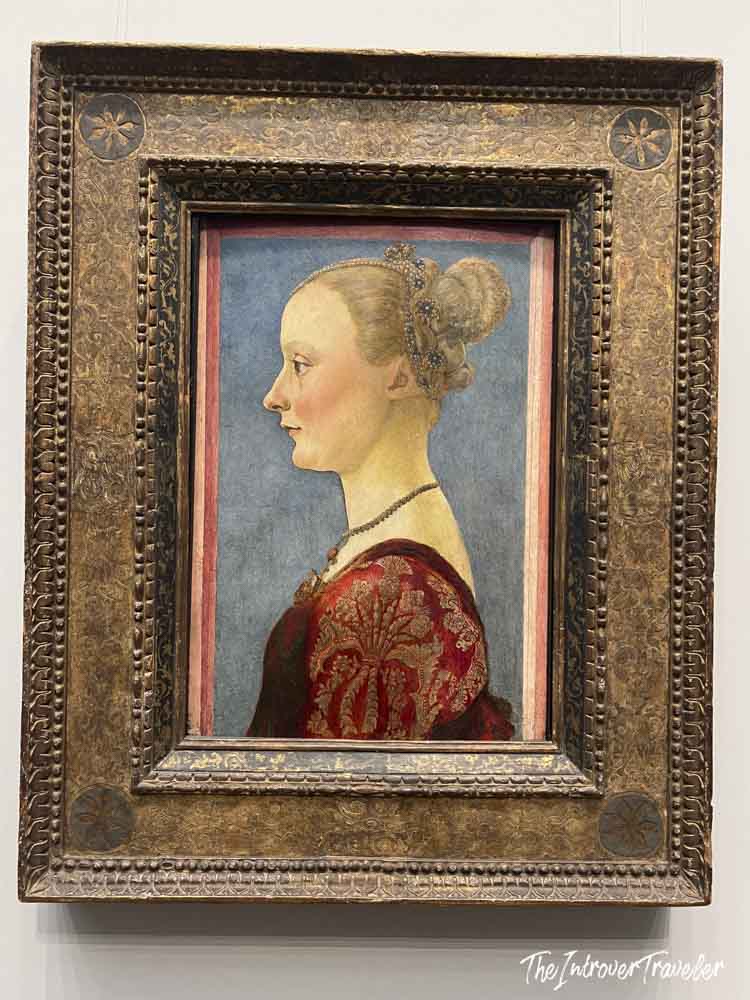
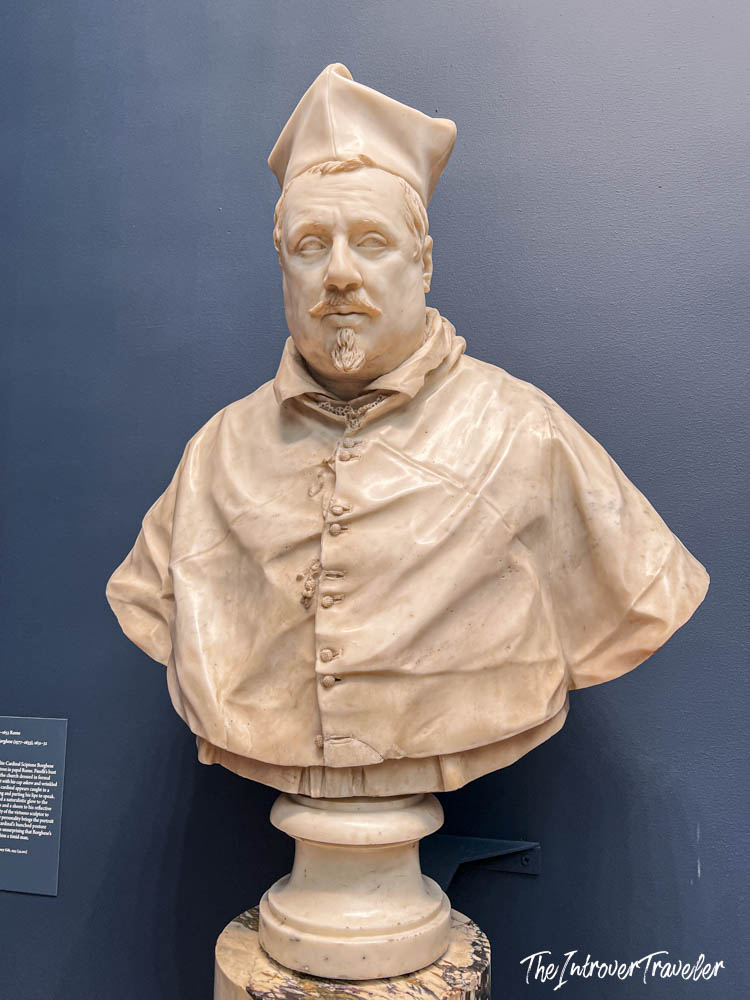
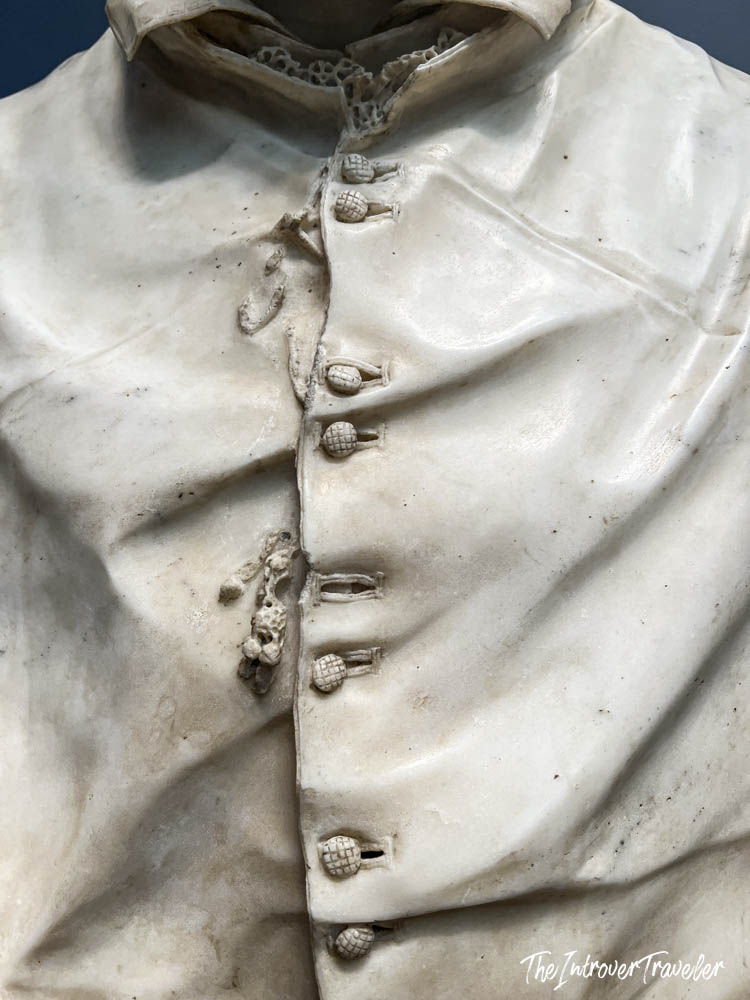
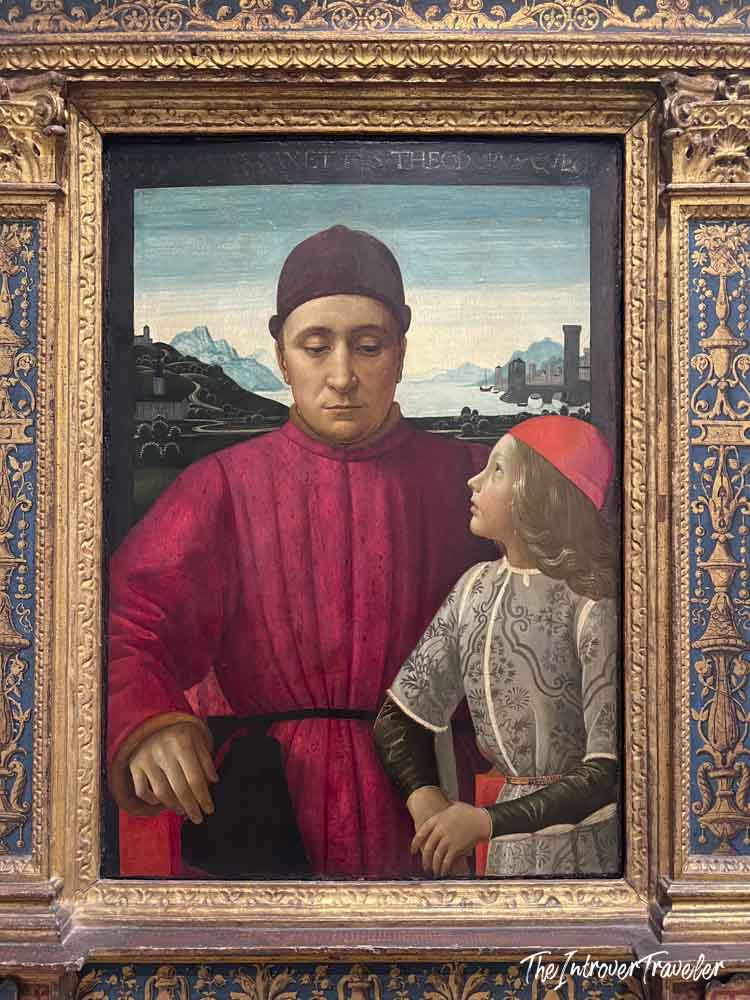
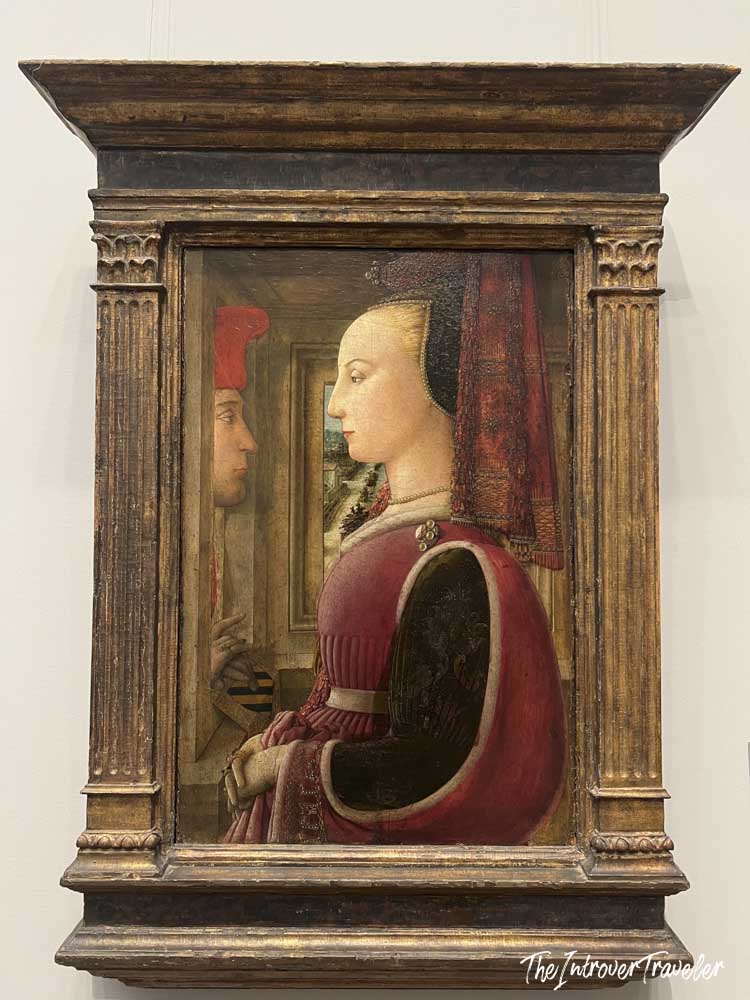
Continuing with parallels and affinities, I would like to point out a profile of a woman by Antonio and Piero del Pollaiolo which almost calligraphically follows the one in the Poldi Pezzoli Museum in Milan, a bust of Scipione Borghese by Francesco Fanelli which takes inspiration from the two identical works by Gian Lorenzo Bernini kept in the Borghese Gallery in Rome and the Portrait of Francesco Sassetti by Ghirlandaio, which inevitably evokes the analogous and more famous painting by the same author kept in the Louvre.
The MET also exhibits, in addition to the one already mentioned belonging to the Lehman collection, some Rembrandts, at least two of which are of excellent quality. In addition to the portrait of Aristotle with the Bust of Homer, which the exhibition gives great prominence to, I would include among the important Rembrandts of the MET at least the Bellona, where Rembrandt gives full display of all his ability to represent matter and light with virtuosity.
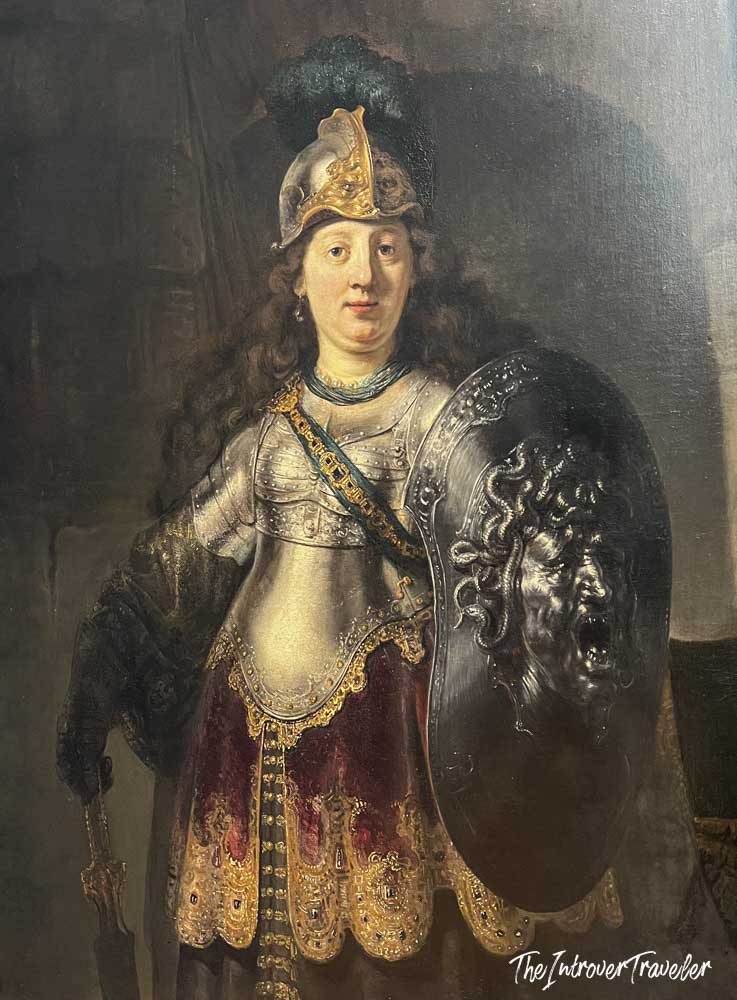
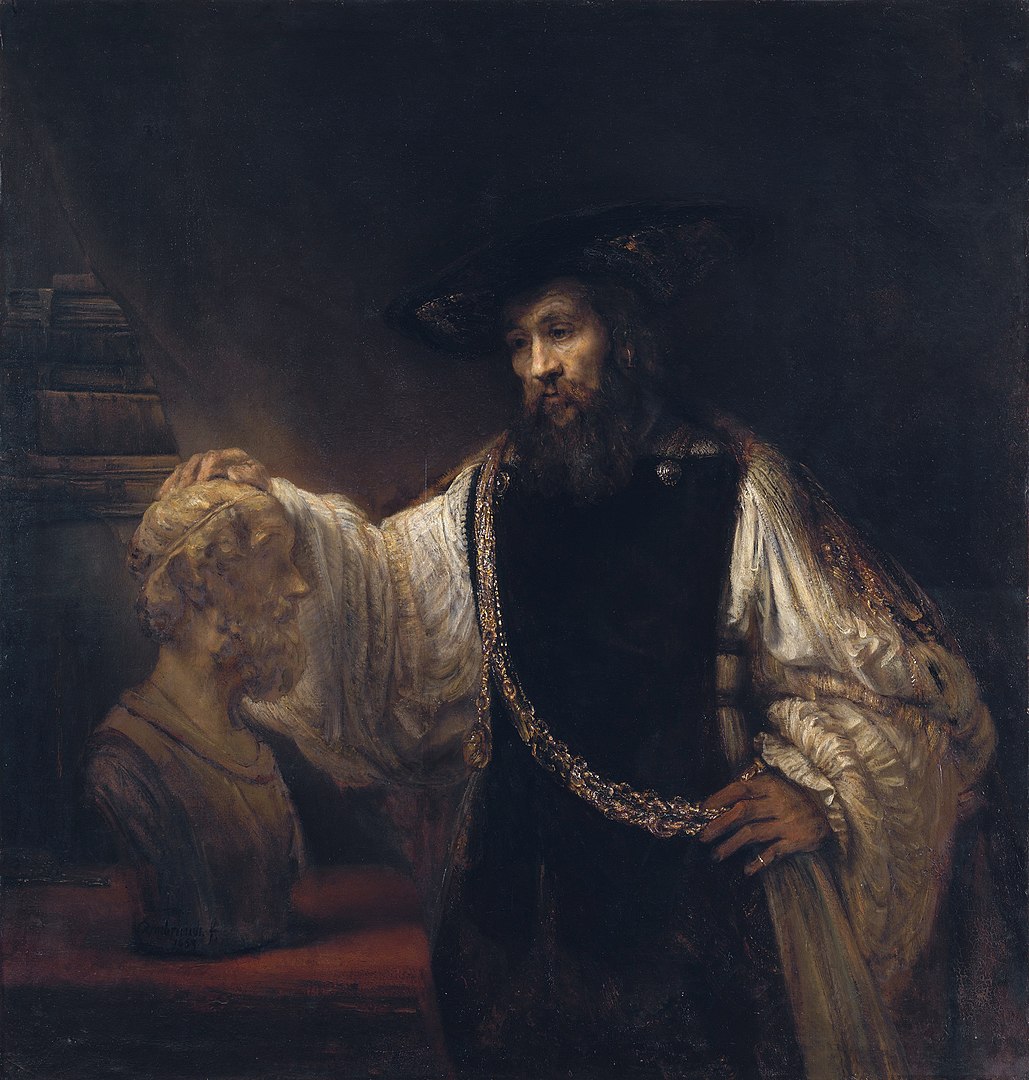
I add to my personal selection of noteworthy works a Bronzino worthy of the best works exhibited at the Uffizi, the Ecce Homo by Antonello da Messina (quite illegible behind too shiny glass), The Penitent Magdalene and The Fortune Teller by Georges De La Tour.
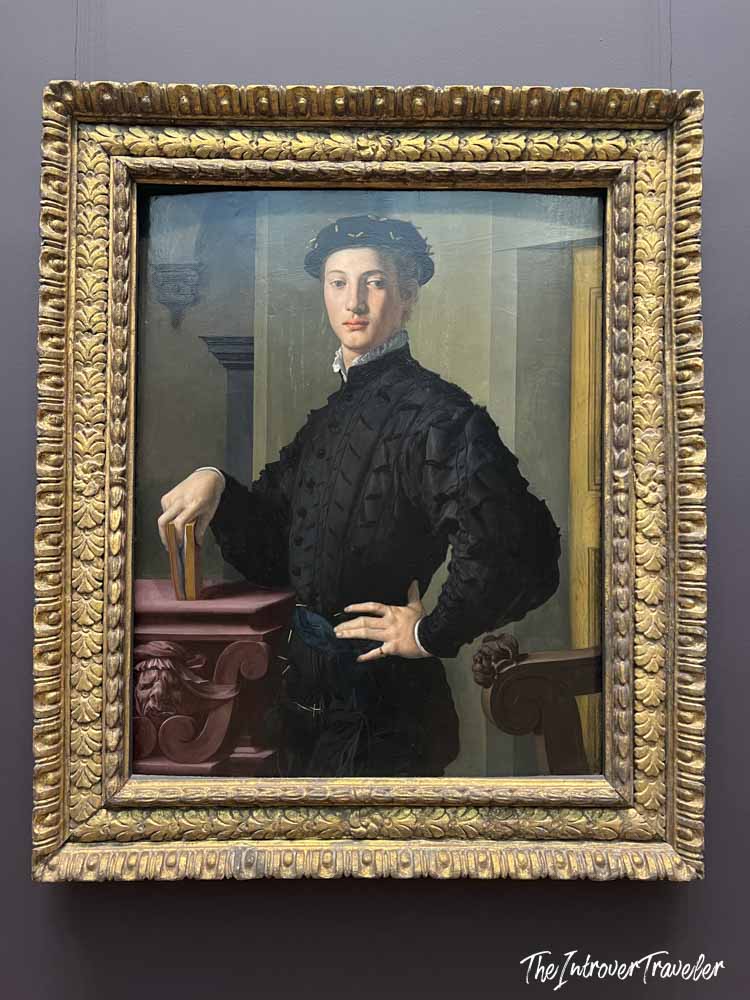
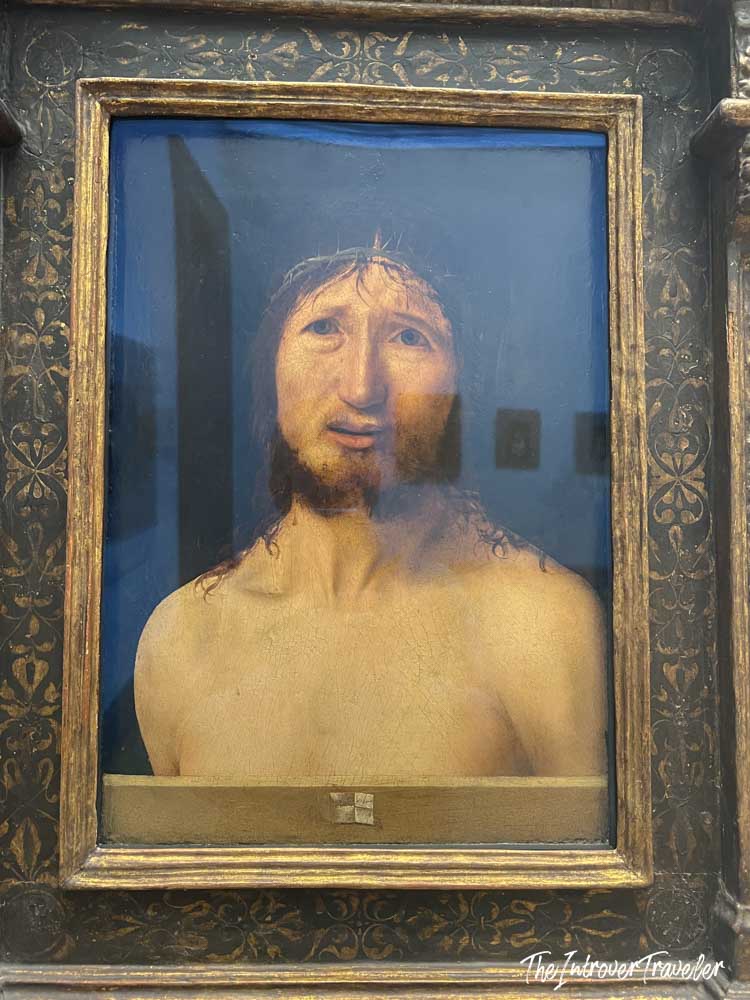
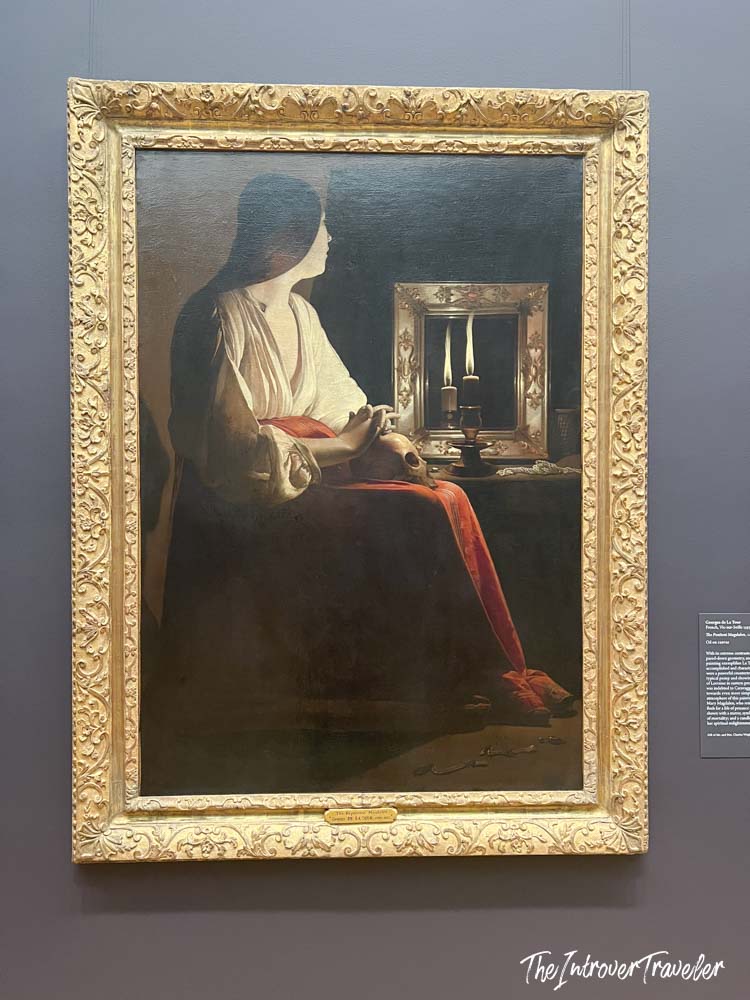
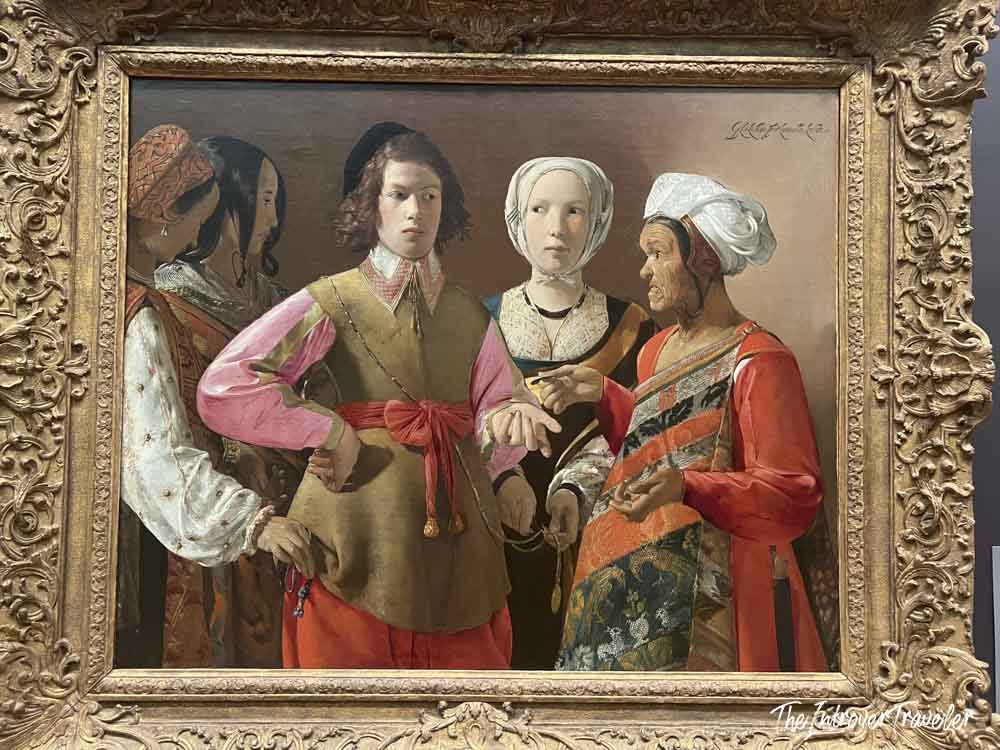
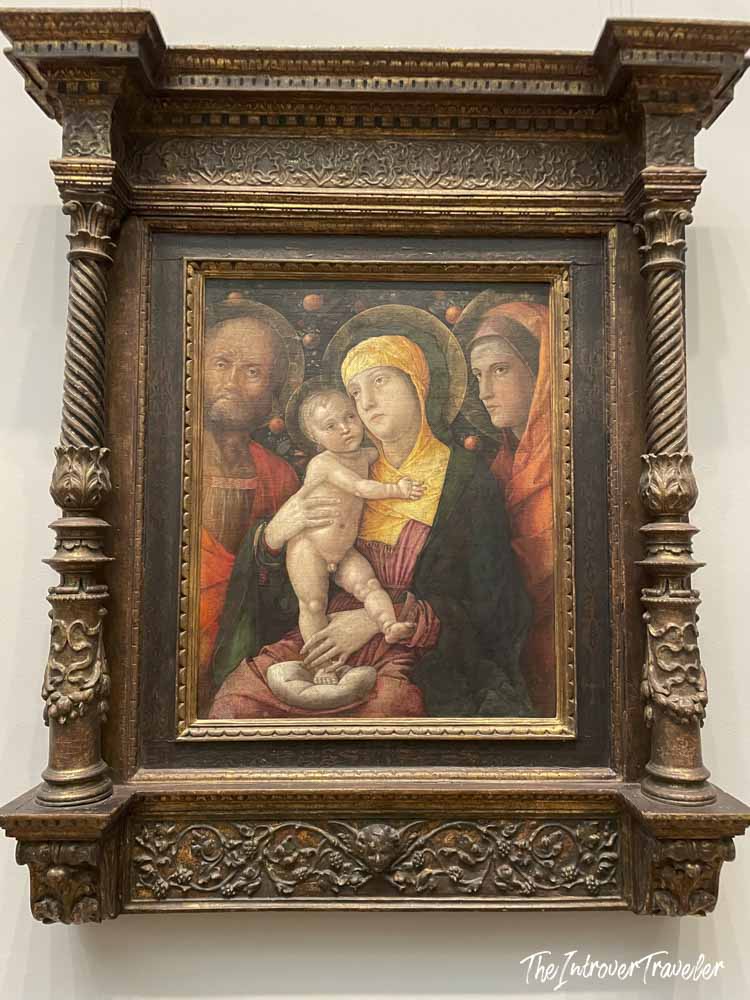
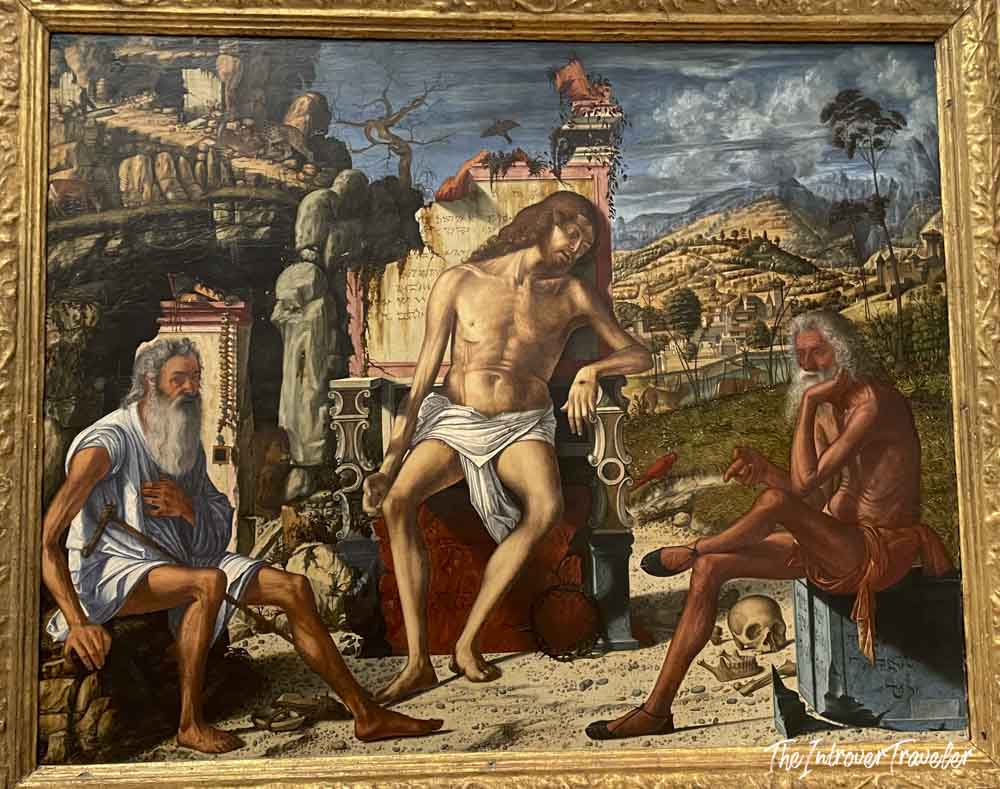
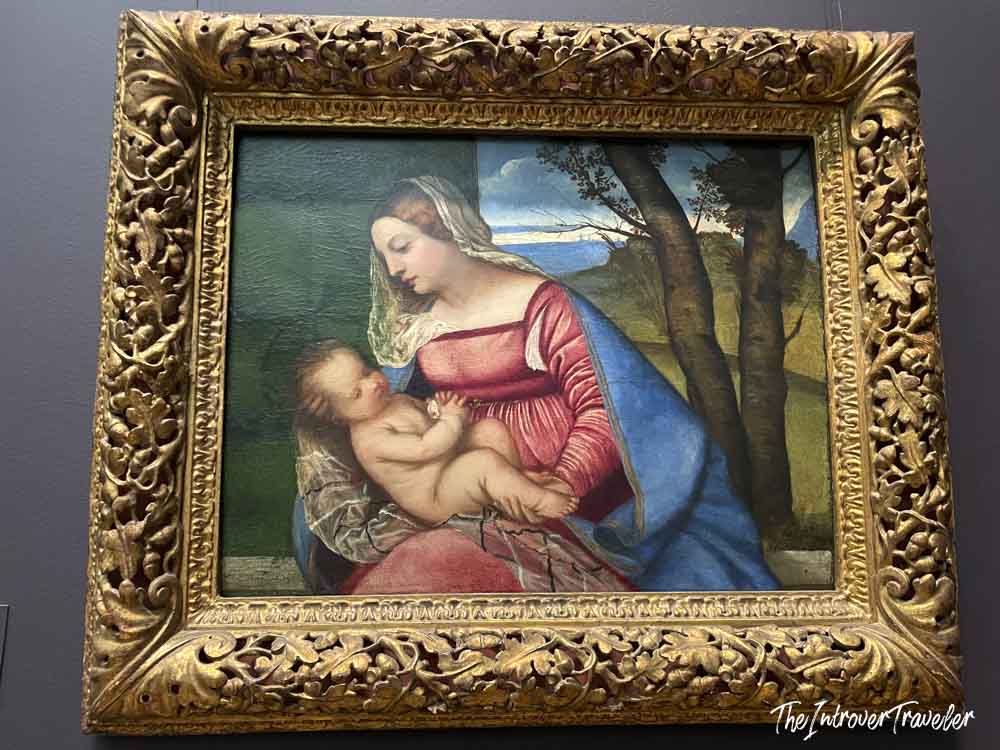
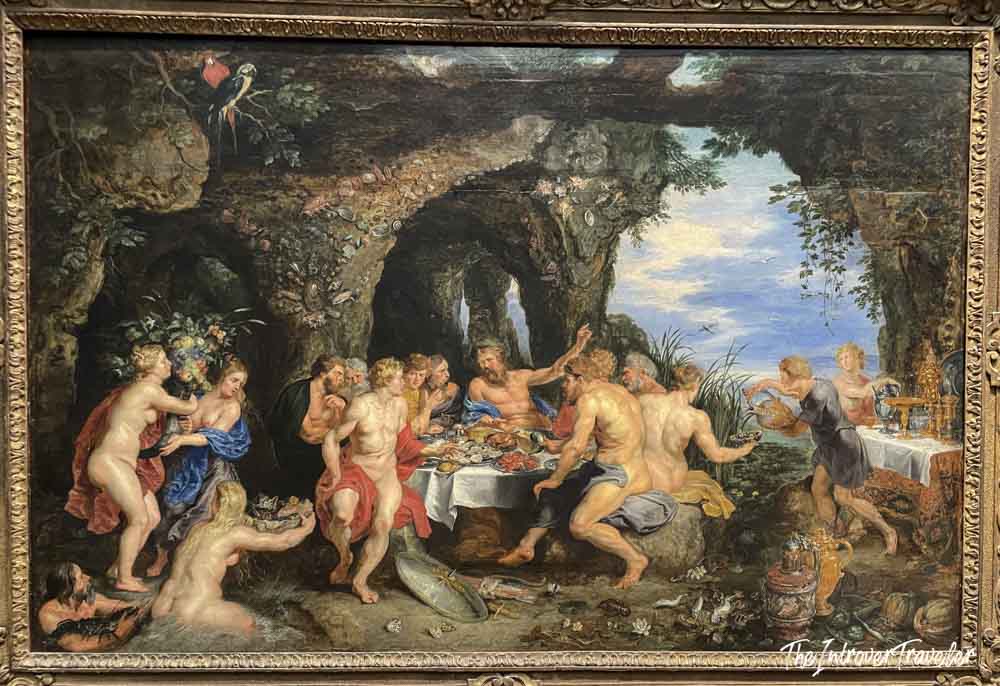
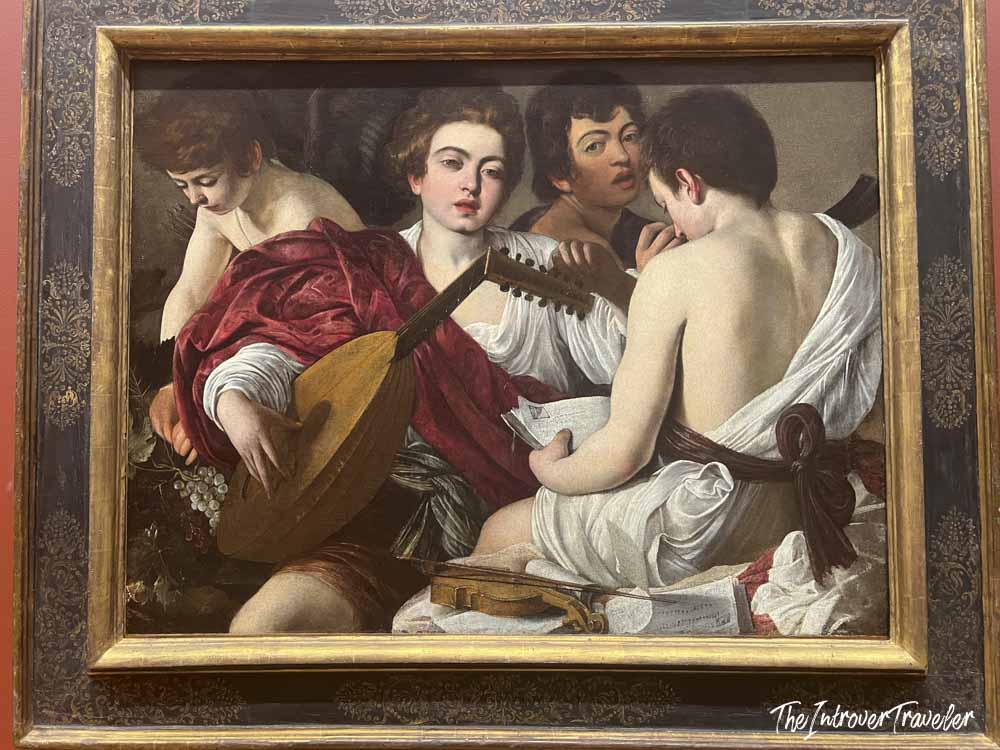
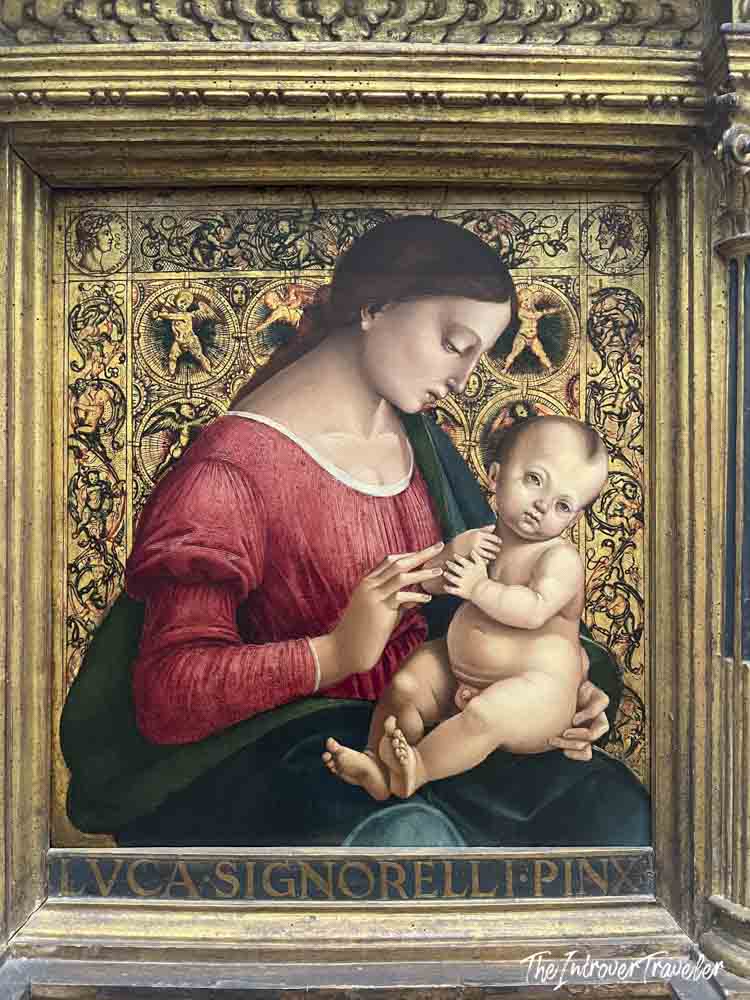
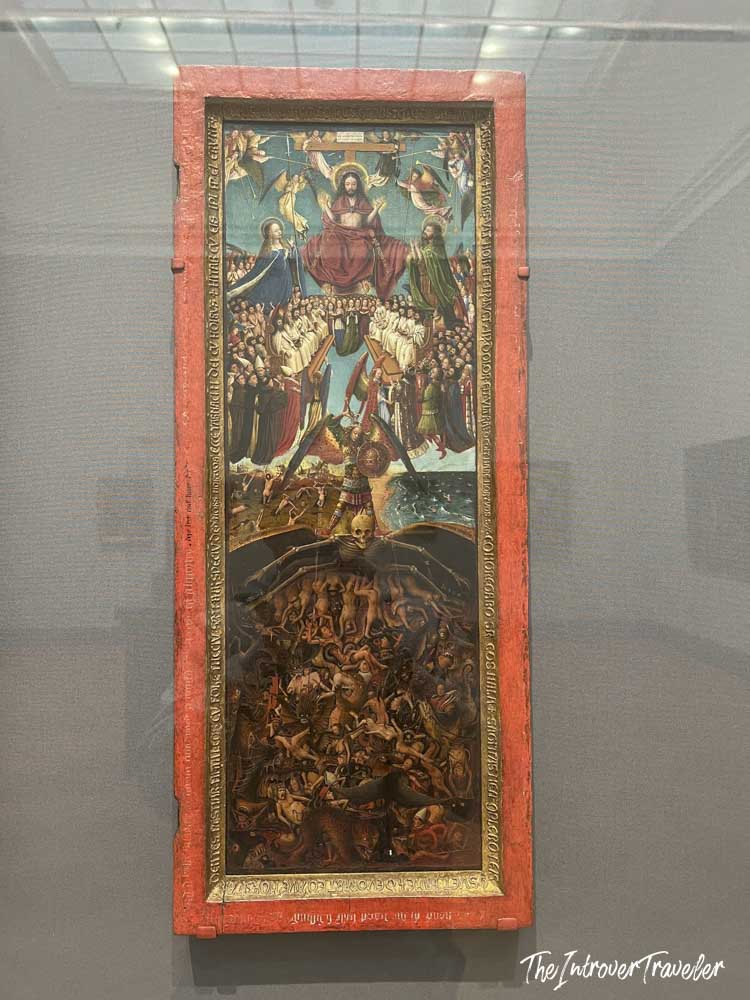
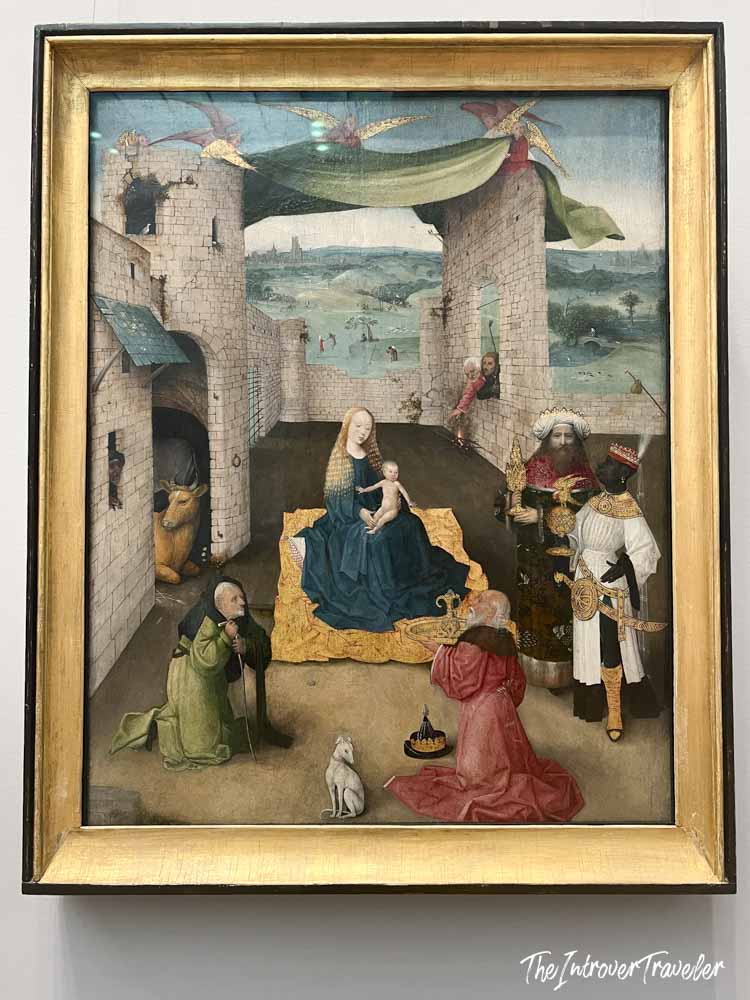
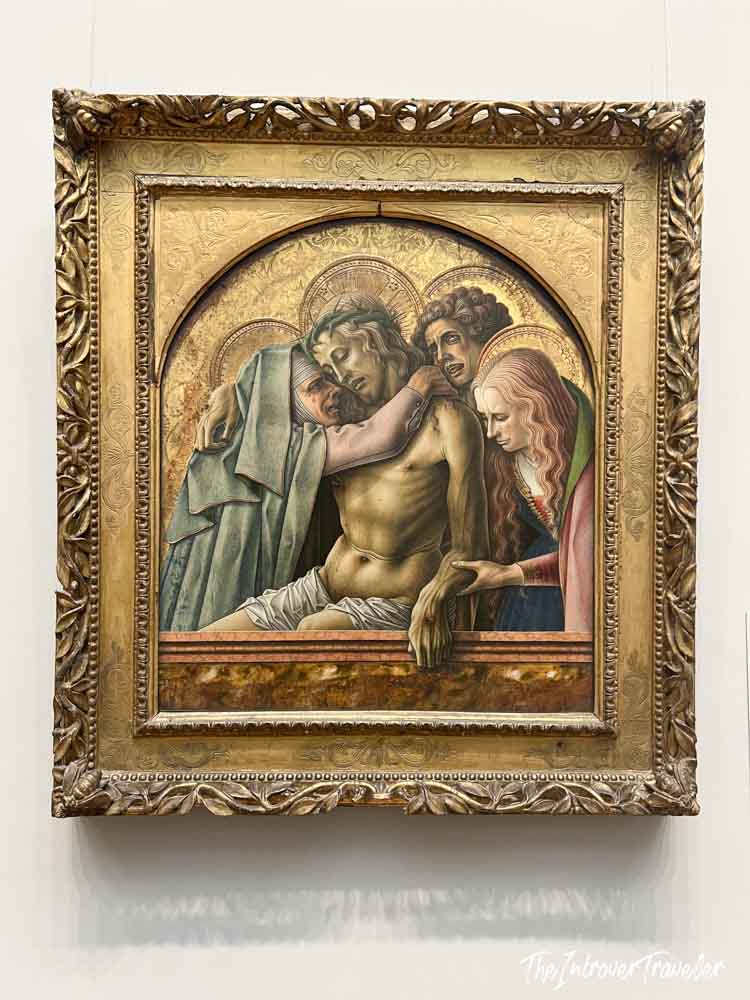
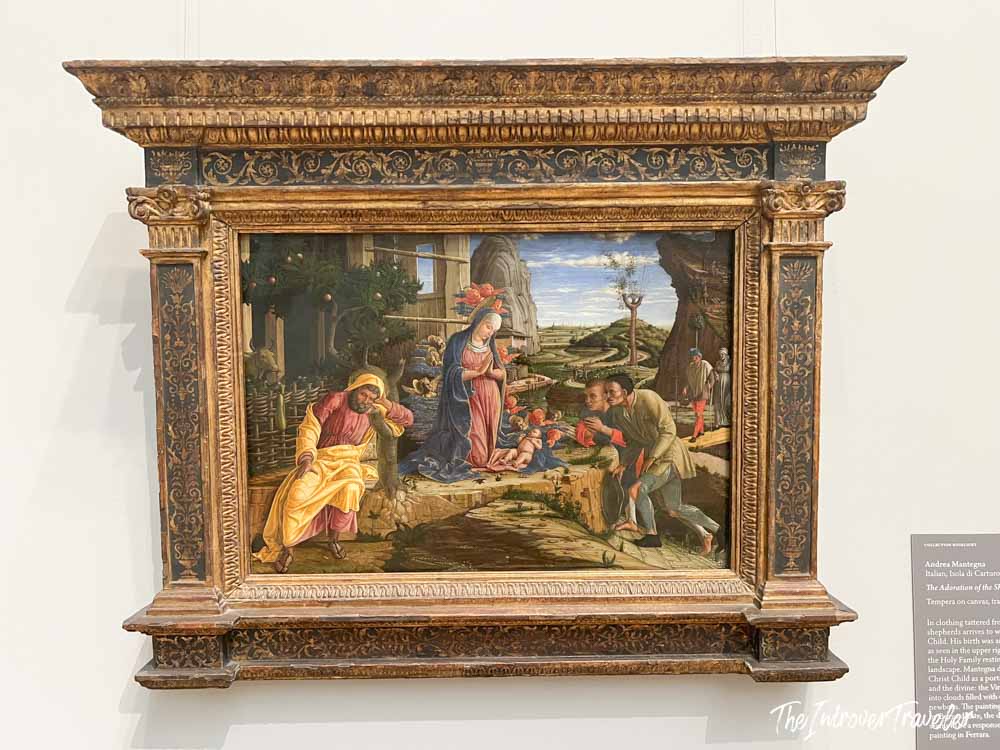
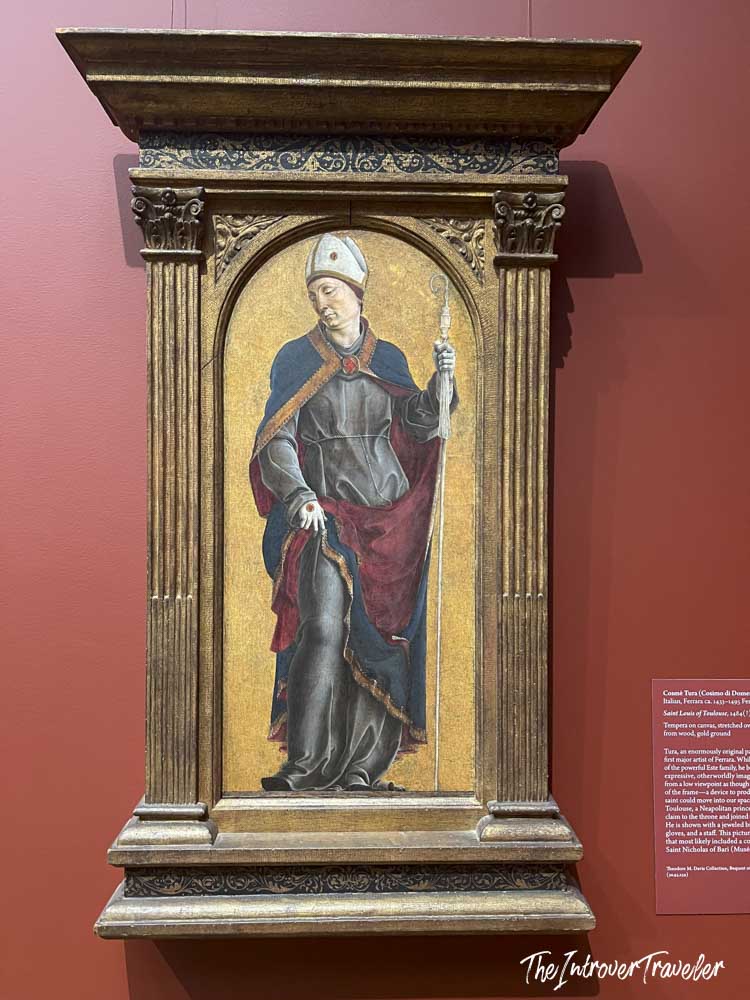
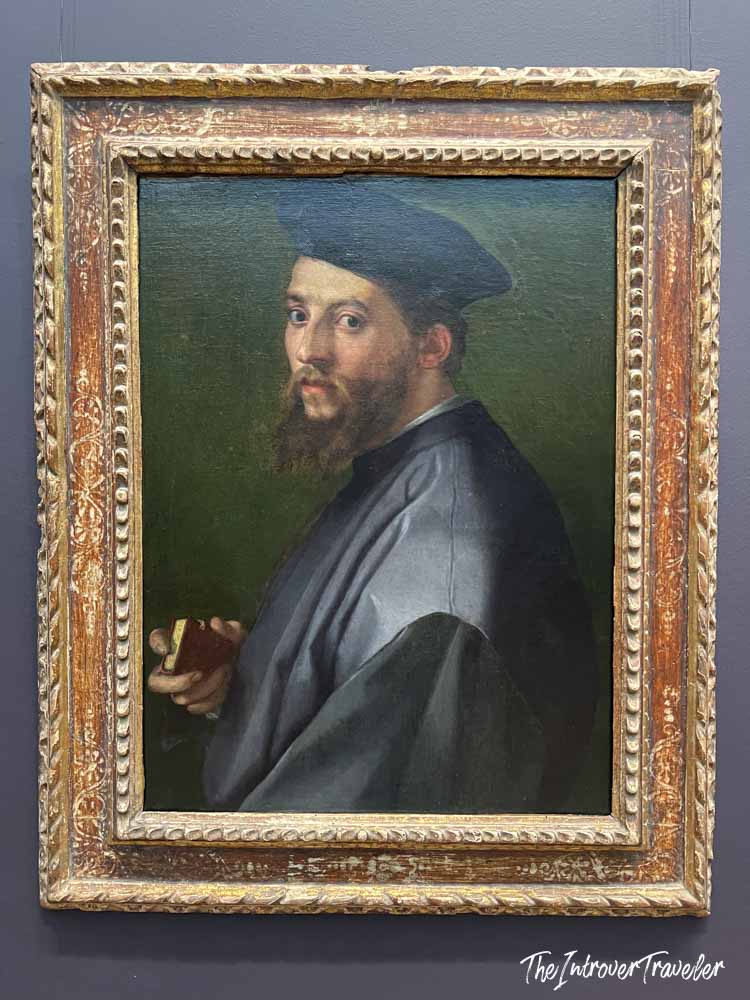
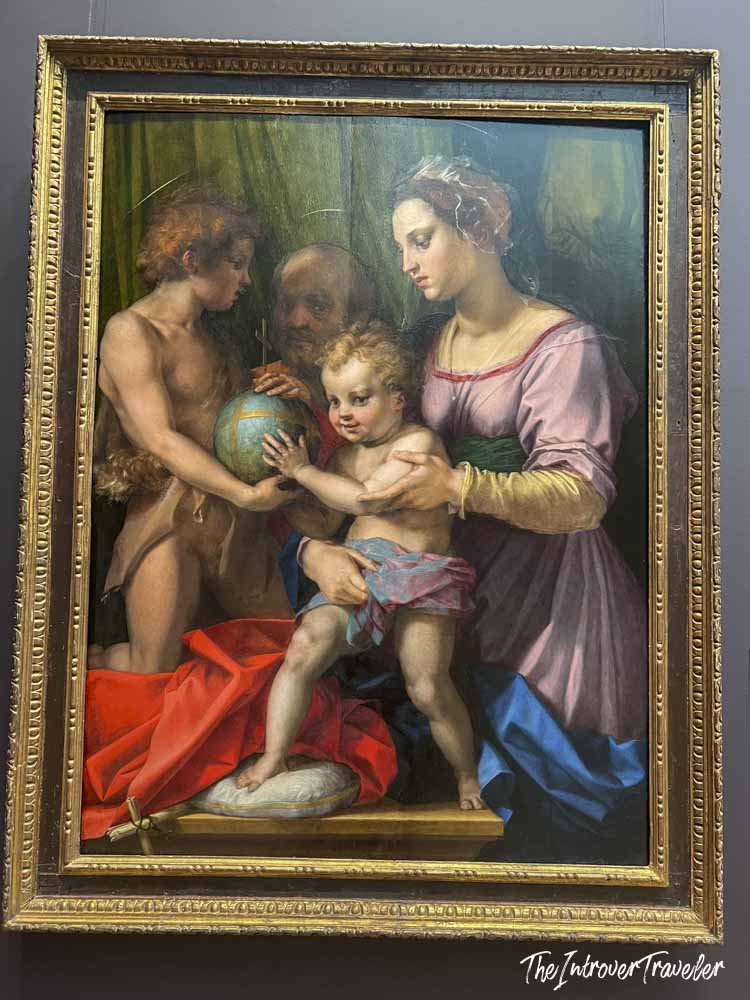
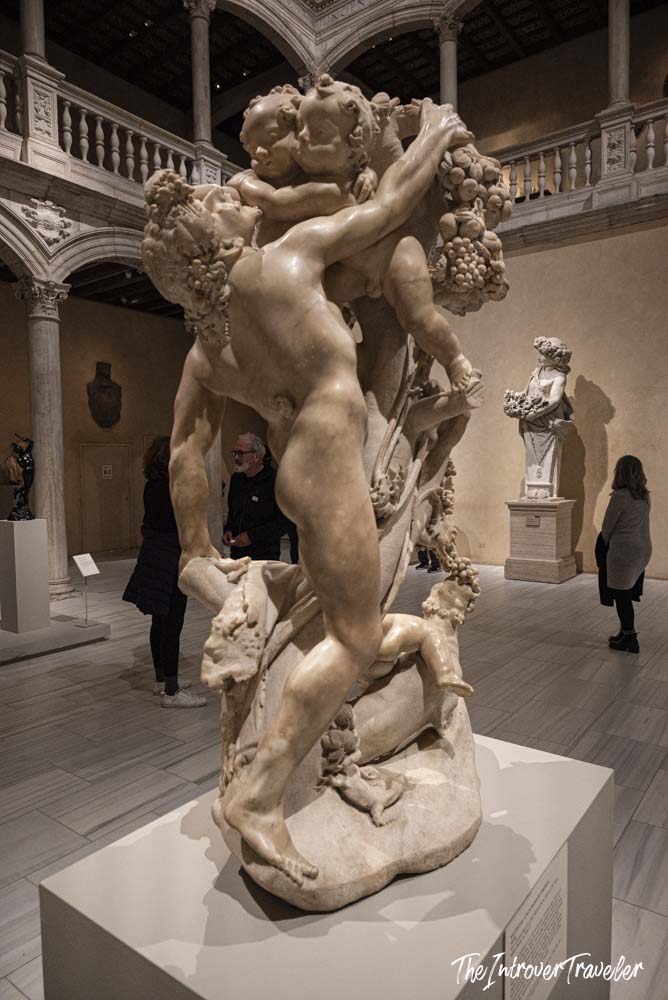
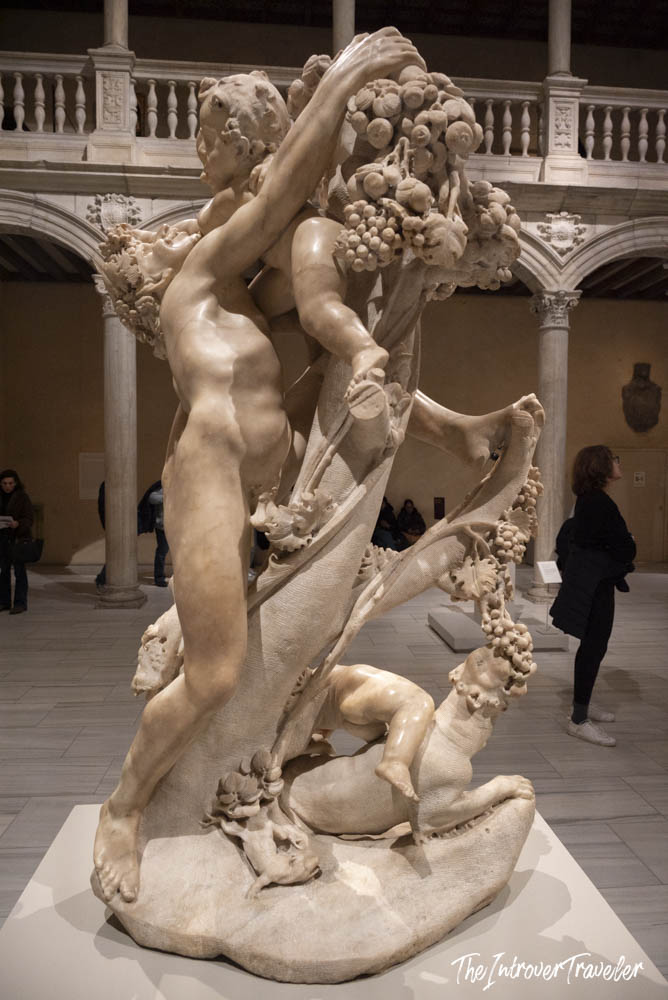
The works I have cited above are my very personal selection among the works I consider most significant; obviously the collection is immensely larger and it would have been impossible, as well as sterile, to document all the valuable works exhibited (for example, I do not even mention three important works by Titian). I reject below, as in a residual and anonymous mass grave, to conclude my summary of this section, the photos of some “minor” works by great names in the history of art such as Botticelli, Bosch, Carpaccio, Mantegna, Van Eyck, Luca Signorelli, Andrea del Sarto, Cosmè Tura, Carlo Crivelli which, from my personal point of view, almost all have a common characteristic: they are works unknown to me created by authors whose production I thought I knew almost all, in addition to some works, such as a Rubens, a Goya and a Velazquez, which I add just because.
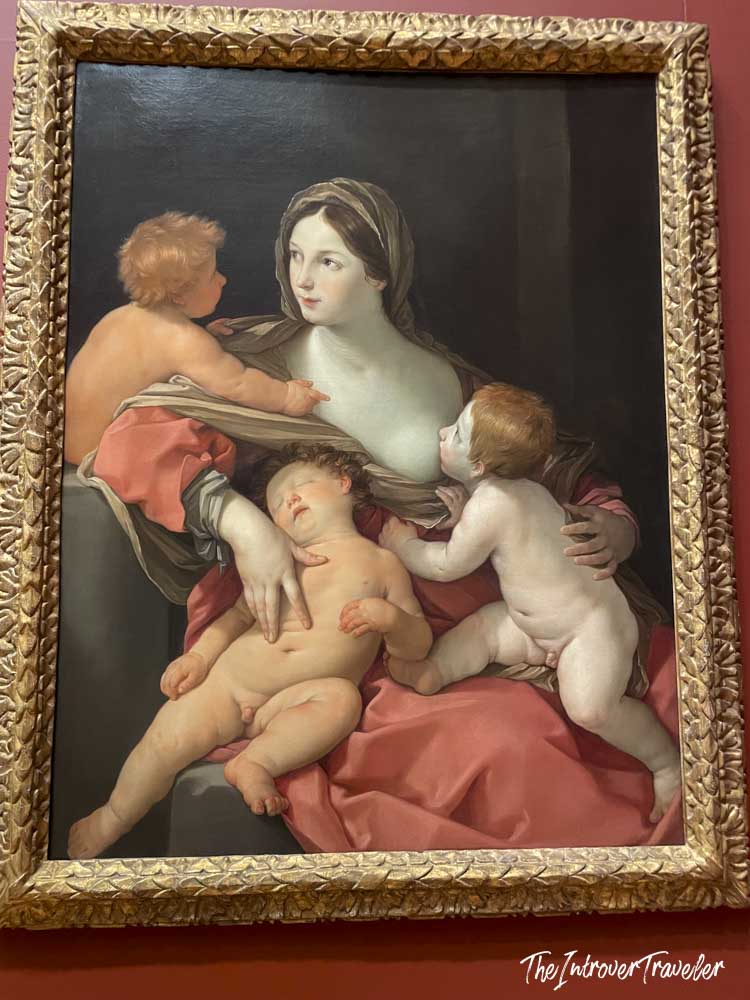
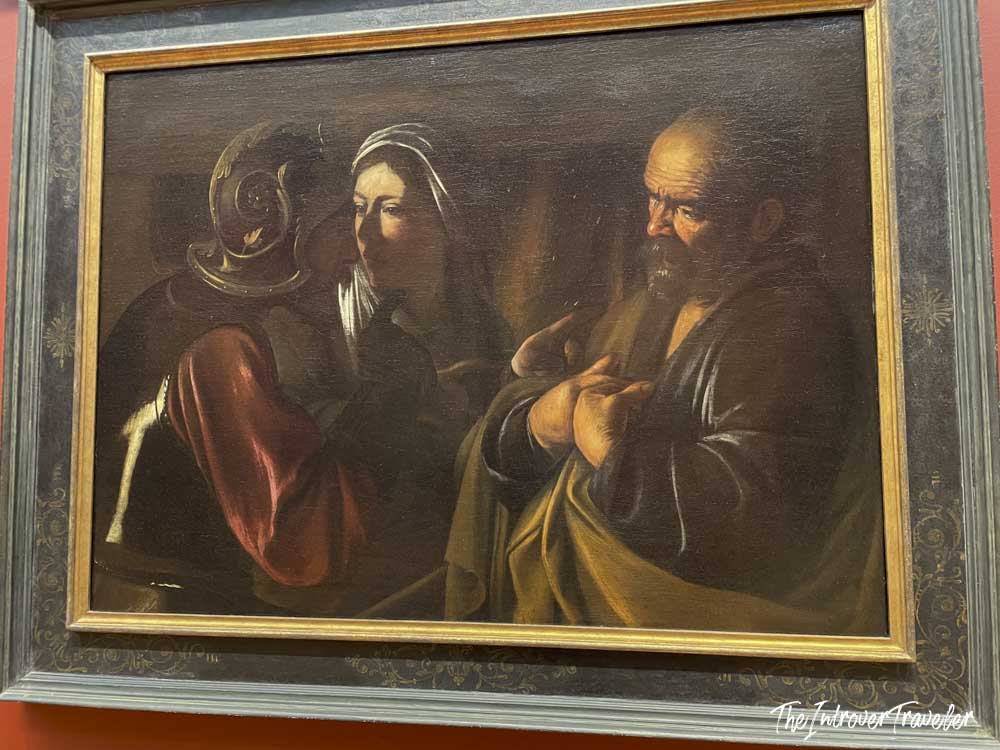
Sections of Asian and Arab art
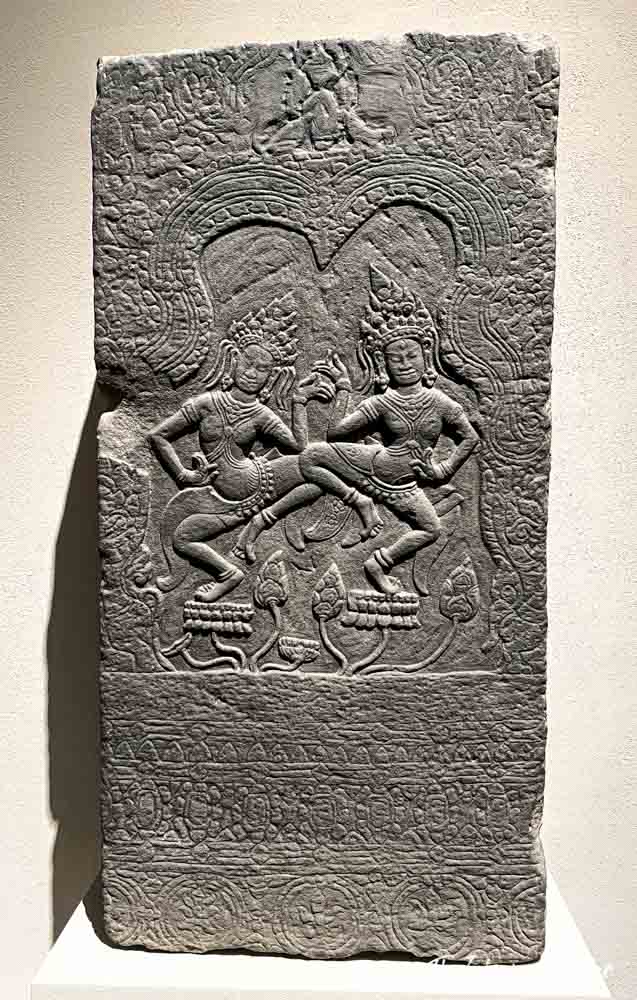
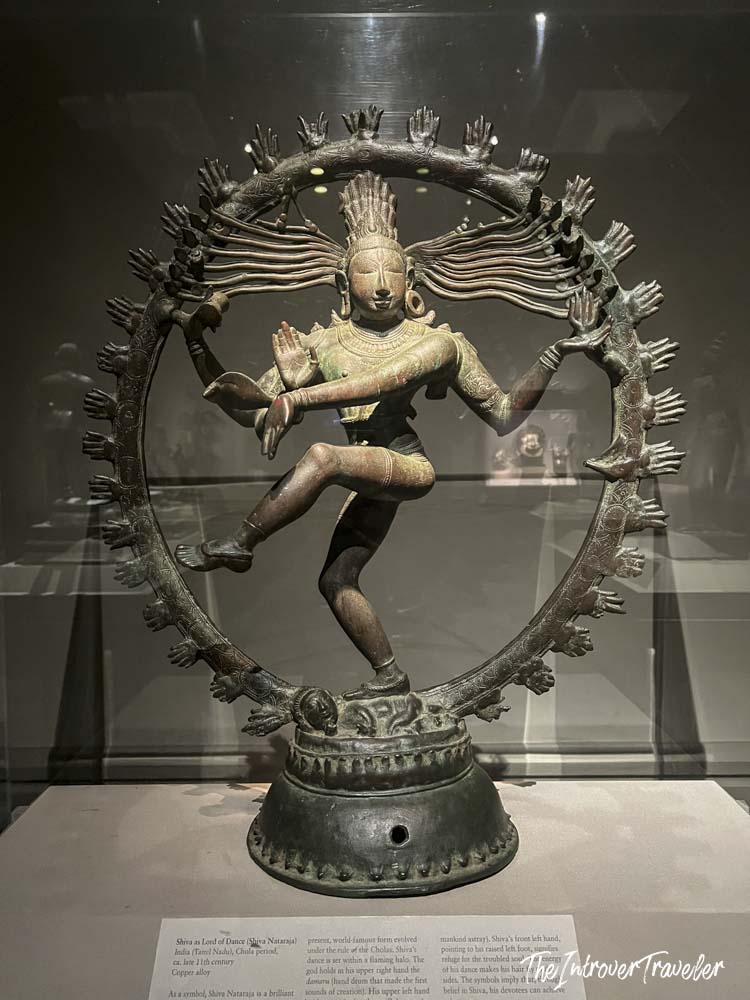
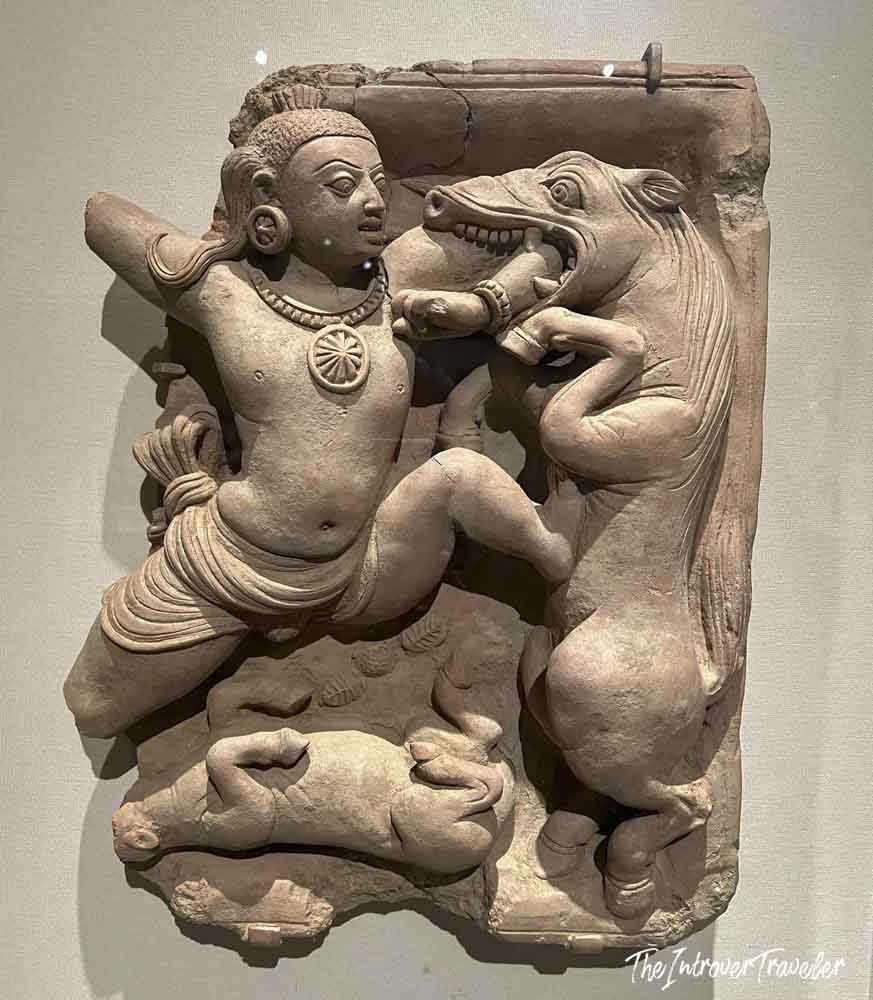
As I said, the MET offers much more than I was able to see in a long day of visiting; I have included a few photos of other sections below, to convey the sense of variety and vastness of the collection. At the end of the day I managed to dedicate a few dozen minutes to the Asian section which, despite having some interesting works, seemed overall a bit disappointing (especially the Chinese and Japanese sections, about which I had high expectations), while I dedicated very little space to the Arab world which instead gave me the impression of having something more to offer.
Conclusions
At the end of the day and after almost 10 km of walking, the visit to the MET leaves me with mixed feelings. It is not only the lack of identity of the Museum, which I have already spoken about in the first part of the post; as I have already written, museums such as the Uffizi in Florence, the Prado in Madrid or the Rijksmuseum in Amsterdam are prestigious showcases of the best works produced by the culture and the country that hosts the museum itself; this cannot be said of the MET, which at most could be described as an exhibition of the hypertrophic commercial capacity of the most important museum of the richest city in the world, which makes the MET more of a Wunderkammer than a museum capable of competing culturally with other large museum institutions. However, this objection could also be raised against other large museums, starting with the Louvre, the British Museum, and the National Gallery, where the main works are often the result of acquisitions or spoliations that have little to do with the local culture. The problem, I was saying, is not only the lack of a cultural identity of the MET, whose collections, however rich, sometimes seem to have been assembled in a somewhat haphazard way; I believe that another limit of the MET lies in the history of an institution that is relatively young, if compared to the great European museums; I have not studied the history of the MET in depth, but it seems clear to me that the bulk of the collections was formed when the great European museums had already been established and the great works had already been appropriated; so it is natural that the best works of Botticelli are in the Uffizi, where they have been for centuries, that the main works of Goya or Velazquez are in the Prado, that the main works of Rembrandt are in the Rijksmuseum or that the few works of Leonardo, for example, even if distributed throughout Europe were no longer available to enrich the collection of the MET; whoever looks for a Botticelli at the MET, for example, will find one, even of good workmanship, but obviously we are light years away from the Primavera. This limitation applies to almost every section, from the works of Carpaccio, Bosch, Van Eyck, Mantegna, Caravaggio and Guido Reni, to Impressionism, from the Arms Gallery which, although beautiful, cannot compete with the Stibbert Museum in Florence, to the Greco-Roman section, which, although it shows an hypertrophic effort in purchasing a large number of works on the market, can never be on par with the Capitoline Museums, which at every step exhibit a Belvedere Torso or a Laocoon and so on. If, therefore, the MET cannot compete on the high notes, it makes up for it on the overflowing dimensions and the incomparable variety of works exhibited, however always and undoubtedly valuable; in other words, it can be said that the MET is a colossal collection of many collections which, evaluated individually, would be good but not sensational and which rise to excellence not only for their quality but above all for their quantity.
For the sake of completeness, it must be said that among the sections I decided to sacrifice there is also the one on American art, which probably would have led me to partially revise my critical judgment.
That said, just as one can visit the Horne Museum in Florence with great pleasure knowing that one will not find Michelangelo’s Doni Tondo or Rembrandt’s Night Watch there, one can also visit with immense pleasure the MET, which will stun you with an indecent abundance of beauty from every place and time, and without taking anything away from my presumption as an Italian and European aware of the fact that, no matter how much money they put into it and no matter how many multimillionaire bankers the United States may generate, as far as art is concerned, we will always be a little ahead. Sorry about that, USA.
Practical advice
I visited the MET on January 3, in the middle of the Christmas holidays; entering at opening time I only had to queue for a few minutes; even though I booked well in advance, I did not have the impression that the reservation was necessary; in any case, for reservations well in advance, I always use Tiqets , which allows me to cancel up to 24 hours before entry and receive a full refund.
Even though it was the height of the Christmas holidays, and therefore with a significant influx of visitors, I did not have the perception of excessive crowding; the museum is so large that, no matter how many visitors there are, they disperse.
As I said before, I think it is essential to visit the museum on Fridays or Saturdays, when it is open until 9 pm, otherwise the time to visit the museum is definitely insufficient.
This article is part of my New York series. If you are planning a visit, you may also want to read my complete New York travel guide.
If you are planning a trip to New York you may be interested in these posts and these offers from Tiqets.
Other Museums to Visit in New York
The Met is the largest museum in New York, but it is far from the only one worth your time. If your trip allows, consider:
- MoMA: the gold standard for modern art. Read my MoMA visitor guide. Skip-the-line ticket.
- Guggenheim: famous architecture, mixed collection. Read my honest review. Tickets.
- Neue Galerie: small but exceptional, with Klimt and Schiele. Read my guide.
- The Met Cloisters: medieval art in a recreated cloister, included in your Met ticket.
- Frick Collection: among the world’s finest small art museums (newly reopened).
Books and Further Reading
It is genuinely impossible to prepare for the Met. With nearly one and a half million objects spanning five thousand years of human visual production, no amount of pre-reading will make you walk in feeling ready. That said, a few books help build a vocabulary for what you are about to see, and prove infinitely more useful than the average travel guide.
If I had to pick a small starter shelf for a serious visitor, this would be it.
- “The Metropolitan Museum of Art Guide” (Amazon). The museum’s own official guide, organized by collection area, with brief commentary on the most important works of each section. Probably the closest thing to a single-volume preparation that exists.
- “Greek Art” by John Boardman (Amazon). The Thames & Hudson classic in the World of Art series. A short, dense, and genuinely well-written introduction that will make the Greek and Roman galleries far more rewarding to walk through.
- “Reading Egyptian Art” by Richard H. Wilkinson (Amazon). Compact and practical. Decodes the symbolic conventions of Egyptian art (gestures, attributes, hieroglyphic captions) so that you stop seeing the rooms as a sequence of decorative oddities and start reading them as a coherent visual language.
A note on transparency: the Amazon links above are affiliate links. If you buy through these links I receive a small commission at no extra cost to you.
Frequently Asked Questions about the Metropolitan Museum
How long does it take to visit the Metropolitan Museum?
A meaningful visit to the Met requires at least one full day, ideally on a Friday or Saturday when the museum stays open until 9pm. To cover most of the highlighted sections (Greek and Roman, Egyptian, European Paintings, American Wing, Arms and Armor, Modern Art) you should plan around 10 to 11 hours. To do justice to the entire museum, two days are realistic.
What are the must-see works at the Metropolitan Museum?
Among the most important works at the Met are the Temple of Dendur, the Monteleone Chariot, the Euphronios krater, the Gubbio studiolo, and major paintings by Vermeer, Rembrandt, Caravaggio, El Greco, Velazquez, Botticelli, and the Impressionist collection. The Arms and Armor Gallery and the Robert Lehman Collection are also essential stops.
How much does a ticket to the Metropolitan Museum cost?
The suggested admission for adults is $30, with reduced prices for students and seniors. New York State residents and students from NY, NJ and CT can pay what they wish. Booking a skip-the-line ticket online in advance is recommended to avoid queues at the entrance.
When is the best time to visit the Met to avoid crowds?
The Met is busiest on weekend afternoons and during holiday seasons. The best times to visit are weekday mornings right at opening, or Friday and Saturday evenings after 6pm when the museum stays open until 9pm and crowds thin significantly. Avoid the first hours of Saturdays and rainy afternoons.
Where is the Metropolitan Museum located?
The main building of the Metropolitan Museum is located at 1000 5th Avenue on the Upper East Side of Manhattan, facing Central Park. The closest subway stop is 86th Street on the 4, 5, and 6 lines. The Met operates two additional locations: The Met Cloisters in Upper Manhattan, dedicated to medieval art, and The Met Breuer (now closed).
Is it possible to visit the Met in one day?
Yes, but only with a clear plan. The Met is too vast to be covered exhaustively in a single day. To make a one-day visit work, you should select 4 to 5 sections of priority interest and accept that other areas will be sacrificed. A Friday or Saturday visit, with extended hours until 9pm, gives you the maximum time available.
What is the difference between the Met and MoMA?
The Metropolitan Museum is an encyclopedic museum covering five thousand years of art from all civilizations, while the MoMA (Museum of Modern Art) is dedicated specifically to modern and contemporary art from the late 19th century to today. If you are interested in modern and contemporary art, MoMA is the stronger choice; for everything else, the Met is unmatched.
Other things to book in New York
If you are still planning your trip, these are the experiences I most often recommend:
- Top of the Rock observation deck (better view than Empire State)
- Empire State Building
- Brooklyn Bridge walking tour
- Harlem Tour and Sunday Gospel Concert
Where to Stay Near the Met
The Met is on the Upper East Side, a quiet residential neighborhood that offers easy access to the museum but is somewhat removed from the more touristy areas. If you want to maximize the museum part of your NY trip, staying nearby makes sense; if you prefer to explore the city more broadly, Midtown is more central and similarly priced.
Suggested neighborhoods: Upper East Side (closest to the Met), Midtown East (best balance), Upper West Side (across Central Park, near the AMNH).