Tokyo National Museum, Ueno. How much time you actually need, what you see, what you don’t see, and why Japan’s greatest artworks are in Boston, New York, and Florence.
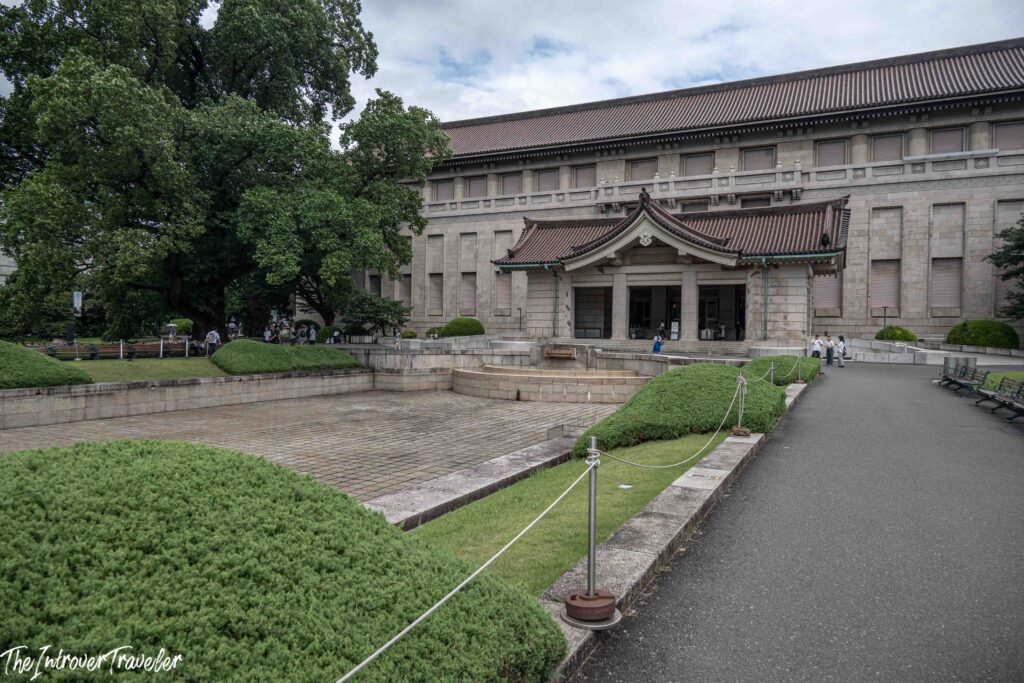
After my first trip to Tokyo a gap tormented me, a reason that, upon sober reflection, resembles a mild obsessive-compulsive disorder: during my first visit I hadn’t seen the National Museum, and the omission felt intolerable. Not “a shame.” Intolerable. Like having been to Paris without visiting the Louvre, or having been to the Sistine Chapel without looking up. A stain on the record of the serious traveler.
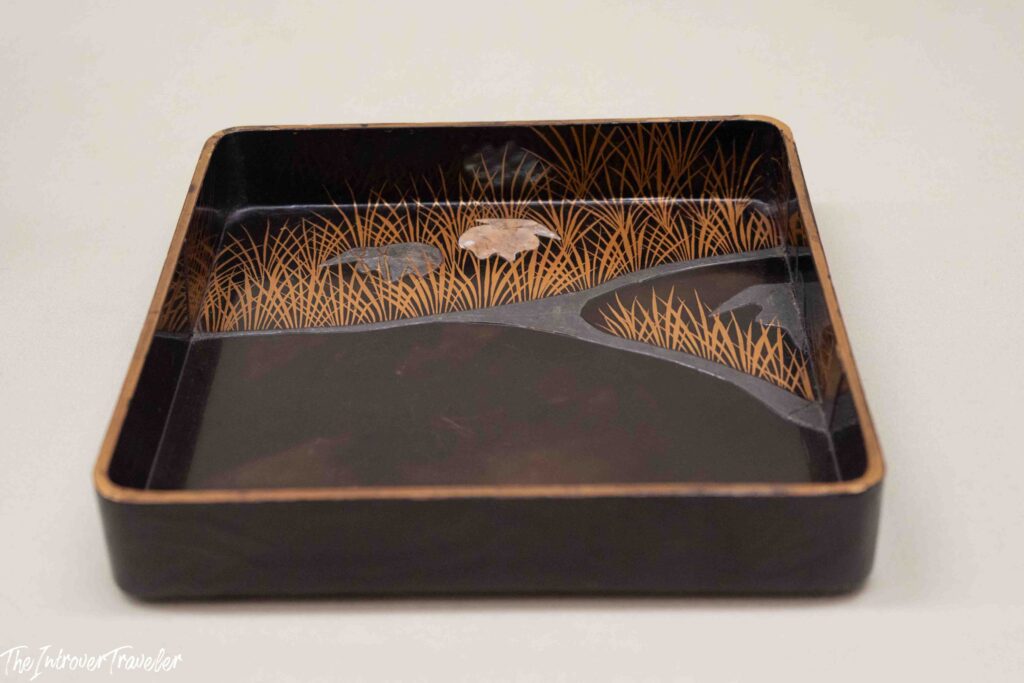
I visited it. And now I owe you the truth: it’s not essential.
Before the purists start writing me letters calligraphed with sumi ink, let’s get something straight. The Tokyo National Museum isn’t a bad museum. It’s an excellent museum. It’s the oldest museum in Japan, the most visited in the country (2,576,118 visitors in 2025, twenty-third in world rankings) and holds over 120,000 works, including 90 National Treasures and 652 Important Cultural Properties. On paper it’s a monster. In the reality of a visit, it’s a museum with undeniable average quality and strangely rare peaks.
Rating: 6. And now I’ll explain, with numbers, why that 6 is an honest judgment and not the whim of a tired Westerner dazed by jet lag. Though I confess, the jet lag was definitely there.
In summary: the verdict in thirty seconds
- Rating: 6/10
- Time needed: 3 hours, or 4 if you’re methodical. I spent more than five, but I’d landed in Tokyo that same morning and was moving at the pace of a funeral procession.
- Hours (updated August 2026): 9:30 a.m. to 5:00 p.m., last entry 30 minutes before closing. Closed Mondays. Extended evening hours on some Fridays and Saturdays.
- For whom: genuine enthusiasts of Japanese art and culture, people with a trained eye for calligraphy, ukiyo-e, ceramics, lacquerware, Buddhist sculptures.
- For whom not: anyone seeking the knockout punch, the room that brings you to your knees, the singular piece that justifies the trip. It doesn’t exist. Or rather, it does, but it’s probably in storage the day you visit.
- Web: https://www.tnm.jp/?lang=en
The museum sits in Ueno Park, ten minutes’ walk from JR Ueno Station, or fifteen minutes if you take the subway. There aren’t any of the logistical acrobatics Japan throws at other attractions: you exit the park, see a gate, walk through.
The ticket counter is fast. On normal days you’re through in minutes, and this bears saying because Japanese museum bureaucracy has a worse reputation than it deserves. The museum itself warns, though, that during peak periods, when a major temporary exhibition is running in the Heiseikan, waits at the main gate can exceed thirty minutes. In that case, buy online and go straight in. I visited on a Friday when a major exhibition was running and got in within two minutes, just time to buy a ticket from the automatic machine, without a second’s wait.
One thousand yen to access five buildings full of National Treasures is, in absolute terms, one of the cheapest things in contemporary Japan. Enjoy it while it lasts: the Agency for Cultural Affairs is pushing national museums toward dual pricing, meaning fees two to three times higher for foreign tourists than for residents and citizens. For the Tokyo National Museum there’s been talk of jumping from 1,000 to 3,000 yen. As of my writing, the official rate is still 1,000 yen for everyone, and no implementation date has been confirmed, but the plan exists, it’s public, and it’s why this paragraph will age poorly. That said, even at 3,000 yen the price would be fair.
Before anyone gets indignant about the tiered pricing, here’s a figure the museum itself released in its appeal for adequate funding: the annual budget sits around 2 billion yen, which is one-seventeenth of the Louvre’s, one-fifth of the British Museum’s, and one-third of South Korea’s National Museum. Walking through the museum, you often get the impression that there’s a great deal of available, unused space where other works could be displayed, and every now and then a vague sense of horror vacui creeps in; even the lighting gives the impression of having been designed decades ago and never updated since. The country that invented the very idea of heritage as national identity funds its national museum like a provincial library. Dual pricing is ugly, but the real obscenity is the number that made it necessary. Visiting the museum, you notice the budget is tight and more investment is needed, so a ticket increase would be welcome if it goes toward displaying more works or improving lighting.
Photographs: permitted in permanent galleries (no flash, no tripods, no selfie sticks), prohibited in temporary exhibitions; many of the finest works, though, carry a “no photo” sign, which I found decidedly irritating.
The layout of the museum: five buildings, five different logics
Honkan (Japanese Gallery), facing you at the entrance. It’s the main building and the best. Opened in 1938, it’s genuine regime architecture, born in the years when Japan was adopting a policy that didn’t endear it to the world, and the museum’s information gracefully skips over this.
Heiseikan. From 1999. Ground floor: Japanese archaeology. Upper floor: temporary exhibitions, the museum’s true economic engine.
Tōyōkan (Asian Gallery), to your right after the entrance. China, Korea, India, Gandhara, Southeast Asia, Western Asia, and Egypt, distributed along a spiral path.
Hōryūji Treasures Gallery. Built in 1999, it’s essentially a secondary wing you can visit fairly quickly at the end of your visit.
Hyōkeikan. Built in 1909 as a wedding gift for Crown Prince Yoshihito, the future Emperor Taishō, funded by a national subscription: nearly 24,000 people donated a total of 400,000 yen. Today it opens only for exhibitions and events, so you’ll likely see it only from outside.
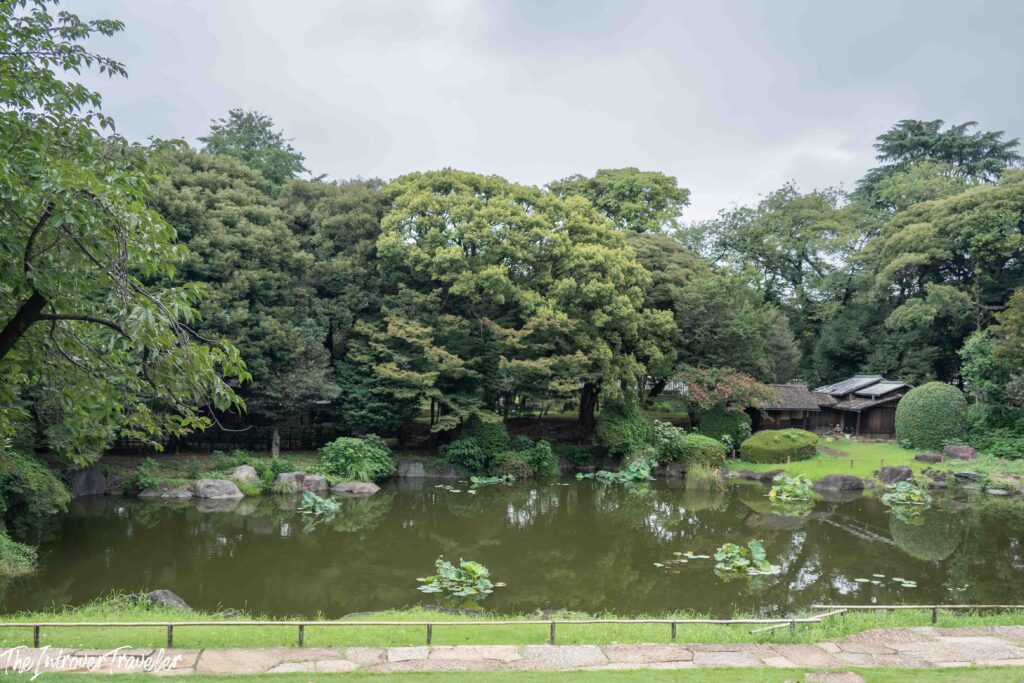
Kuromon, the black gate from the Edo period from the Tottori clan daimyo residence, an Important Cultural Property since 1951, and the garden with five historic tea houses, including the Tengoan attributed to master Kobori Enshū, open seasonally and weather permitting. Check the website first, or you’ll settle for looking over the glass.
Honkan: the best part, room by room
I personally followed the room numbering, starting from room 1 on the ground floor. This doesn’t follow a chronological path, but it seemed the most logical way to walk through without getting lost.
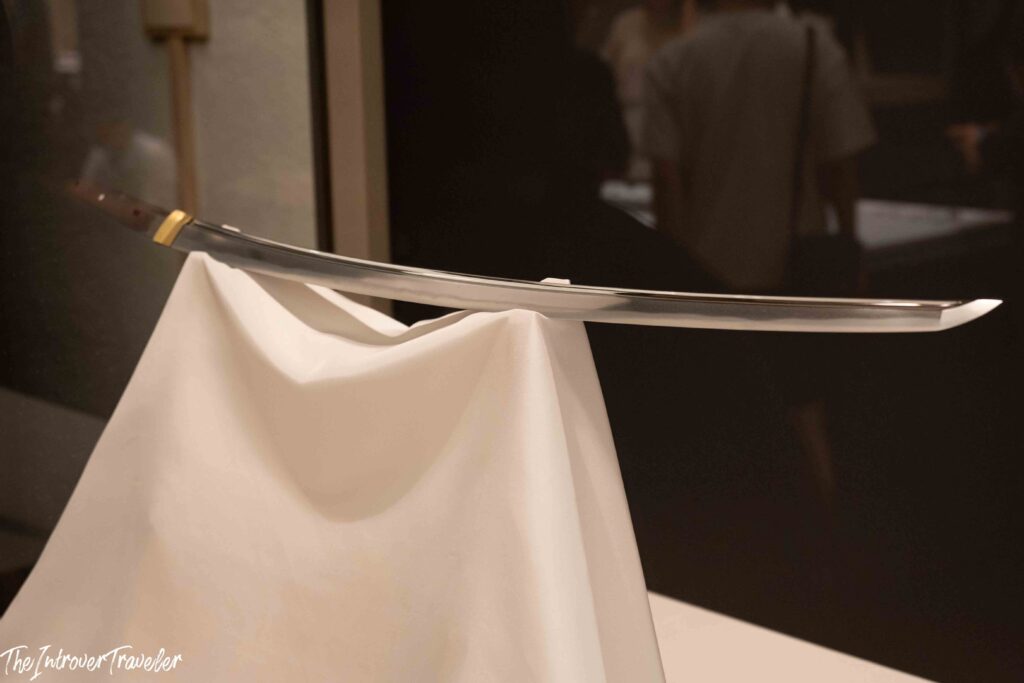
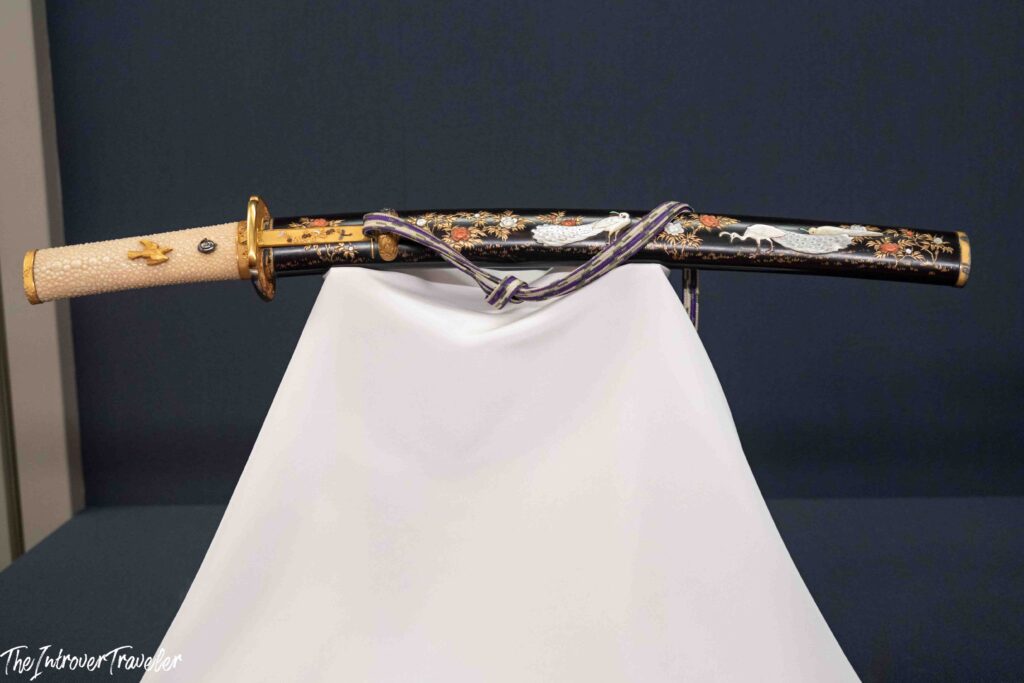
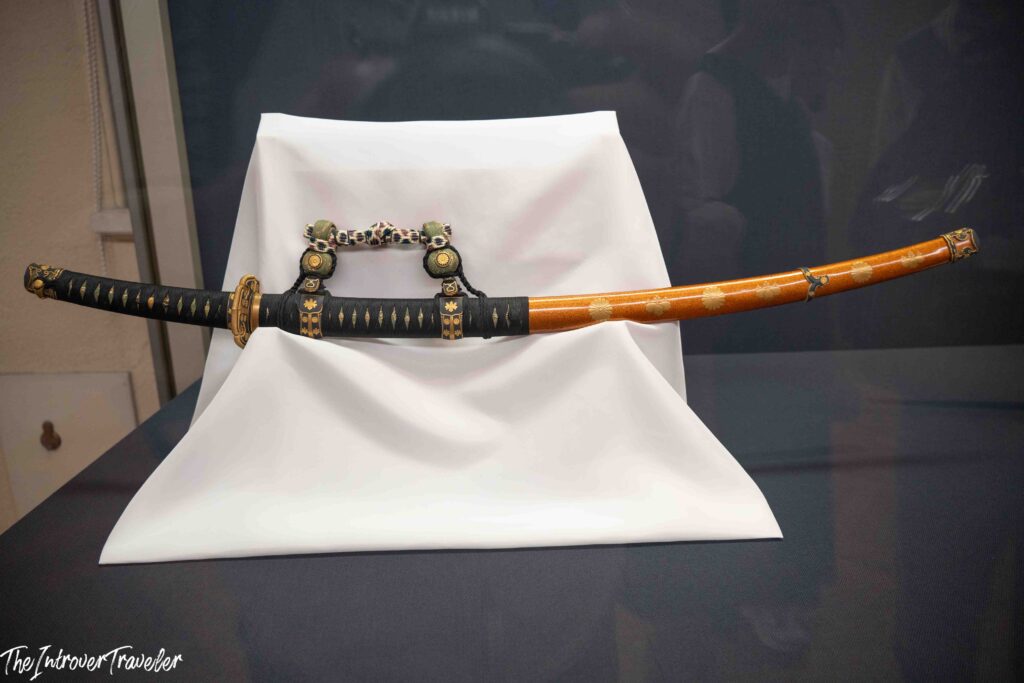
The first floor follows a categorical logic: sculpture (room 1), lacquerware (room 2), metals, swords, and ceramics (rooms 3-1, 3-2, 3-3), thematic exhibition (room 4), historical documents (room 5), Ainu and Ryūkyū (room 6), conservation and restoration (room 7), modern art from the late 19th century to the first half of the 20th (room 8).
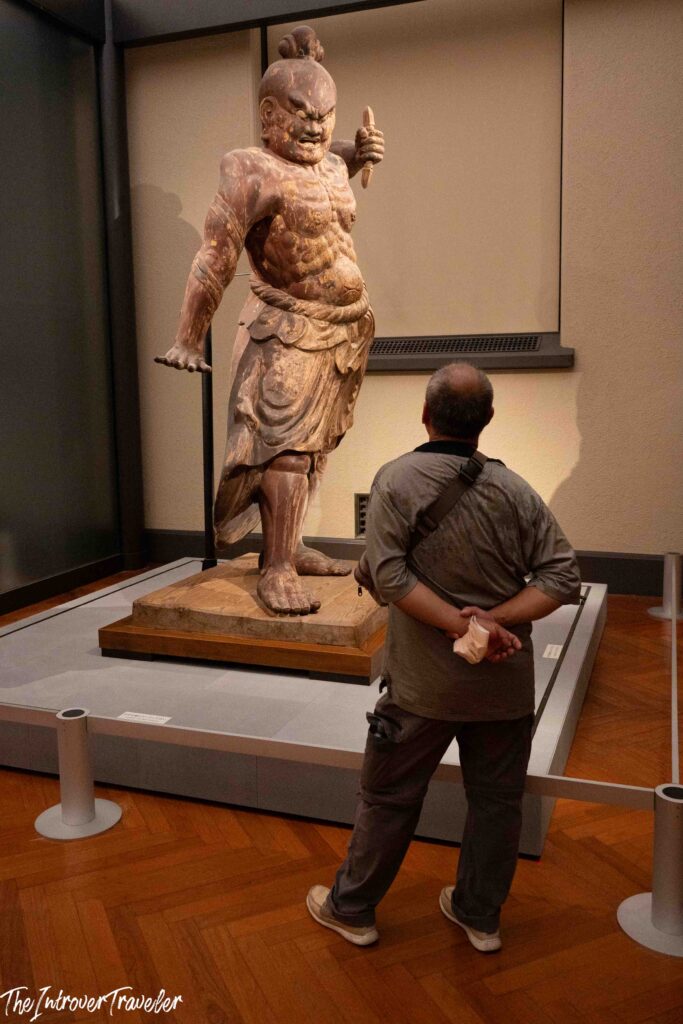
The ancient wooden sculptures in room 1 are, for my money, among the finest things in the museum. Wooden sculpture in Japan had reached the highest levels by the 11th century (I had other proof of this in Nara or on Mount Kōya, to name two examples). The polychromatic wood of Buddhist deities from the Heian and Kamakura periods has a physical presence and intensity that contemporary Western sculpture could never achieve.
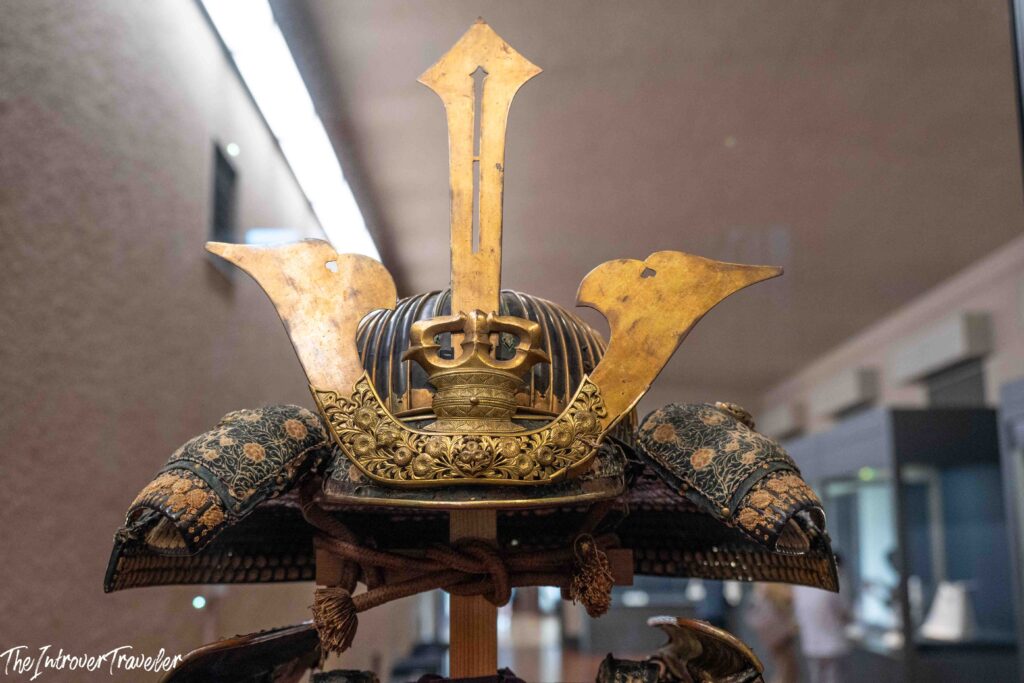
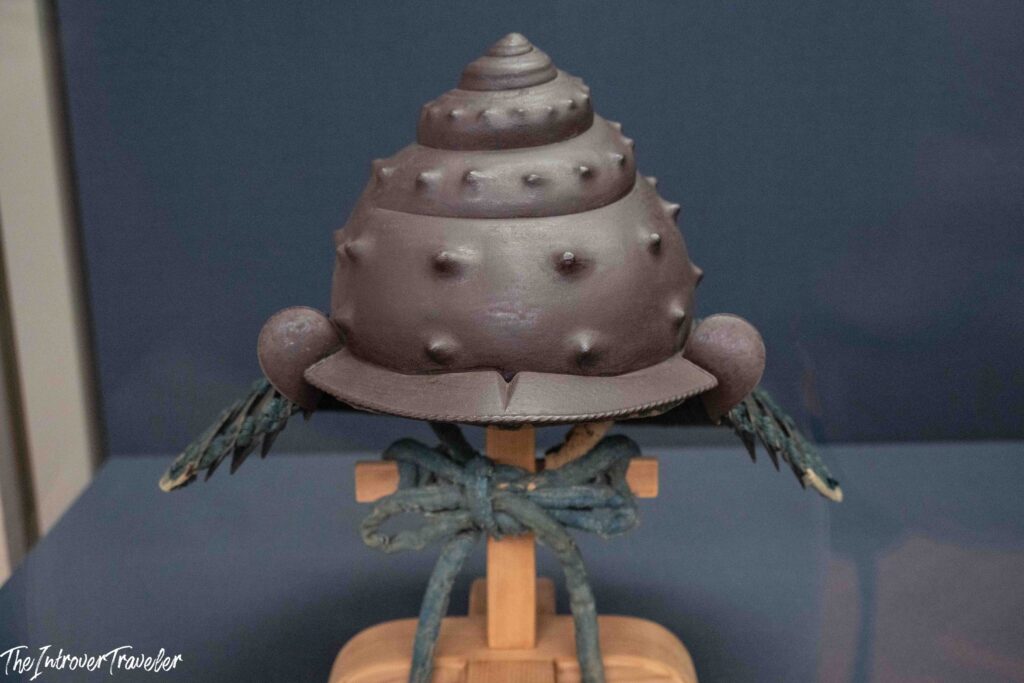
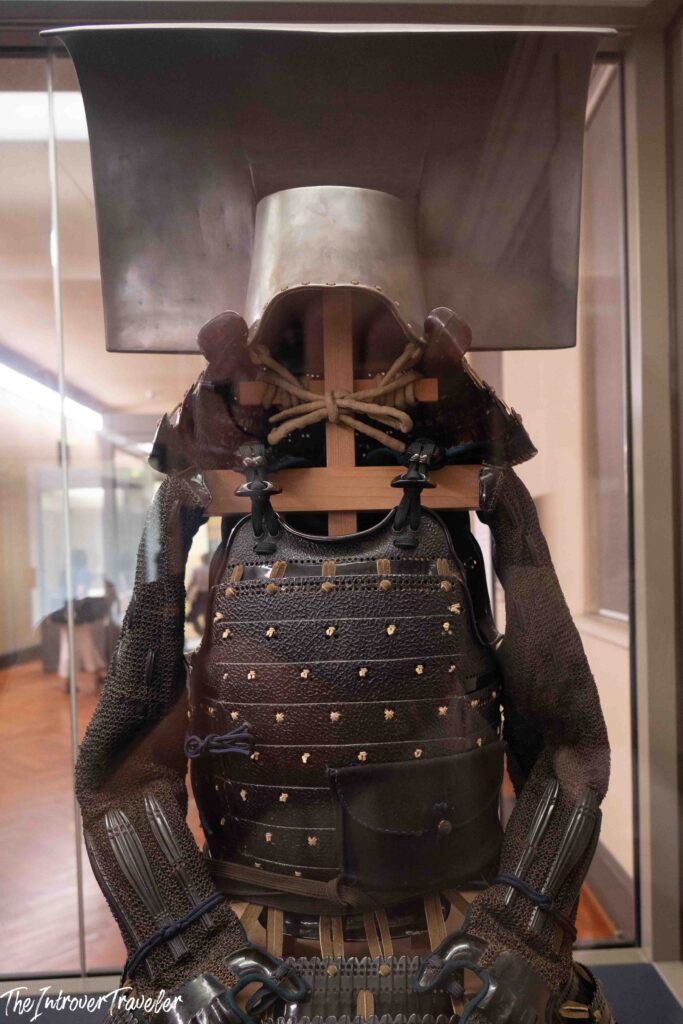
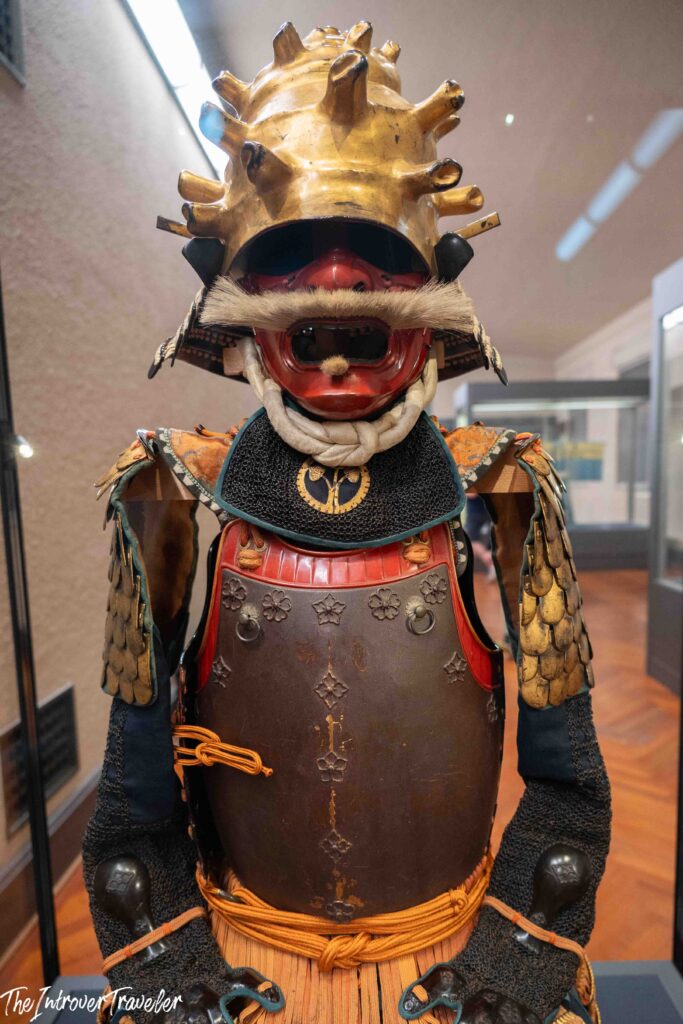
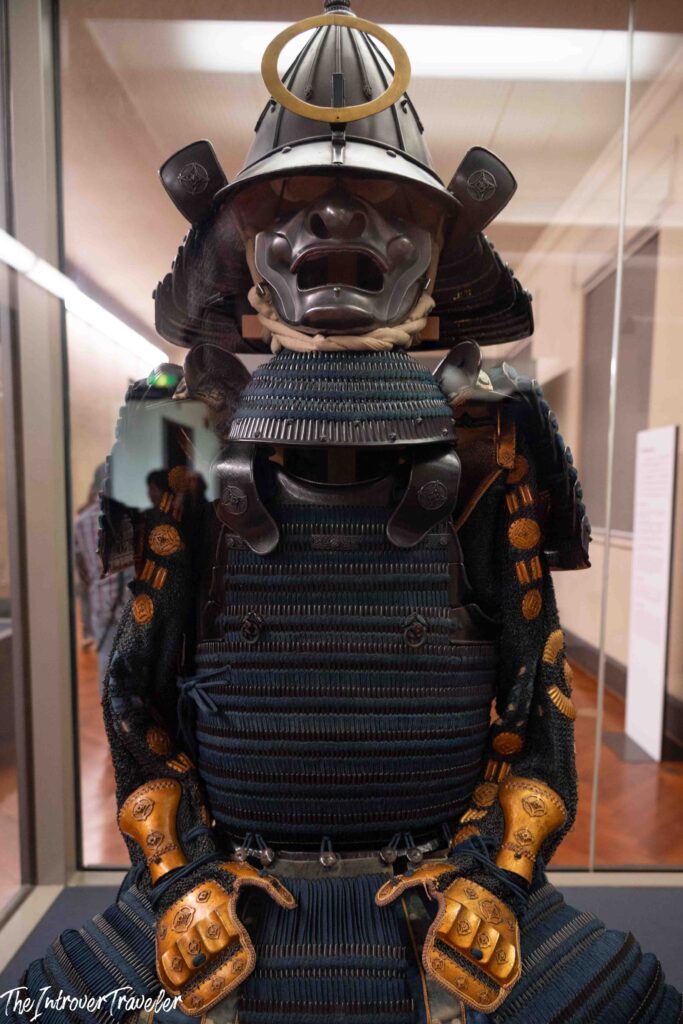
On samurai armor: there are few pieces and they’re splendid, but if you’ve already seen the weapons and armor collection at the Metropolitan in New York, or worse for Japanese pride, the Stibbert Museum in Florence, you’ll leave with a slight sense of letdown. The Stibbert holds about 95 complete suits of armor, 200 helmets, 285 blades and polearms, and 880 tsuba. Japan’s national museum shows a handful in rooms 15 and 16, beautiful ones. But few.
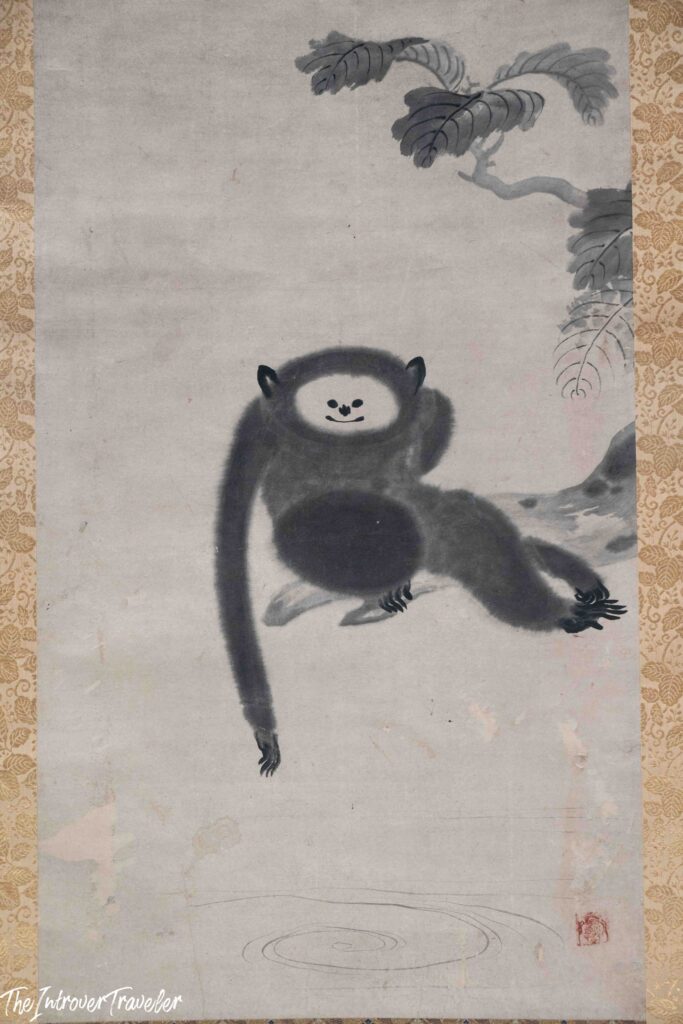
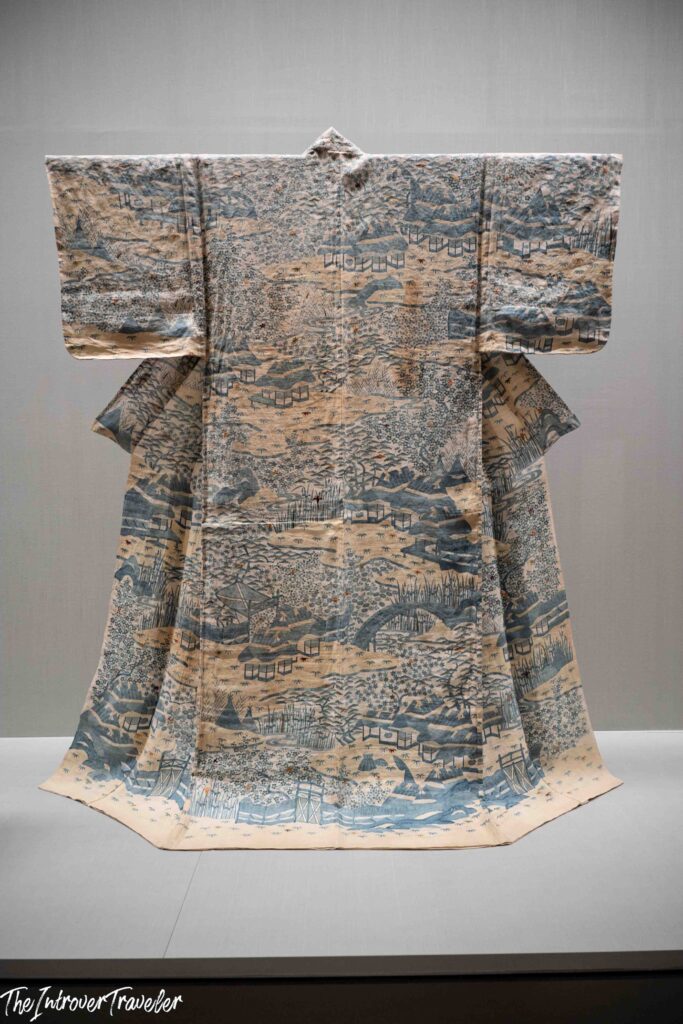
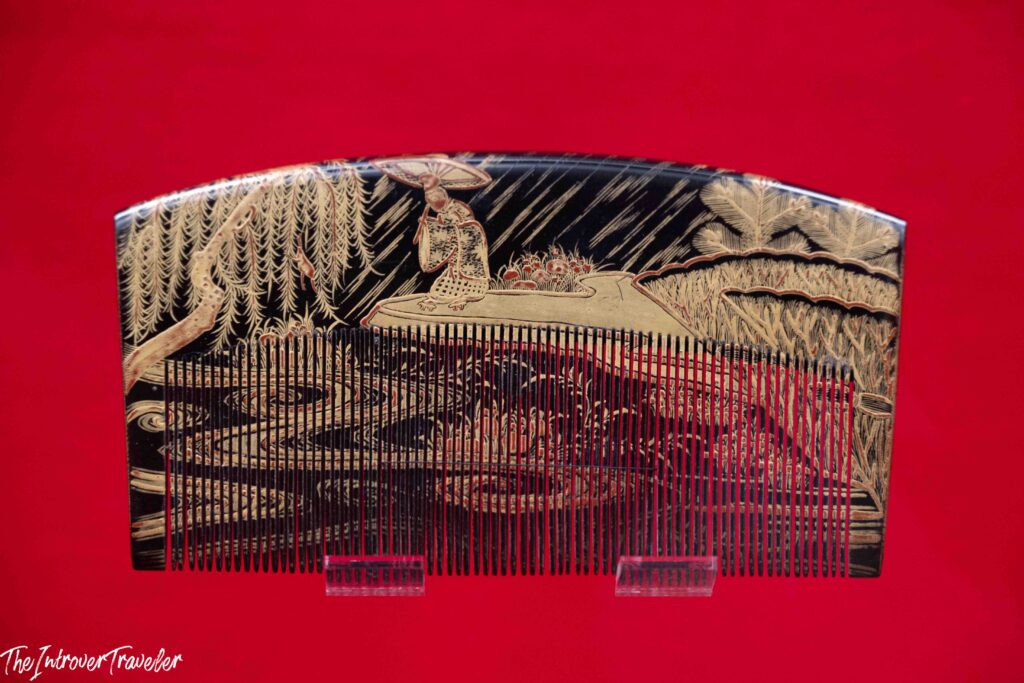
Rooms 11-1 and 11-2: ancient art (roughly 11,000 BCE to the 7th century) and the arrival of Buddhism (6th-8th centuries). Room 12: the National Treasure Gallery. One room, one National Treasure at a time, in rotation. I come back to this choice because it’s central to the whole story. Rooms 13-1, 13-2, 13-3: Buddhist arts, imperial court arts, Zen and ink painting (8th-16th centuries). Room 14: tea ceremony. Rooms 15 and 16: samurai weapons and armor (12th-19th centuries). Room 17: folding screens and sliding doors with paintings (16th-19th centuries). Rooms 18-1 and 18-2: decorative arts, painting and calligraphy (16th-19th centuries). Room 19: performing arts, meaning Nō, Kabuki, and Kyōgen masks and costumes. Room 20: fashion and ukiyo-e art (17th-19th centuries). Room N: netsuke, the Takamado Prince Collection. Room IL: imperial palanquins.
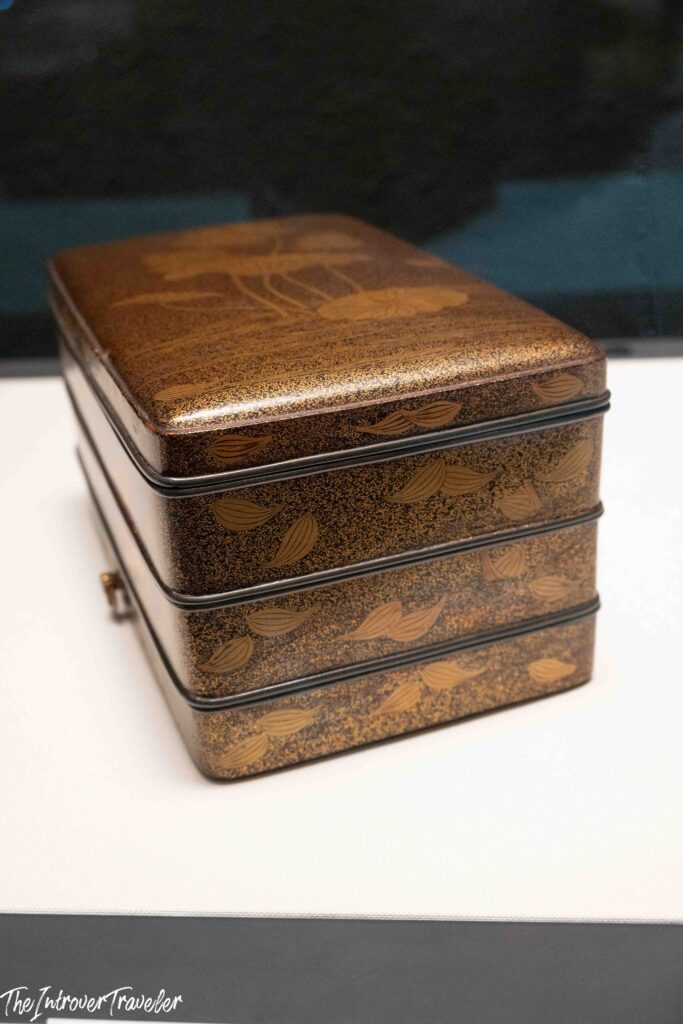
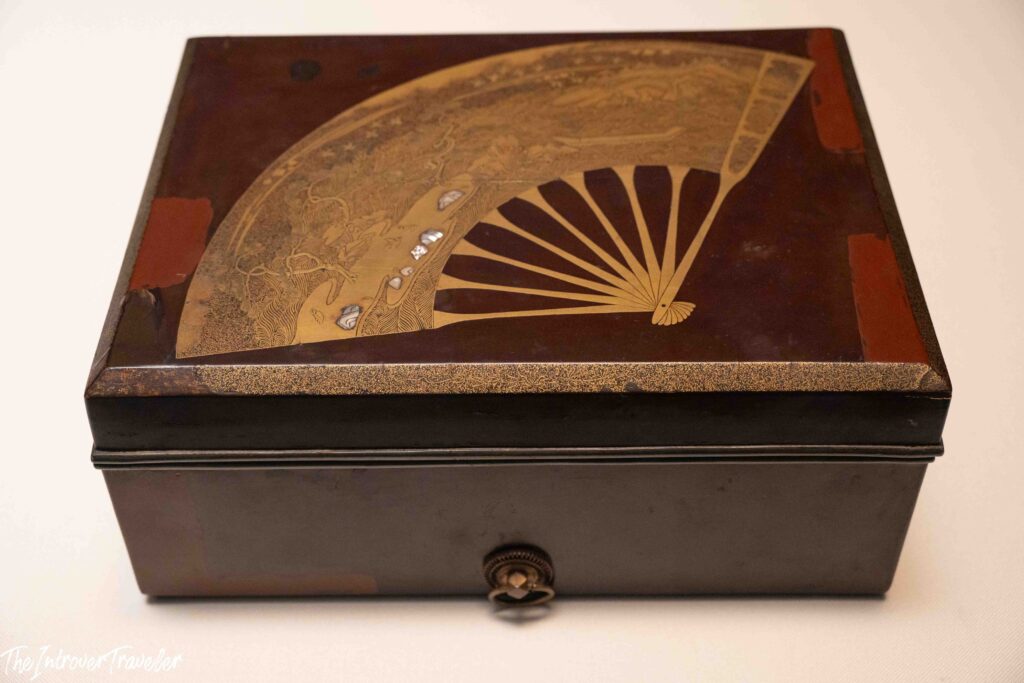
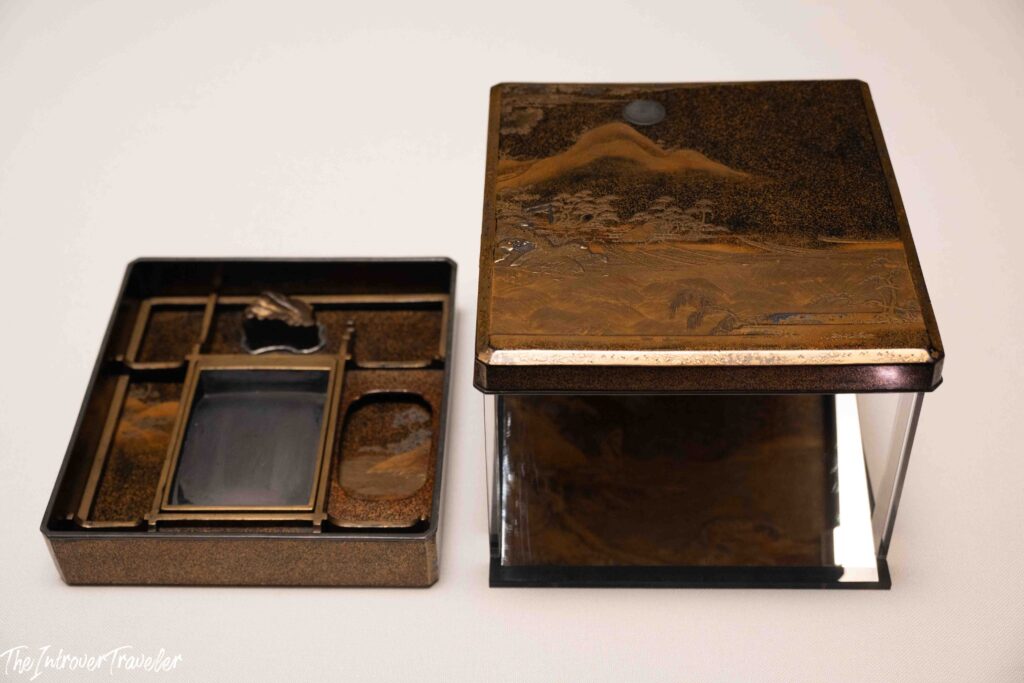
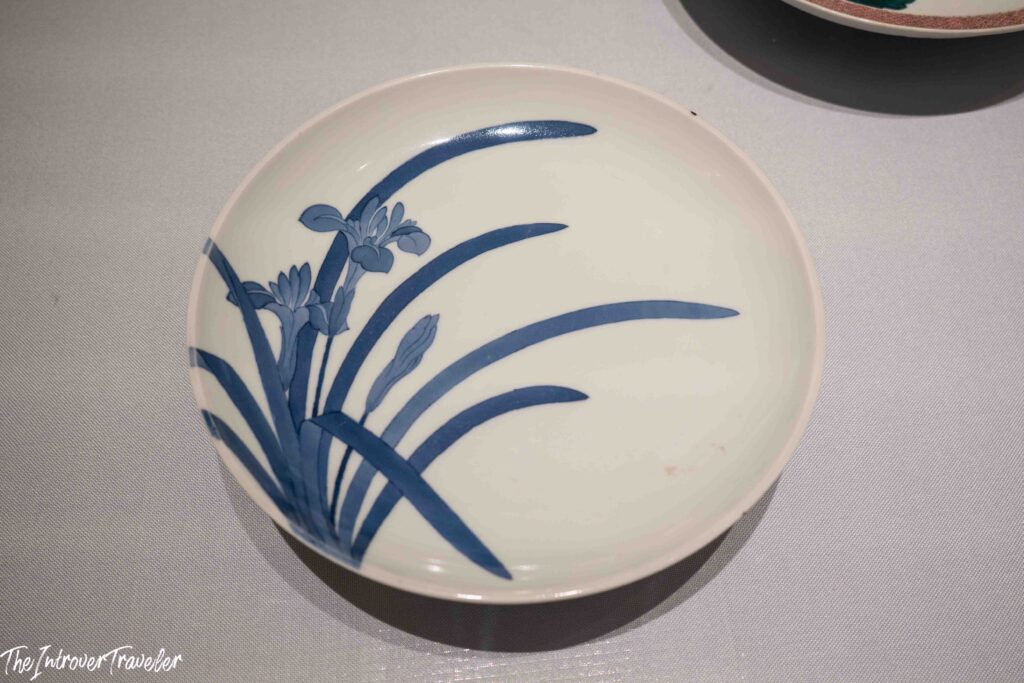
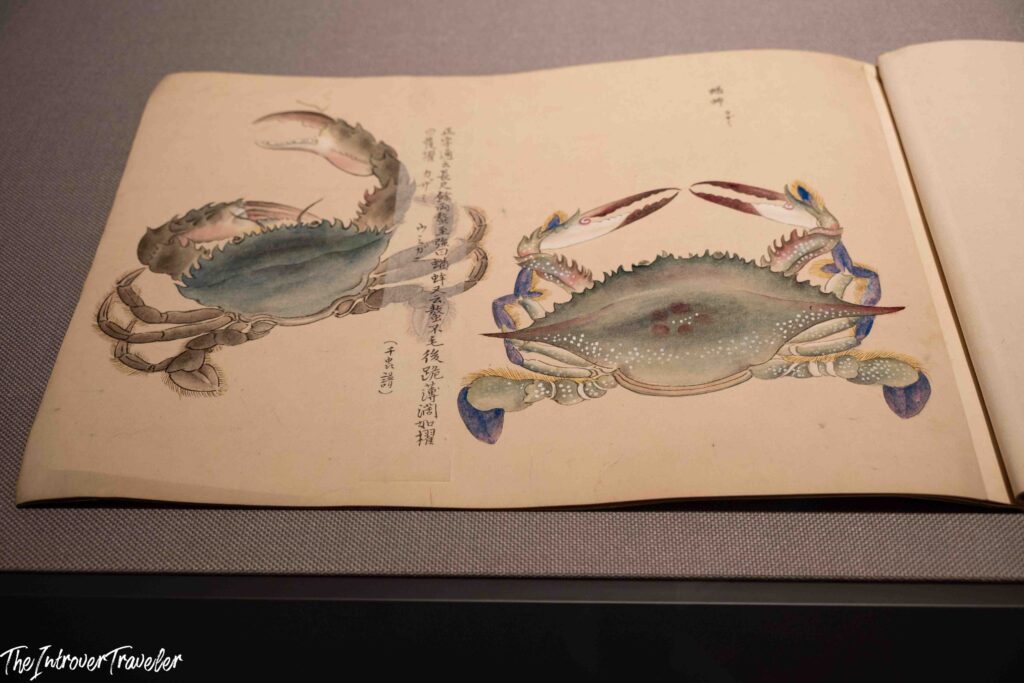
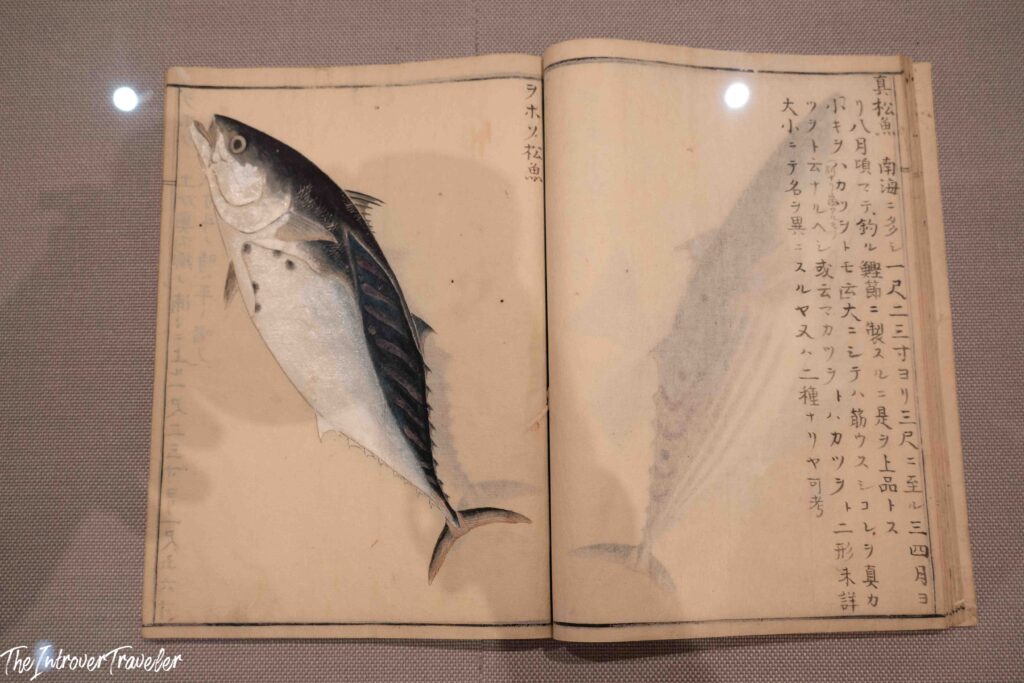
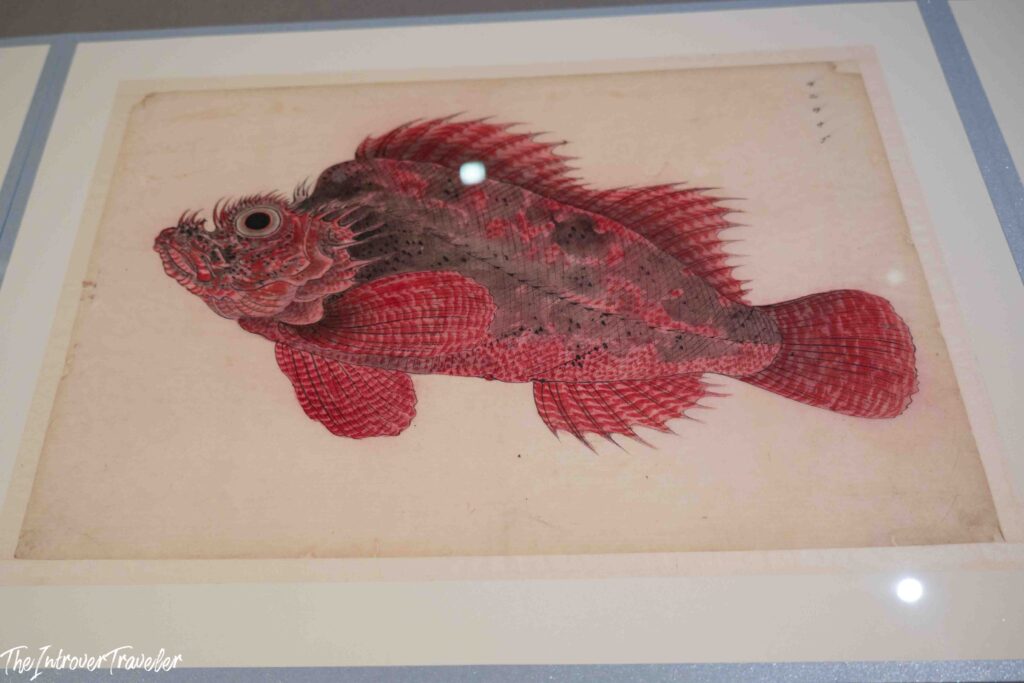
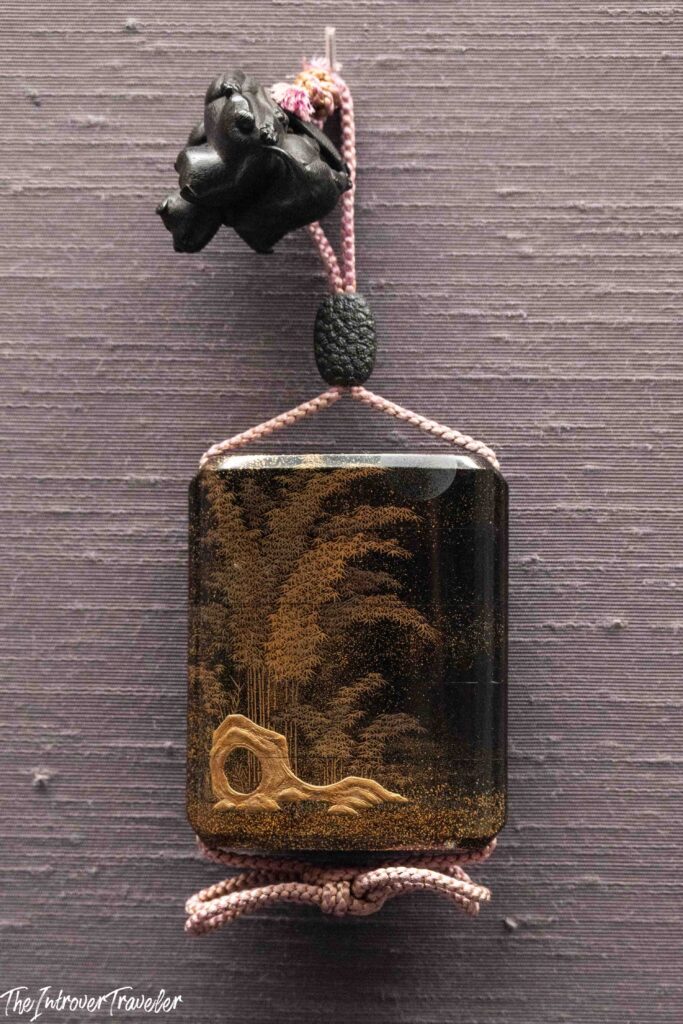
On netsuke, a note no guidebook will give you. Room N rotates the Takamado Prince Collection, which includes 500 pieces collected by Prince Takamado (1954-2002), predominantly contemporary and generally uninteresting. It’s not a collection of antique Edo-period netsuke; it’s a collection of modern netsuke. If you walk in expecting 18th-century ivory worn smooth by use, walk out disappointed. There are some antique netsuke displayed elsewhere in the museum, but nothing spectacular.
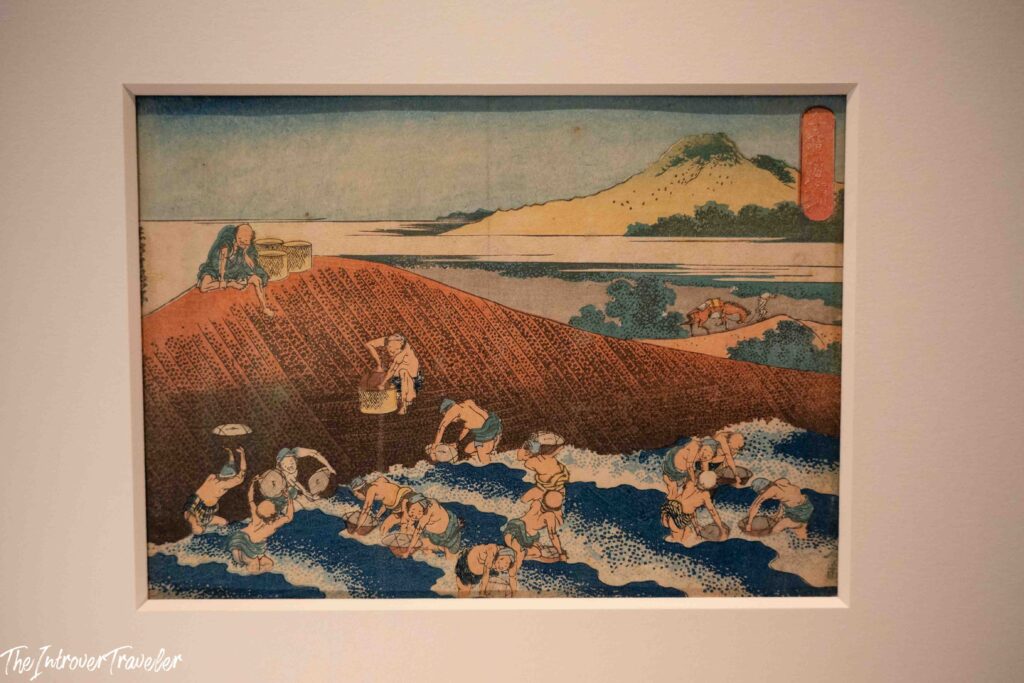
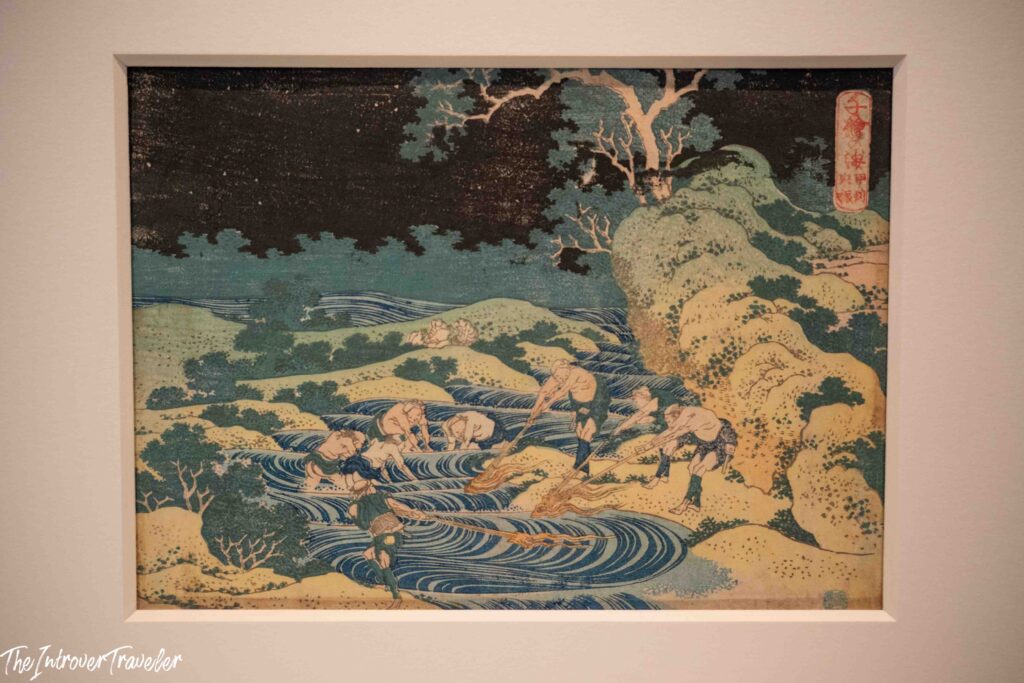
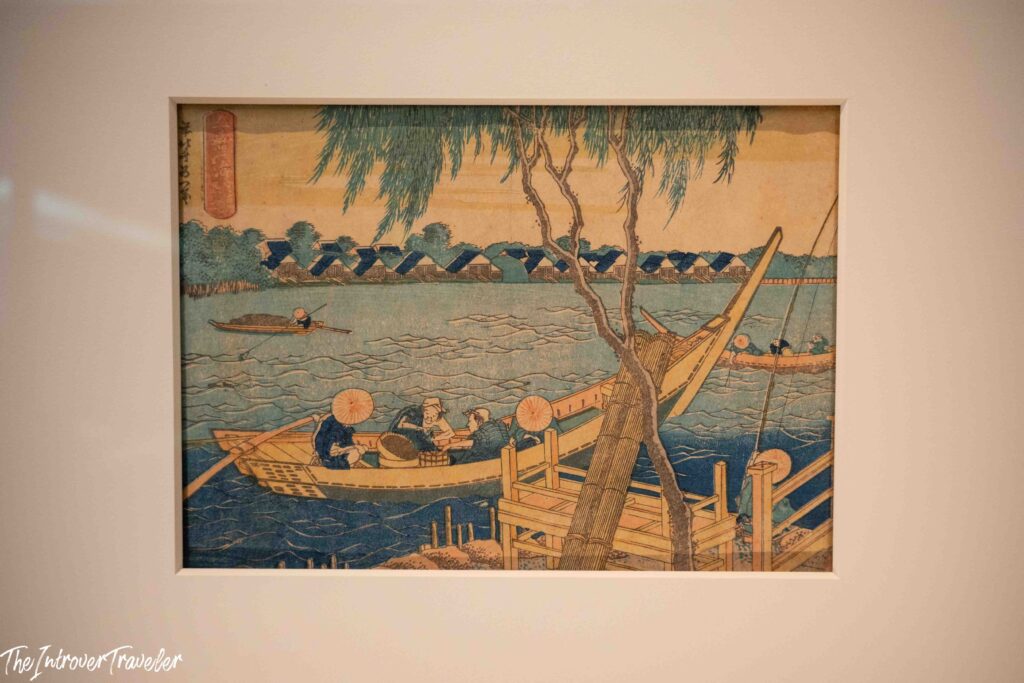
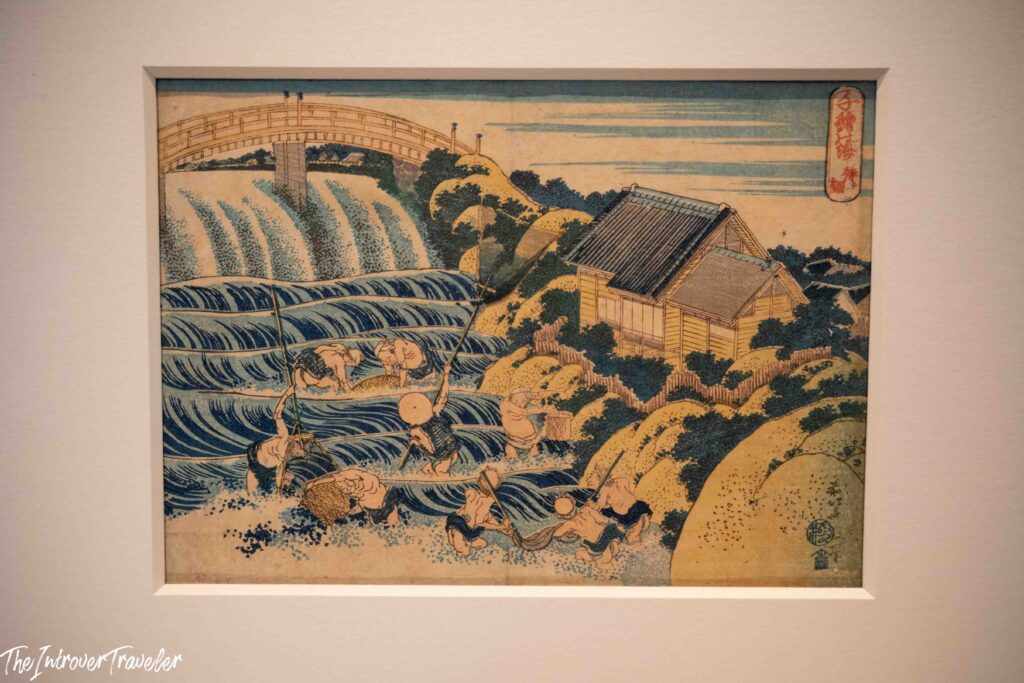
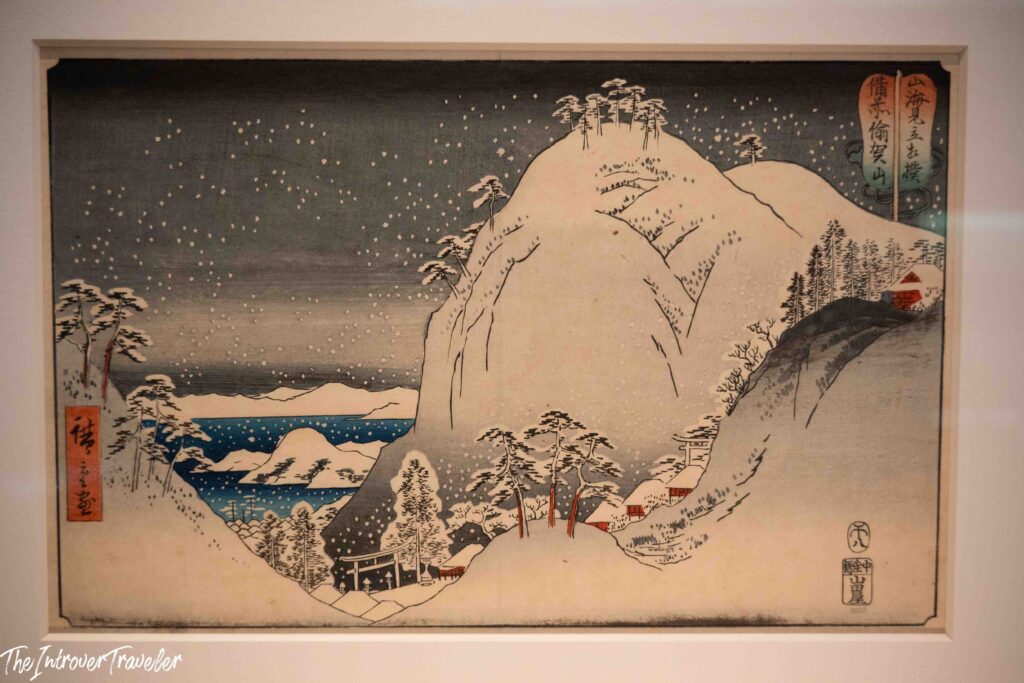
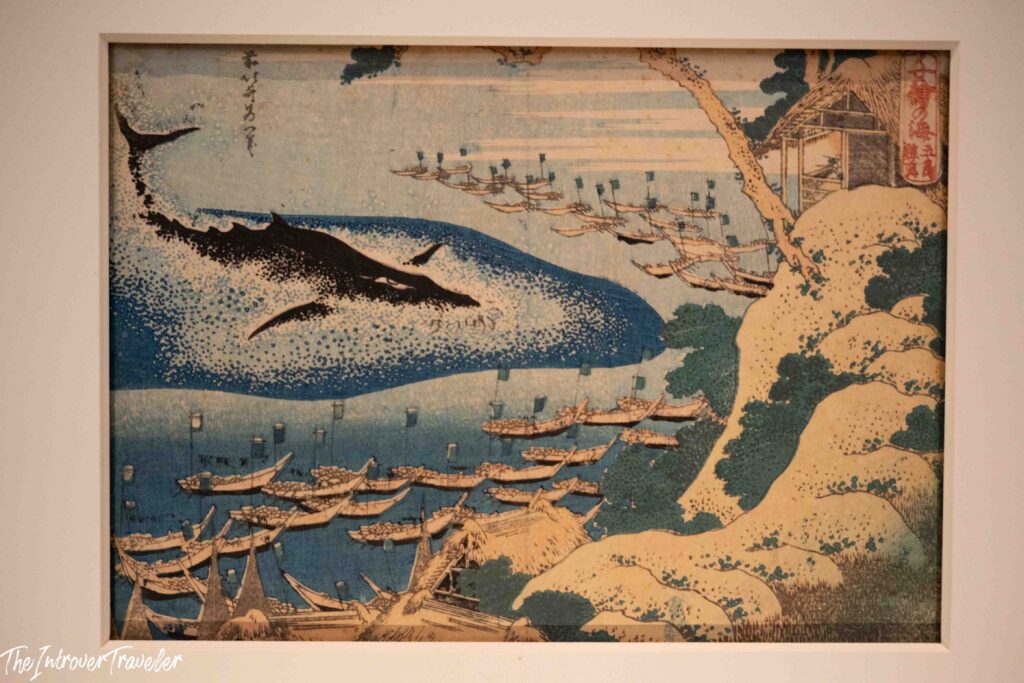
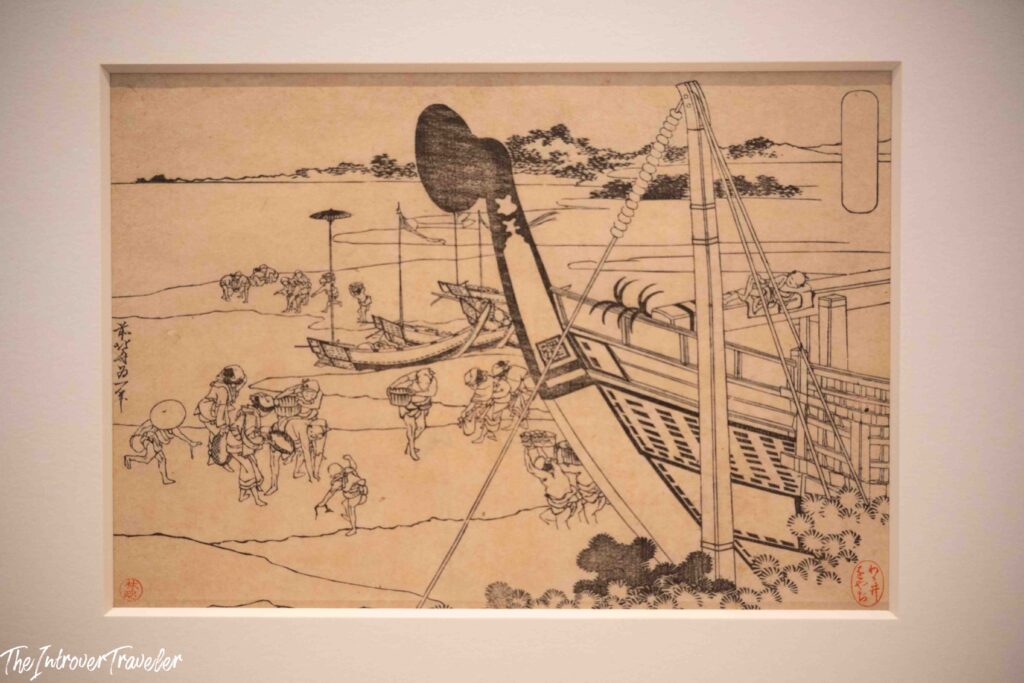
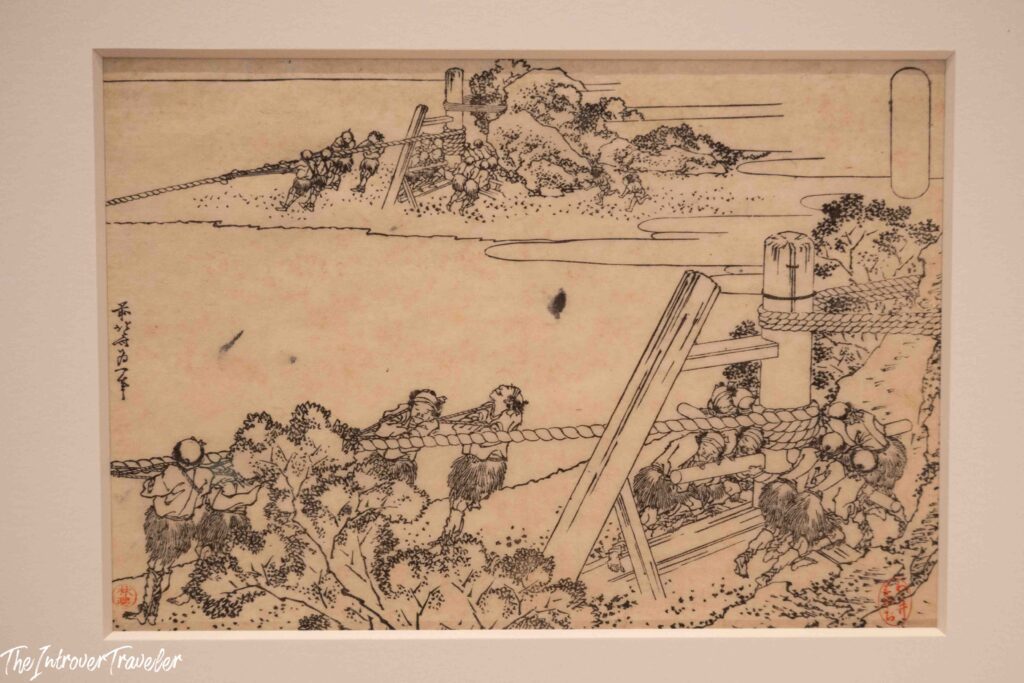
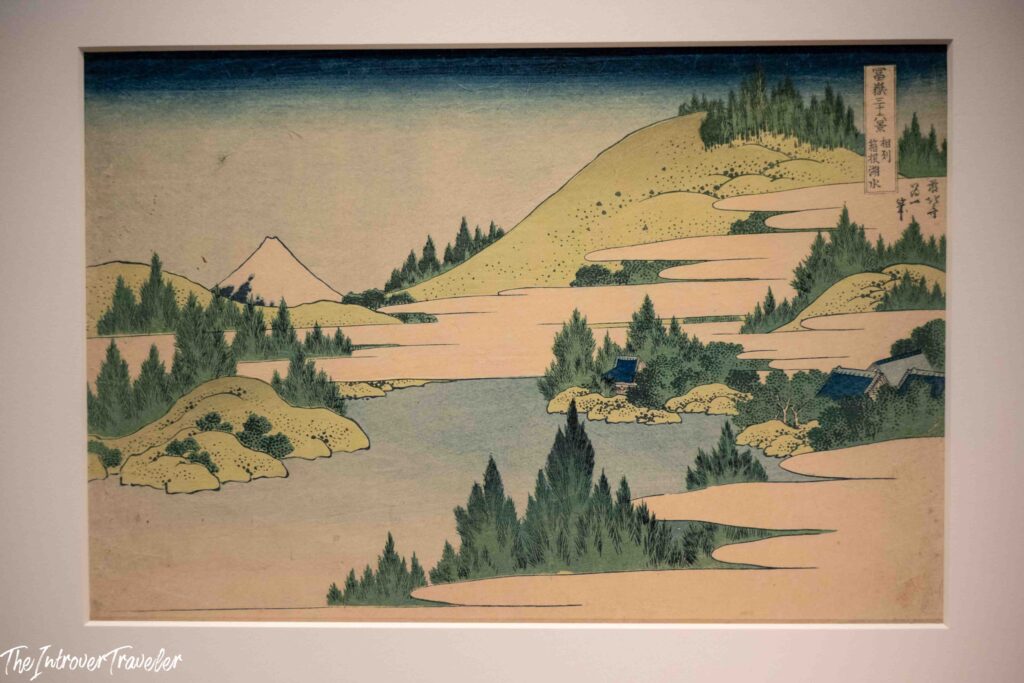
On ukiyo-e: in room 20 you’ll find a handful of prints. In my visit there were seven Hokusai, a couple of Hiroshige, a couple of Kuniyoshi, and not a single Utamaro. This is what throws the average visitor into crisis, and it’s also the smartest thing this museum does. We’ll get to that now.
It should be said that all the prints on display were of extremely high quality, including one of my absolute favorites (Hiroshige’s snowy landscape), and that beyond the quality itself there was the added interest of two prints in an intermediate state, still lacking their coloring.
The real reason the museum feels “without peaks”: the mathematics of display
Here’s the number you should tattoo on yourself before entering.
The museum holds over 120,000 works. It displays about 3,000 at any time. That’s 2.5 percent.
And there’s more. The museum strictly follows conservation rules: painting, calligraphy, textiles, and lacquerware are so sensitive to light that they must be rotated every 4-8 weeks. Woodblock prints rotate on even shorter cycles.
Translation: you don’t visit the Tokyo National Museum. You visit a random slice of the Tokyo National Museum, drawn by calendar rotation schedule, valid for four weeks and never repeated. The Pines (Shōrin-zu byōbu) by Hasegawa Tōhaku, a National Treasure since 1952 and perhaps the most famous painting held here, are in this building. But if you don’t hit the right window, you don’t see them, and nobody at the entrance tells you that you’re paying 1,000 yen not to see them.
The National Treasure Gallery, room 12, takes this logic to its logical extreme: one National Treasure at a time. Out of 90 it owns. It’s an admirable curatorial choice, monastic, very Japanese, and it produces exactly the effect I described at the start: excellent average quality, no peaks.
So is my 6 a judgment of the museum or my bad luck? Honestly: both. But if an institution builds a system where the probability a visitor sees its masterpieces is structurally low, that system is part of the judgment. The Prado doesn’t hide Las Meninas in rotation to protect it from light. True, oil on canvas is less fragile than paper and silk, and that’s a real difference, not a deflection. But the outcome for someone who bought an intercontinental plane ticket doesn’t change.
Why Japan’s greatest artworks are in Boston, not Ueno
This is the part Japan doesn’t like to talk about, and it’s also the most solid historical explanation for the feeling the museum leaves you with.
In 1868 the new Meiji government mandates separation between Shintoism and Buddhism. Between 1868 and 1875 a series of decrees seizes temples’ landed property and strips them of their traditional revenue sources. The haibutsu kishaku movement begins, literally “abolish Buddhism, destroy Shakyamuni”: statues melted down, temples razed, paintings burned or sold for kindling. The Japan that today sells itself as an obsessive guardian of tradition was actively demolishing its own artistic heritage for ideological reasons a hundred and fifty years ago.
The most famous case is right here in this museum. In 1876 the abbot of Hōryūji, Japan’s oldest temple, petitions to donate the temple’s treasures to the Imperial Household. The matter closes in 1878: 156 inventory entries, over 300 objects, in exchange for 10,000 yen paid by the Imperial Household Ministry, equivalent to about 200 million yen today. Japan’s holiest temple hawks its own 7th and 8th-century reliquaries to stay open. Here’s what you’re looking at when you enter the Hōryūji Treasures Gallery: not an act of national pride, a financial rescue.
Meanwhile, while Japan was selling, Americans were buying. Ernest Fenollosa, Edward Morse, and especially William Sturgis Bigelow swept through for years. Result: the Museum of Fine Arts in Boston now owns roughly 4,000 Japanese paintings and over 30,000 ukiyo-e prints, many donated by Bigelow, one of the world’s most extensive collections in its category. In Florence, Frederick Stibbert began buying Oriental arms around 1880 from the newly reopened market and assembled the 95 suits of armor mentioned above.
It’s not a conspiracy theory; it’s accounting. The feeling that “the best things are scattered around the world” isn’t the subjective impression of a jet-lagged tourist: it’s the documented consequence of fifteen years of Japanese cultural policy and a Western art market standing by with its wallet open.
Heiseikan: archaeology and a lesson in National Treasures
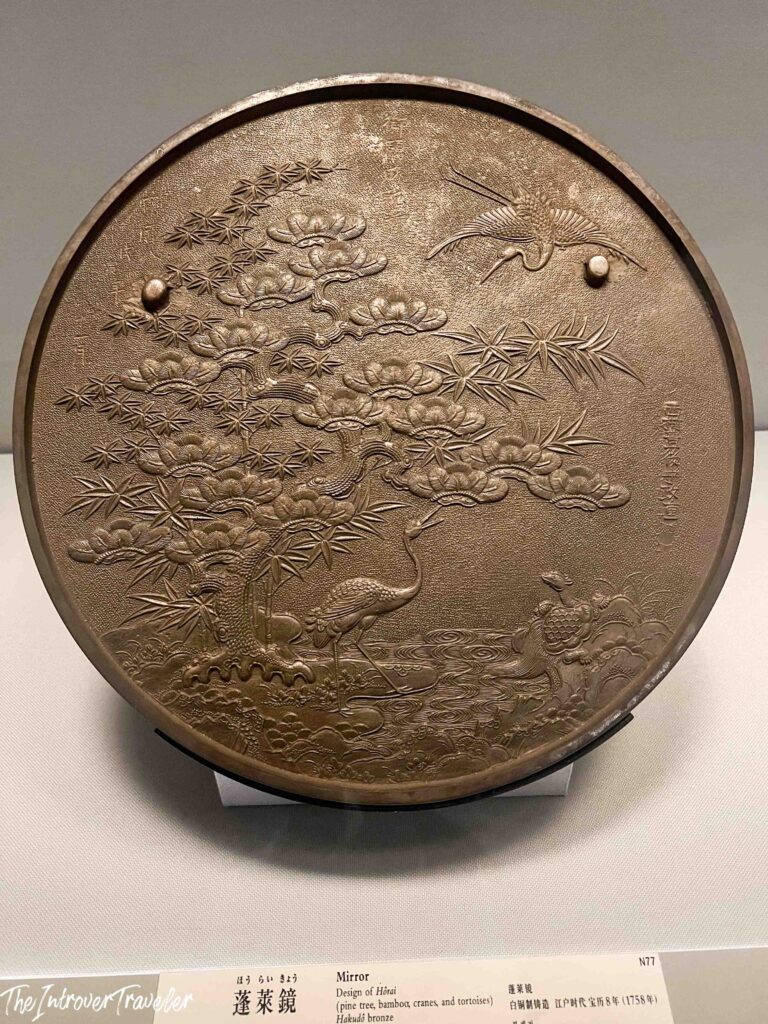
The Heiseikan’s ground floor houses Japanese archaeology. Obsidian arrowheads, Jōmon ceramics, haniwa, bronze mirrors. If Neolithic doesn’t excite you, thirty minutes is plenty.
Two things, though, deserve precision. Here you find the shakōki-dogū of Kamegaoka, the Jōmon figurine with enormous eyes that every Japanese schoolchild knows because it’s in their textbooks. It’s an Important Cultural Property, not a National Treasure. The five dogū designated as National Treasures are all in provincial museums. The national museum has Japan’s most famous dogū and doesn’t have any of the top five. If you want a metaphor for the entire visit, there it is.
But there is one true National Treasure: the Warrior in Keikō Armor haniwa, designated in 1974, the most celebrated terracotta sculpture of the Kofun period. That one, when it’s on display, deserves a stop. When I visited the museum it wasn’t on display, or I walked past it like a zombie dazed by jet lag and missed it.
Tōyōkan: the Asian wing, or the museum the museum doesn’t know it is
The Tōyōkan covers China, Korea, India, Gandhara, Southeast Asia, Western Asia, and Egypt. There are genuinely fine pieces, particularly Gandharan art, that zone straddling Pakistan and Afghanistan where Greek sculpture meets Buddhism and produces Buddhas with Hellenistic drapery and Apollo’s face. It’s gorgeous material and systematically undervalued by visitors, who by that point of the day have aching feet and want ramen.
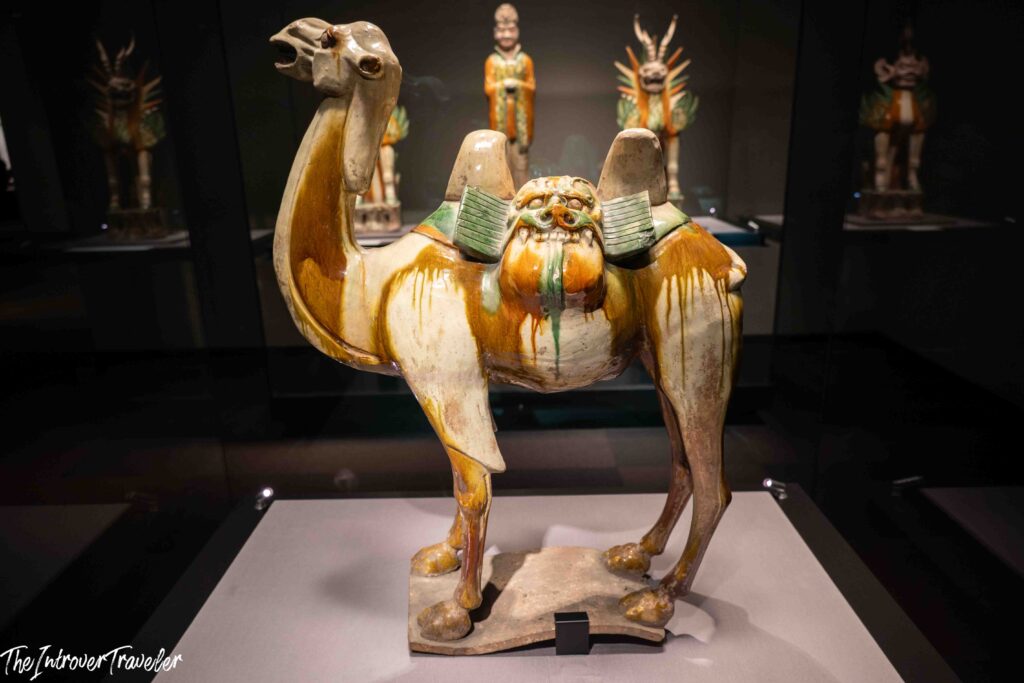
Here too, the general rule holds: no peaks, but solid upper-middle level. It’s an excellent second-tier Asian collection by world standards, which loses clearly in comparison to the British Museum or the Metropolitan. An hour, maybe an hour and a half.
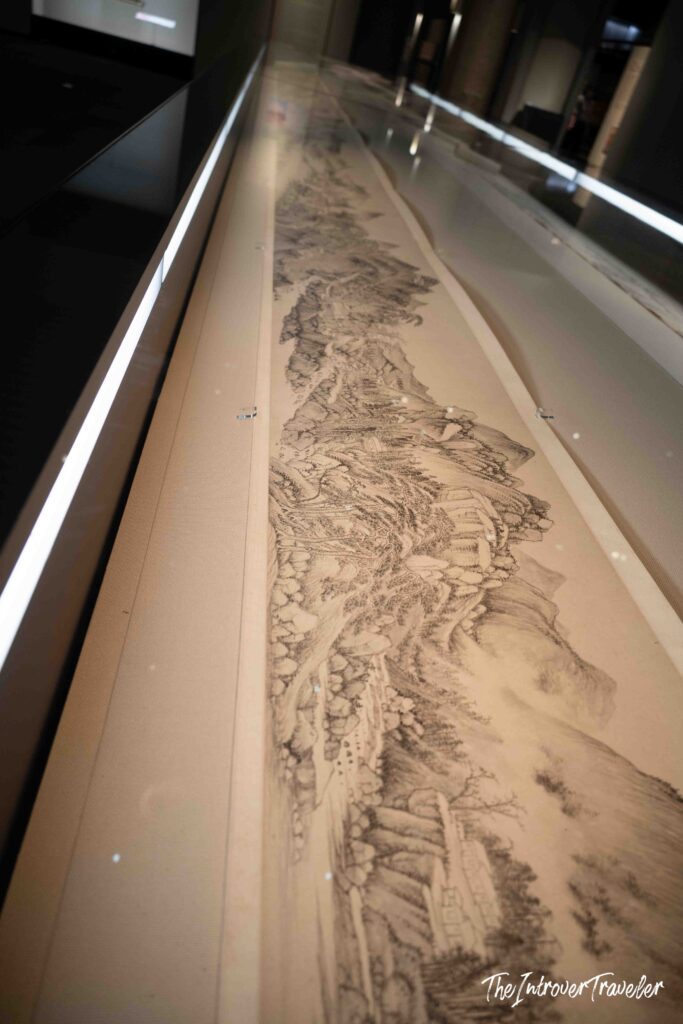
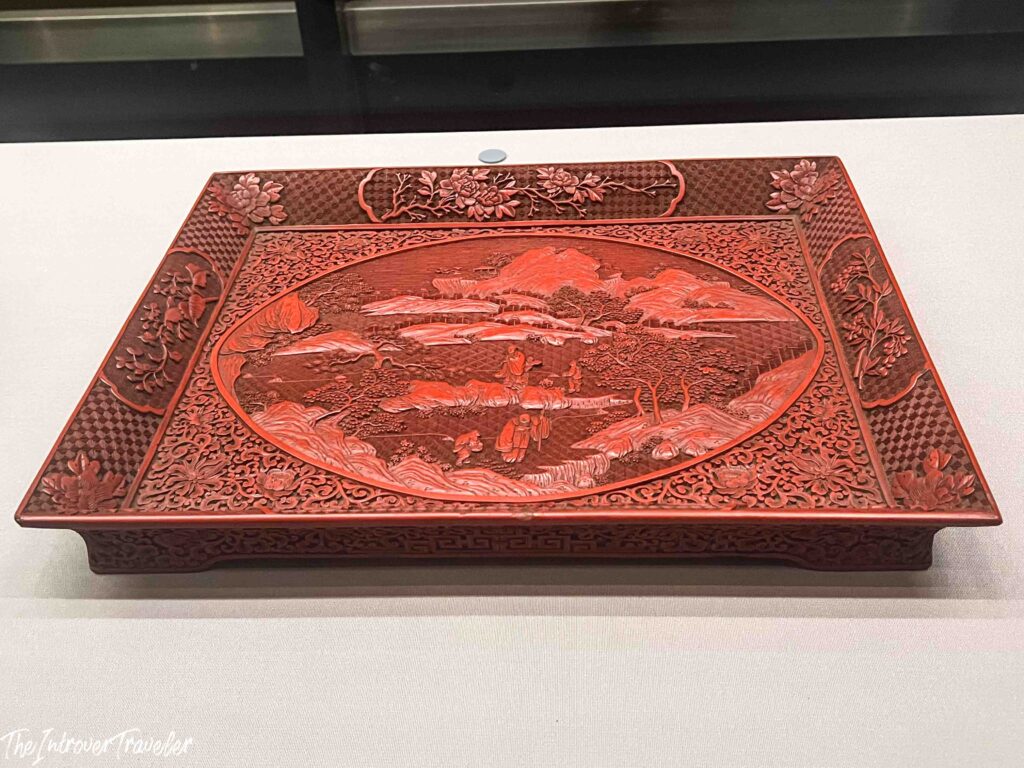
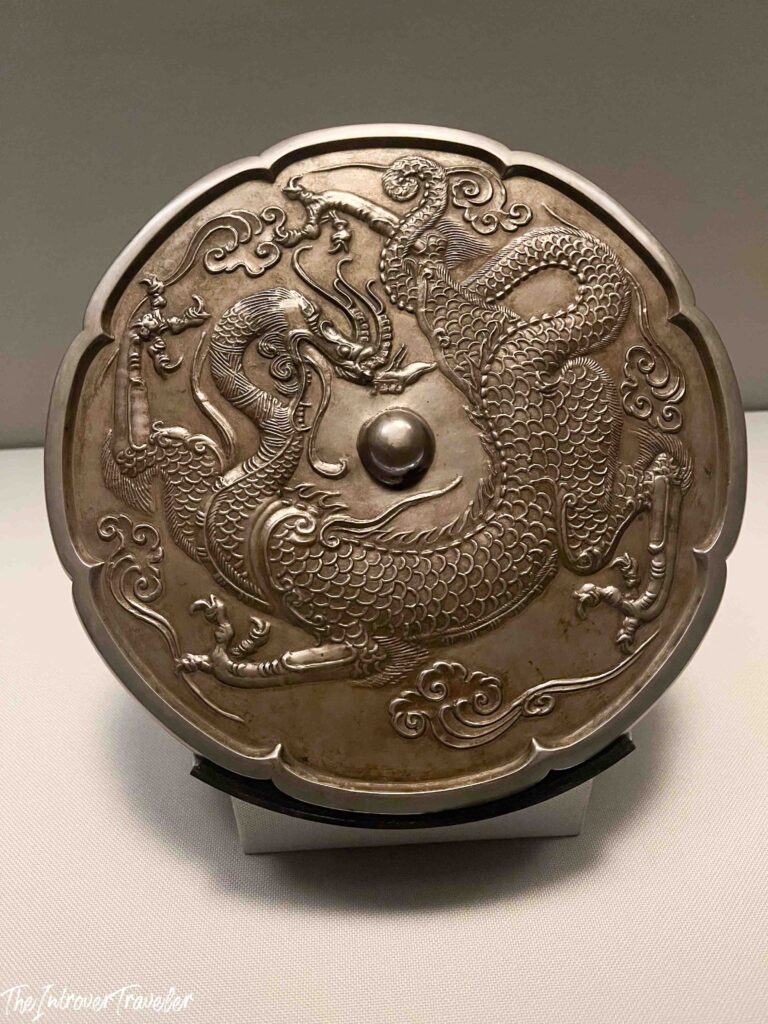
The Hōryūji Treasures Gallery
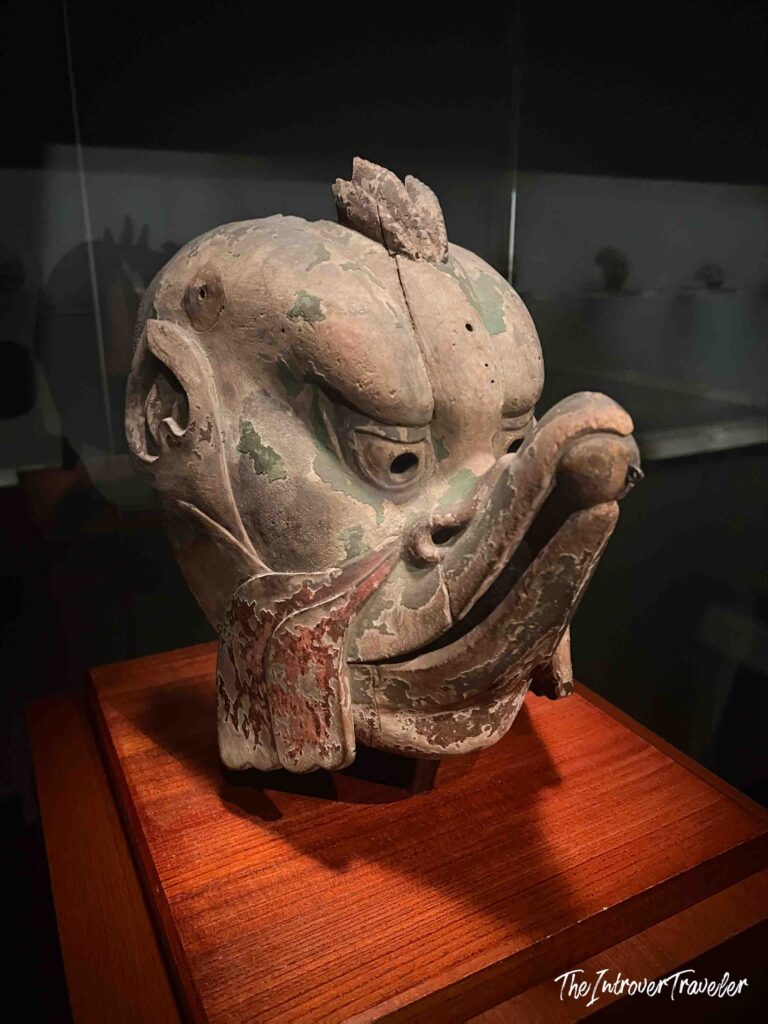
Takes twenty minutes to see and it’s natural to visit it at the end of your tour. Inside are over 300 objects from the 7th and 8th centuries. In particular the celebrated golden bronze Buddhist statuettes known as the “48 Buddhas” (actually, if you count them one by one, there are a few more: the name is traditional, not literal), ranging from twelve to fifty centimeters tall, likely intended for private worship among Asuka aristocracy, displayed in rows in dark cases lit like reliquaries. It’s the only moment of the day when the museum stops being educational and becomes an experience.
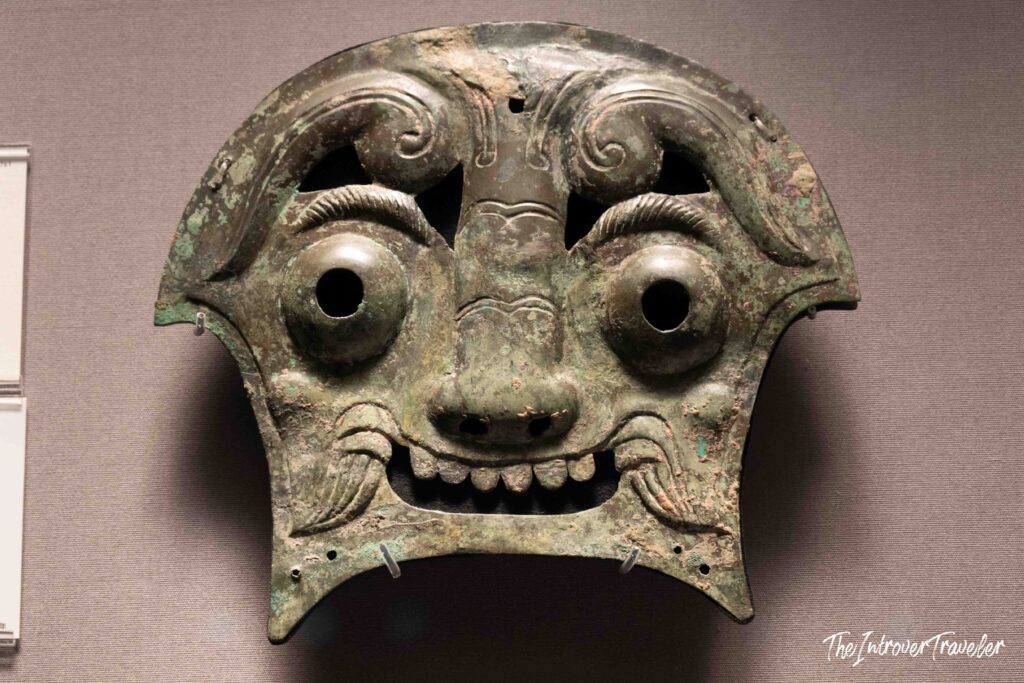
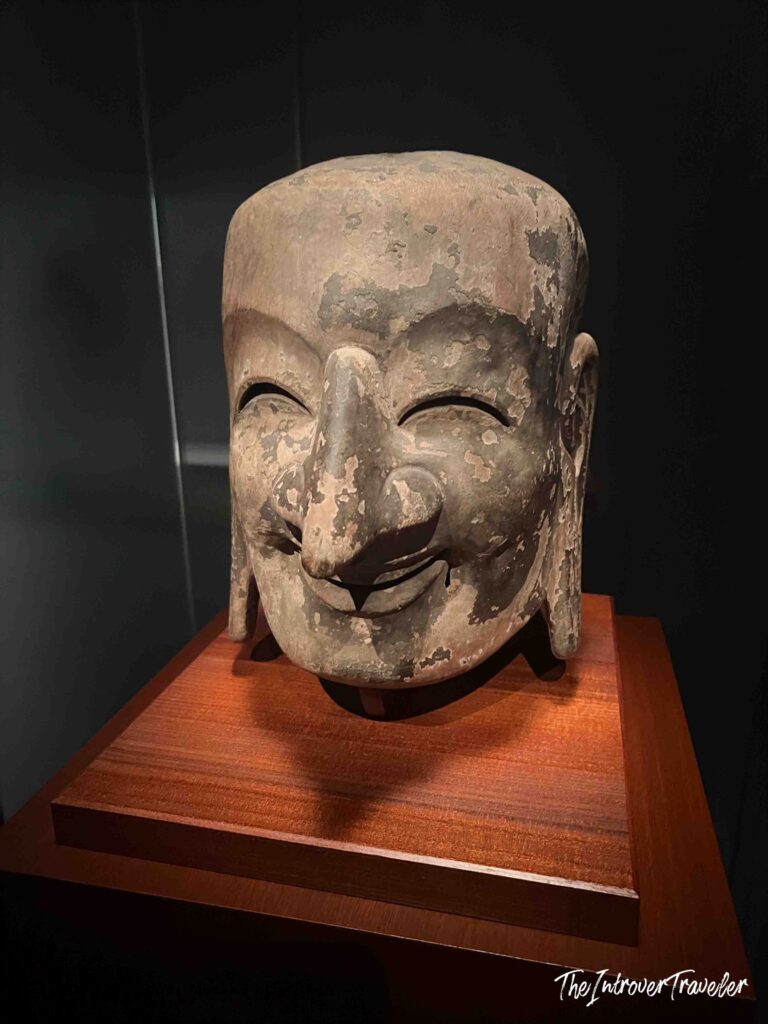
Then there are the 31 gigaku masks in wood and lacquer, evidence of a form of Buddhist theater now extinct. They’re displayed only on Fridays and Saturdays, for conservation reasons. Textiles rotate seasonally. I repeat what I wrote at the start because it’s the most concrete advice in this entire article: if you visit on Monday (closed), or Sunday, or Wednesday, you’ll see none of the masks. The ticket, obviously, won’t tell you.
How much time you really need, and the jet lag question
I spent more than five hours. But I visited the day I landed in Japan, in that semi-trance state where your brain works at half speed and your legs at a quarter, moving at the pace of someone trying not to fall asleep standing in front of a case of Yayoi ceramics; I actually fell asleep on a bench outside the Tōyōkan.
Three hours is enough. Four if you’re thorough. Five only if you’re as addled as I was, or an extremely serious art scholar.
And here’s the uncomfortable part, the one travel bloggers never write because it ruins their brand: visiting a major museum on arrival day is stupid. Not because you can’t physically manage it, but because your aesthetic judgment under those conditions is compromised. Exhaustion doesn’t diminish the quality of the works; it diminishes your capacity to receive them. How much did it weigh on my 6? A bit. Maybe half a point. Not two, because the math of rotations and the history of the diaspora of masterpieces remain true even when you’re rested. But a bit, yes, and I’m telling you because honest reviewing includes confessing your own limits.
Verdict: 6, and nobody’s changing my mind
The Tokyo National Museum is a museum for people who already know. If your eye is trained on calligraphy, if you can distinguish a Hiroshige from a Kuniyoshi from three meters away, if you know why a deformed raku bowl is worth more than perfect porcelain, you’ll spend four pleasant hours here and leave feeling you’ve seen some genuinely excellent things.
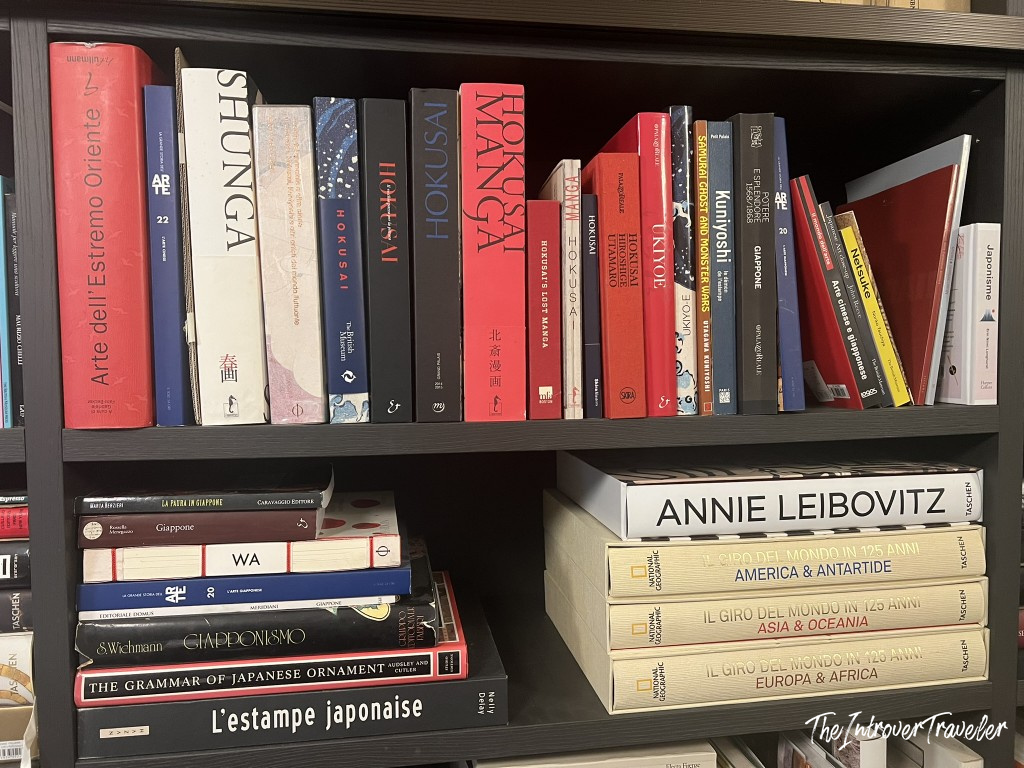
To give you an idea, listed below are the books I read, skimmed, or reread in the months before my visit to the museum; I mention this to say that I arrived with a fairly well-trained eye and expectations set sky-high, hoping to feast my eyes on the measured elegance of Japanese art, and yet I left the museum relatively disappointed, at least in the terms I’ve explained at length above.
If, on the other hand, you arrived in Tokyo thinking this is the Japanese Louvre, the place where art knocks you sideways, prepare yourself for a long walk through impeccable cases with excellent average quality and very few moments of vertigo. It’s not the curators’ fault; they do their job rigorously and with a third-world-country budget. It’s the combined effect of three factors: a conservative display policy that shows 2.5 percent of the collection, the 19th-century diaspora of masterpieces to Western museums, and an exhibition model that prefers education to spectacle.
My mistake was thinking it unforgivable not to have seen it. Your mistake would be thinking it unmissable.
Go. But go on the third day, on a Friday, after you’ve slept, and knowing you’re visiting a rotating selection, not a treasure. If you’re waiting for a masterpiece that will change your life, that one, through one of history’s cruelest ironies, probably awaits you in Boston.
A curios detail
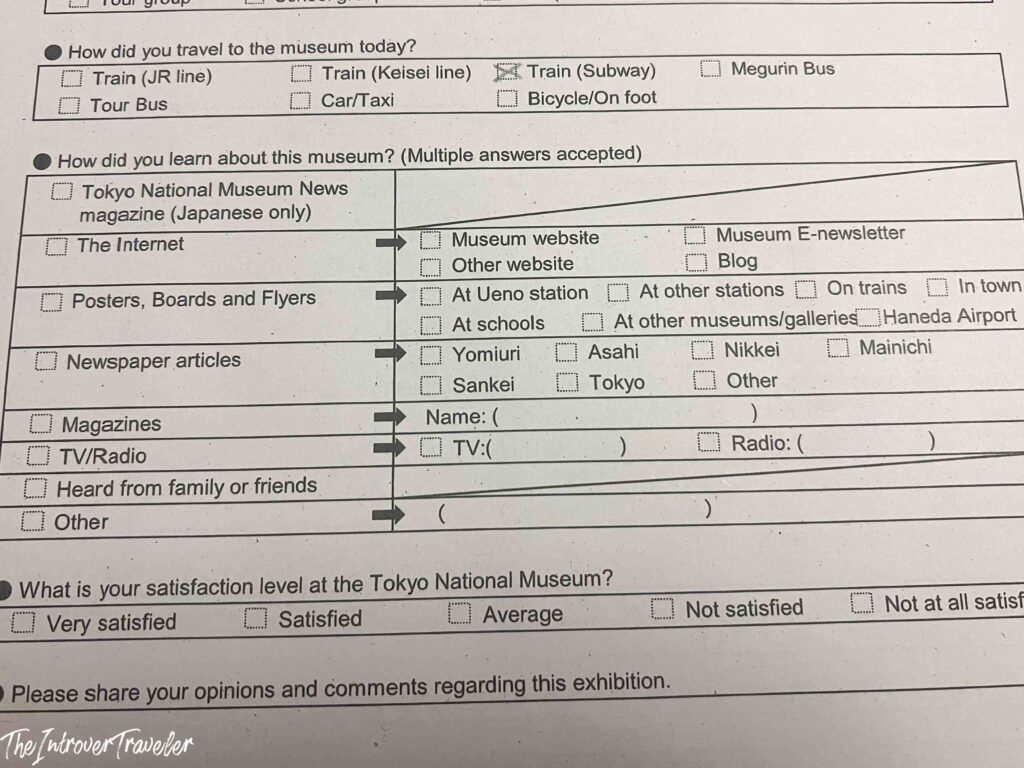
During my visit, while slumped on a small sofa trying to negotiate another 30 minutes of battery life with my jet lag, I was approached by a museum staff member who handed me a satisfaction questionnaire; inside it there was a section titled “How did you learn about the Tokyo National Museum”; among the proposed sources were: Fox News, Playboy, Sports Illustrated, The Simpsons, a fortune cookie in Chinatown, a séance with a medium, the dark web, Abba song lyrics, Dan Bilzerian’s YouTube channel, Ariana Grande’s Instagram page, a Super Bowl halftime commercial, Facebook, Substack, TikTok, PornHub, the back of an Alabama state voter registration card, the inscription on a one-dollar bill. The only thing missing from the list of information sources was… a book! I don’t know how to interpret this, whether it’s simply an oversight, or whether the questionnaire’s authors deemed it impossible that anyone visiting the Tokyo National Museum could have read a book on Japanese art.
Frequently asked questions
How much time does it take to visit the Tokyo National Museum? Three hours for a complete, careful visit; four if you read everything. Five only if you have jet lag or are a serious art scholar.
What’s the ticket price? 1,000 yen for permanent collections, 500 for university students, free under 18 and over 70. Temporary exhibitions are priced separately, but their ticket includes permanent collection access on the same day.
When is it closed? Mondays (except when Monday is a national holiday, in which case it closes the following day) and late-year closure. Always check the official calendar: individual galleries close on rotation for maintenance.
Is it worth it compared to other Ueno museums? If you have one day and general interests, the National Museum of Nature and Science or the National Museum of Western Art (Le Corbusier building, UNESCO World Heritage) offer higher emotional return per hour spent. The Tokyo National Museum rewards those who already have a foundation.
Can you take photographs? Yes in permanent galleries, without flash, tripods, or selfie sticks. No in temporary exhibitions or of the finest works.
Is there a restaurant inside te museum? Inside the museum there’s a modest snack bar with about a hundred seats, where bento, mochi, and other typical Japanese food items are served, of fairly high quality for a museum average; I’d suggest not going too late, since items tend to sell out.